

- Why Backlinks Still Matter in 2026
- What Makes a Backlink Valuable
- Build a Backlink Strategy Before You Start Outreach
- How to Get Backlinks With Quick Wins and Outreach
- How to Get Backlinks With Content People Want to Cite
- How to Get Backlinks With Digital PR and Expert Contributions
- How to Get Backlinks Through Relationships and Brand Authority
- Free Ways to Support Your Backlink Strategy
- Backlink Mistakes to Avoid
- How to Measure Backlink Results and AI Visibility
- FAQ About How to Get Backlinks
- How 1Byte Supports SEO Ready Websites With Cloud Computing and Web Hosting
- Final Thoughts on How to Get Backlinks
At 1Byte, we think how to get backlinks in 2026 starts with a mindset change: we stop treating links like collectibles and start treating them like proof. Search engines still rely on the web’s link graph to understand relevance, while buyers and AI systems increasingly judge whether a page is credible enough to quote, reference, and recommend. If a page is not useful after the click, even clever outreach will eventually run out of road.
Search remains a huge commercial channel, with global search advertising forecast to reach US$355.10bn in 2025, which is one reason organic visibility still deserves serious budget attention.
At the same time, Gartner expects traditional search engine volume to drop 25% by 2026, so the smartest backlink strategies now support both classic rankings and AI-mediated discovery.
Why Backlinks Still Matter in 2026
We do not see backlinks as a relic from old-school SEO. From our perspective, they still act as third-party trust signals that help search engines, publishers, and potential customers decide whether your brand deserves attention. In a noisier web, outside validation matters even more.
1. How Backlinks Build Rankings Domain Authority and Referral Traffic
One strong backlink can do three jobs at once. It can reinforce the relevance of the page being cited, raise the authority metrics marketers use to benchmark competition, and send referral visitors who already trust the source that mentioned you. Better still, a good link often lives on a page that keeps attracting readers for months, so its value is not limited to the week you earned it.
2. How Mentions Co Citations and Context Influence AI Visibility
Links are not the whole story anymore, but they remain part of the story. When your brand keeps appearing beside the same topics, entities, and expert sources, the web builds a clearer identity around you. That context helps answer engines understand what you are known for, which is why mentions, co-citations, and editorial proximity now work alongside backlinks rather than replacing them.
3. Why Quality Backlinks Beat Sheer Volume
Volume looks good in a spreadsheet, yet it often hides weak judgment. We would rather earn a handful of citations from trusted, relevant pages than collect a pile of low-context links from sites nobody reads. In business terms, quality links age better, protect brand credibility, and usually correlate with the kind of referral traffic that can actually convert.
What Makes a Backlink Valuable
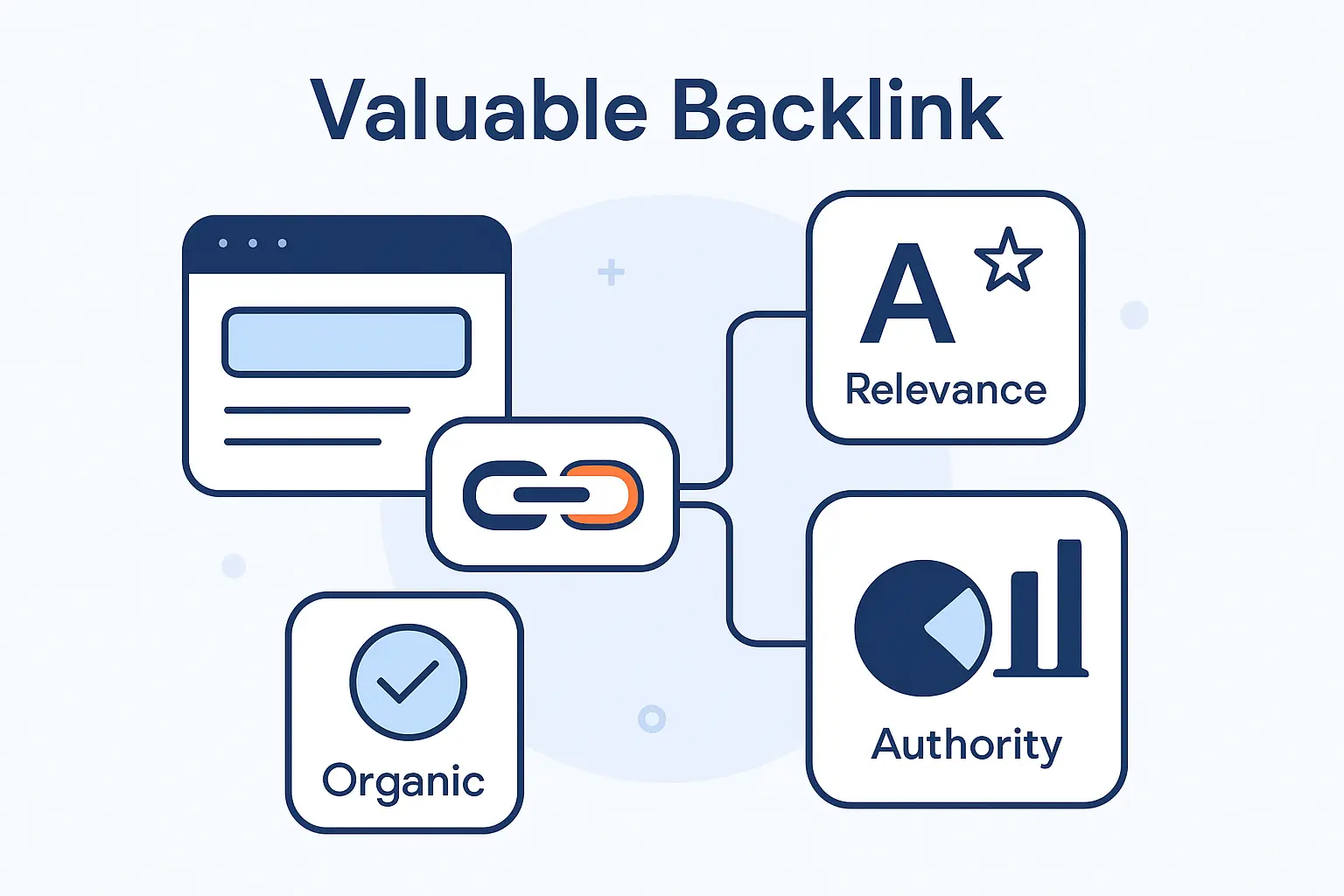
Before we send outreach, we need a scoring system. In our playbook, a valuable backlink is editorially earned, topically relevant, durable, technically accessible, and capable of sending the right visitor. If one of those pieces is missing, the link may still look nice, but it rarely carries its full weight.
1. Authority Trust and Real Editorial Standards
Authority is not only a number from a third-party tool. We look for signs of real trust: named authors, clear company information, consistent publishing, human review, and an audience that overlaps with the people a business wants to reach. A site built mainly to sell placements may show inflated metrics, but its editorial judgment is usually thin, and readers can smell that a mile away.
2. Topical Relevance Natural Anchor Text and Contextual Placement
Relevance sharpens every signal a backlink sends. The surrounding paragraph, the anchor text, and the section where the link appears all help explain why the citation belongs there. Our rule is simple: if the mention feels natural to a human editor and genuinely helps the reader continue the journey, the backlink is usually doing real work instead of cosmetic work.
3. Unique Placements Persistence and Crawlable Formats
Unique editorial placements beat sitewide clutter, and persistence matters far more than short-lived bursts. On the technical side, Generally, Google can only crawl your link if it is an HTML <a> element with an href attribute, so links hidden in odd scripts, widget code, or inaccessible app behavior are a shaky foundation for long-term SEO.
Build a Backlink Strategy Before You Start Outreach
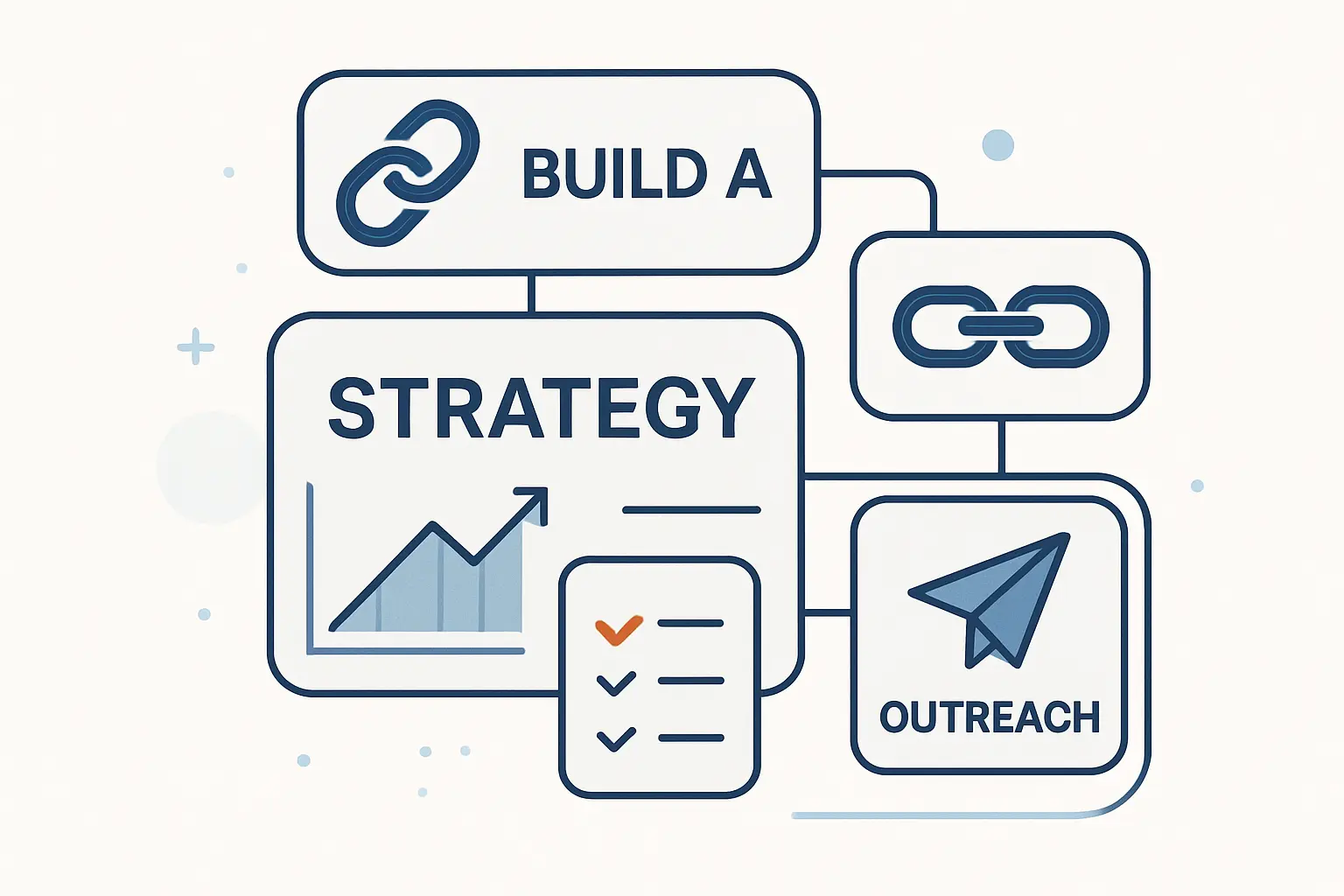
Good link building begins with diagnosis, not volume. When we review a site carefully, we usually find that the fastest gains are already hiding in old assets, broken URLs, forgotten resource pages, or mentions that never received a proper link. Outreach works better when the groundwork is already solid.
1. Audit Existing Backlinks Broken Pages and Link Reclamation Opportunities
Start with what you already own. We audit current referring domains, top-linked pages, redirects, and any URLs that now return errors or weak replacements. Very often, the quickest win is reclaiming equity you earned months ago by fixing a dead page, restoring a removed resource, or asking a publisher to link the right live URL instead of an outdated one.
2. Study Competitor Backlink Gaps Broken Pages and Citation Gaps
Competitor research should feel less like envy and more like reconnaissance. Which pages keep earning them links: guides, glossaries, tools, studies, integrations, or trend reports? Where do they have broken assets that other sites still reference? A good gap analysis reveals not only who is linking in your space, but what formats the market already considers worth citing.
3. Prioritize Topics Keywords and Assets People Already Cite
Only after the audit do we choose what to build or promote. We favor themes where people are already citing statistics, explainers, comparison pages, calculators, definitions, or frameworks, because those patterns show proven link demand. The sweet spot is a topic with search interest, commercial relevance, and enough room for your brand to publish something more useful than the current crowd.
How to Get Backlinks With Quick Wins and Outreach
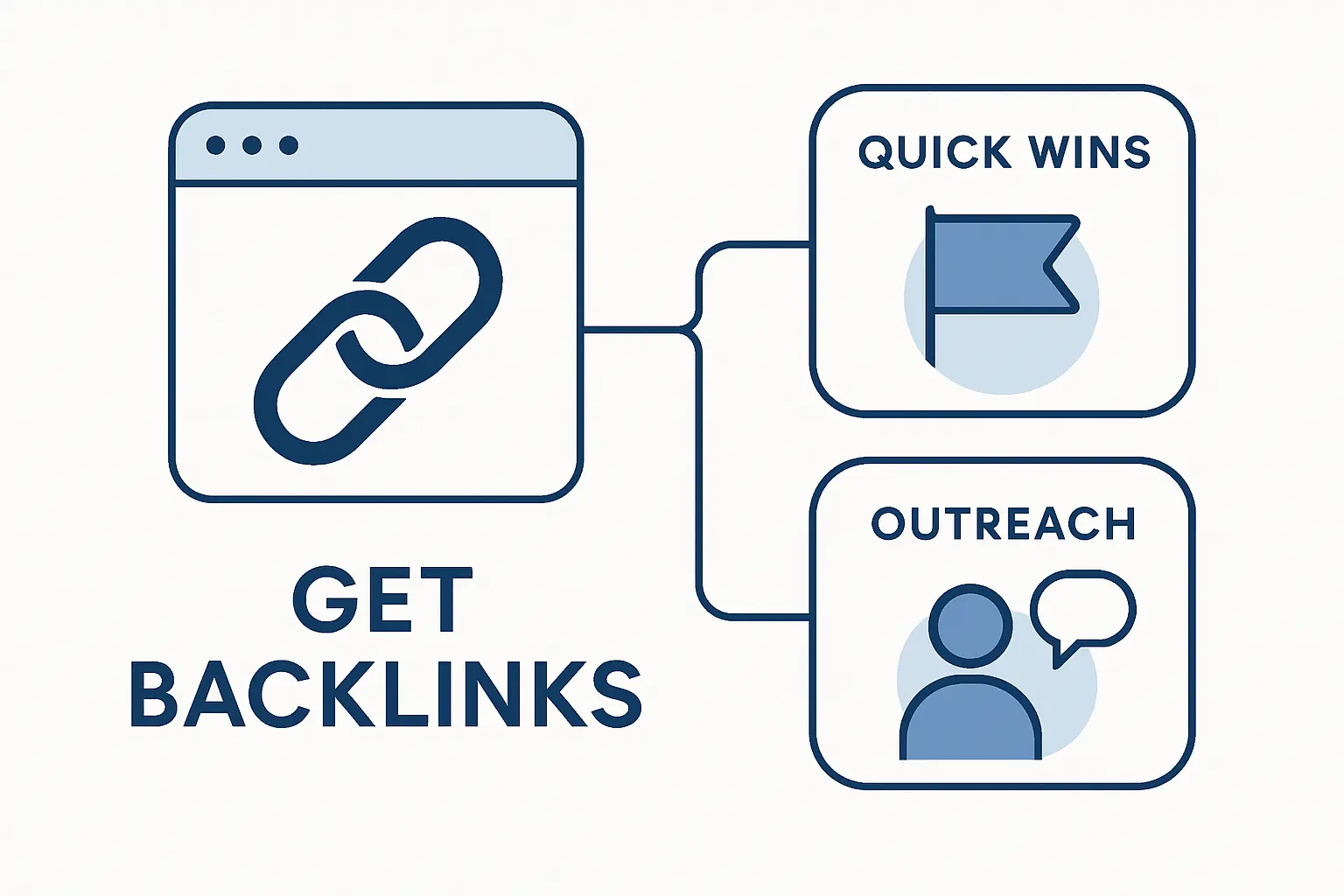
Once the foundation is in place, quick wins become far easier to spot. At that point, how to get backlinks stops feeling like random cold outreach and starts looking like targeted follow-up with a clear reason for the editor to care. That difference is where response rates usually improve.
1. Turn Unlinked Brand Mentions Into Backlinks
Unlinked mentions are classic low-friction opportunities because the publisher has already chosen to reference your brand. We usually reach out with a thank-you, quote the exact sentence that mentioned us, and suggest the most helpful page for readers to visit. Editors respond best when the request is precise, polite, and framed around usefulness rather than entitlement.
2. Fix Broken Backlinks and Replace Dead Competitor Content
Broken backlink reclamation is another easy branch to shake first. If another site links to a dead page on your domain, rebuild the page, redirect it properly, or publish a stronger replacement and let the linker know. The same logic works against competitors as well: when a cited guide, report, or tool disappears, a better live substitute can earn the placement without any smoke and mirrors.
3. Use Link Insertions When Your Resource Improves an Existing Page
Used responsibly, link insertions can be practical. We are not talking about buying placements; we mean suggesting your resource when it clearly improves an existing article by adding better context, fresher evidence, or a more complete explanation. If the email leads with reader benefit and makes the editor’s job easier, the request feels editorial instead of transactional.
4. Get Featured on Resource Pages Best Lists Business Associations and Niche Directories
Curated resource pages still matter when a real organization stands behind them. Trade associations, chambers of commerce, software partner directories, vetted supplier pages, and reputable “best of” lists can send relevant traffic along with trust. The dividing line is simple: if the page has no standards, no audience, and no editorial intent beyond selling space, we skip it.
How to Get Backlinks With Content People Want to Cite
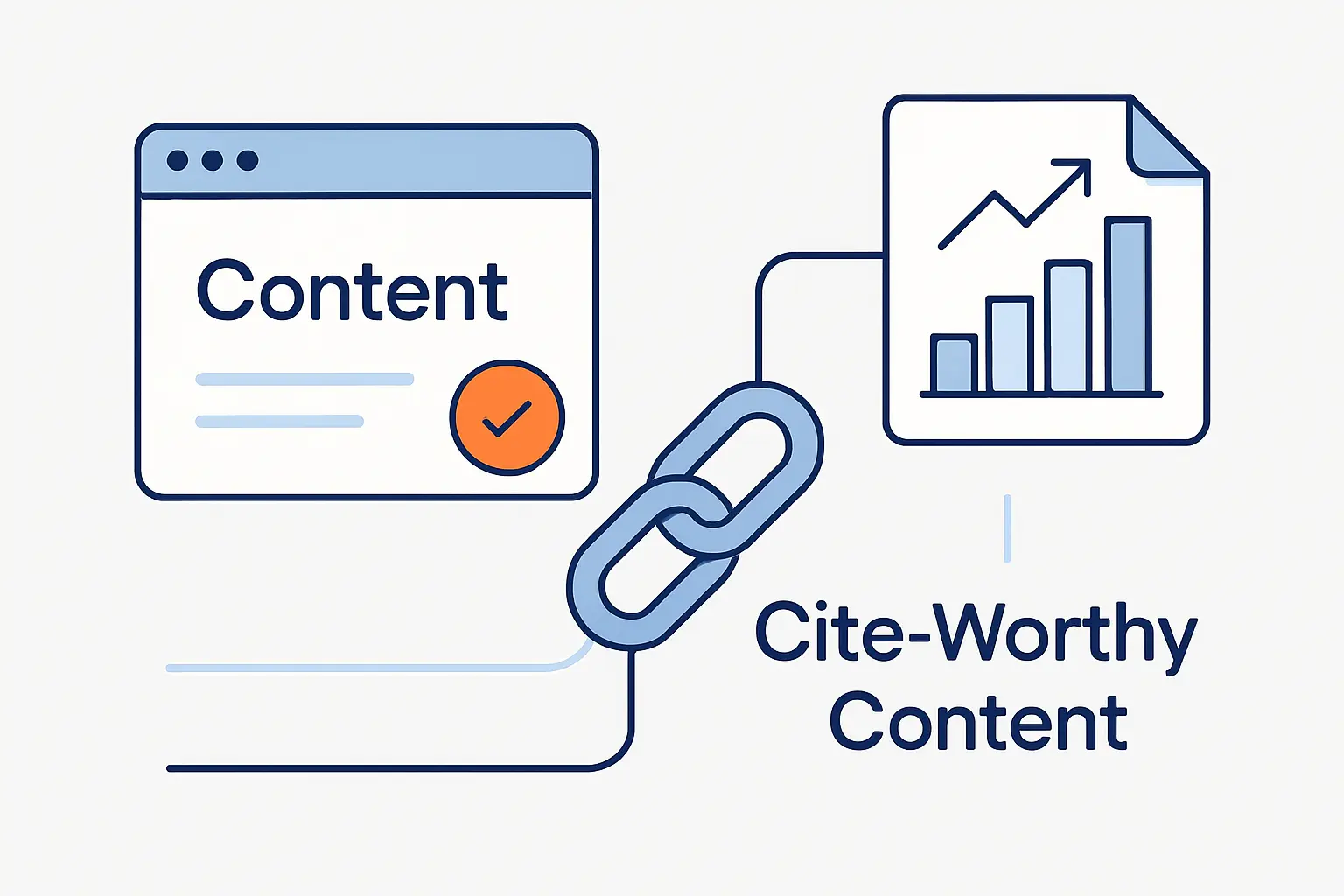
If we want backlinks to compound, we need assets people would cite even if they had never heard from our outreach team. That is the heart of durable link building. Useful content earns links once; cite-worthy content keeps earning them.
1. Create Long Form Guides Cornerstone Content and Skyscraper Upgrades
Long-form guides still work because most readers do not want fragments; they want the whole map. A strong cornerstone page explains the topic clearly, answers objections, compares options, and points to next steps in one place. When we upgrade a thin article into a true reference resource, we give writers, editors, and buyers a page they can cite confidently instead of a post they skim and forget.
2. Publish Original Research Statistics Pages Infographics and Visual Assets
Original research raises the ceiling because it gives other publishers something concrete to quote. Surveys, benchmarks, statistics hubs, charts, and clean infographics can attract links from blogs, media outlets, partners, and sales teams alike. In our experience, methodology is the make-or-break factor here: if the data cannot be explained, trusted, or reused easily, the asset loses most of its linking power.
3. Build Free Tools Calculators and Branded Methods That Earn Repeat Citations
Free tools are some of the best backlink magnets because they solve a problem immediately. In marketing, HubSpot’s Website Grader shows why a simple diagnostic utility keeps getting cited: it delivers a result fast, creates a natural reason to share, and stays useful long after launch.
Outside marketing software, Bankrate’s mortgage calculator proves the same point in a different category. We take that as a useful reminder that branded methods, estimators, planners, and checkers often earn repeat citations because they remove friction for the reader instead of adding more content to wade through.
How to Get Backlinks With Digital PR and Expert Contributions
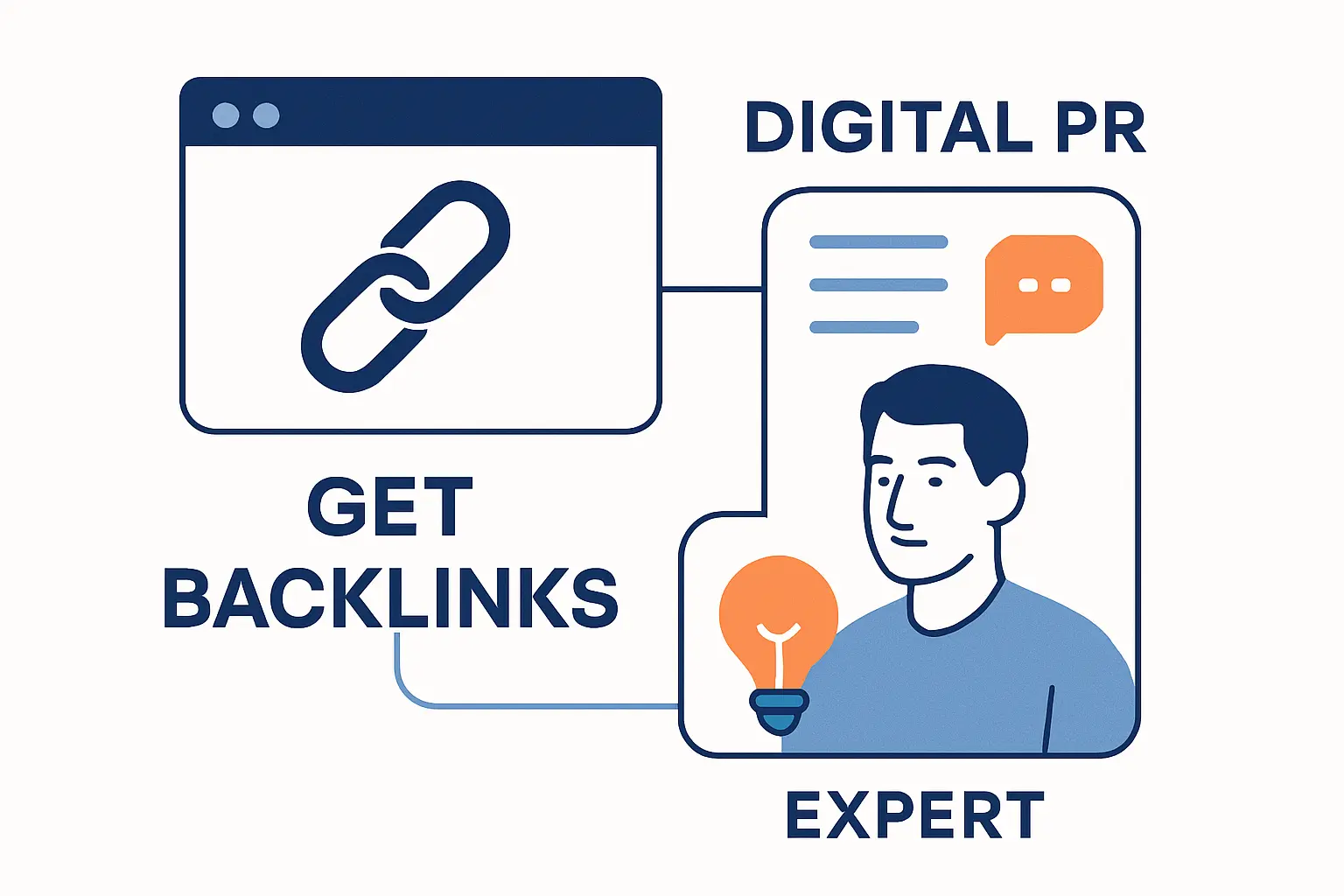
Digital PR works best when it behaves like journalism support rather than self-promotion. The strongest campaigns give reporters a credible hook, clear evidence, and fast expert commentary they can actually use. When that happens, the backlinks are a byproduct of value, not the whole pitch.
1. Respond Fast to Journalist Requests and Source Platforms
Prepared teams win more media links than merely brilliant teams. We recommend keeping expert bios, approved headshots, short company descriptions, key talking points, and topic-specific insights ready so your replies can go out quickly. Speed matters because journalists work on tight deadlines, and the source who responds first with a clean, quotable answer often shapes the story.
2. Run Digital PR Campaigns With a Strong Hook and Credible Methodology
A real campaign needs a hook sturdy enough to travel. That might be an industry survey, anonymized customer trend data, a technical benchmark, or a comparative analysis, but the method has to be transparent and easy to explain. When the evidence is credible, the outreach message can stay brief because the story carries its own weight.
3. Use Reactive PR to Add Value to Trending Stories
Reactive PR is often underrated because it looks simple from the outside. In reality, it works only when your team can add context quickly around a platform update, outage, pricing shift, regulation, or security event in your market. Our advice is blunt here: if you do not genuinely understand the trend, do not force a comment just to chase a link.
How to Get Backlinks Through Relationships and Brand Authority
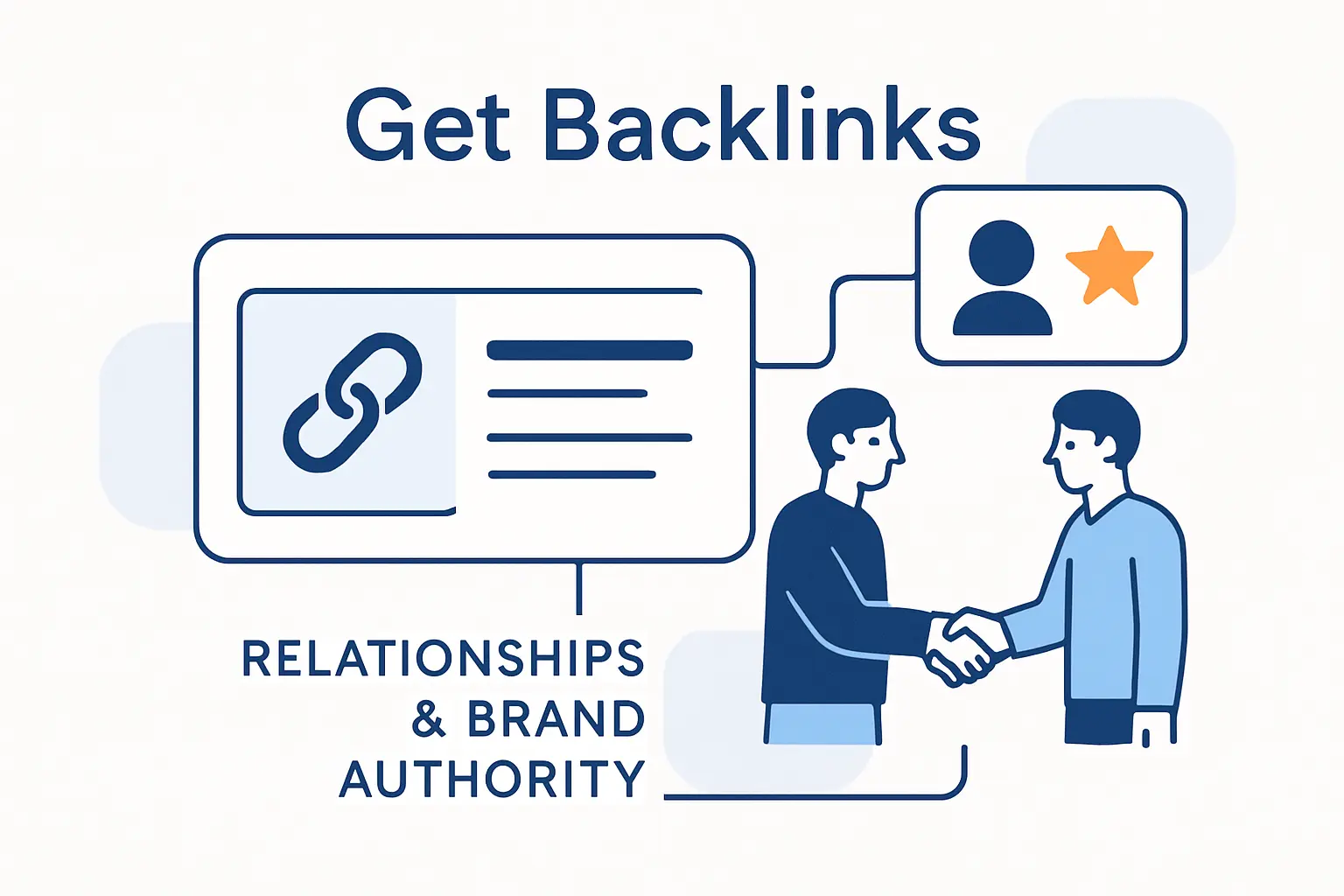
Some of the best link opportunities are already inside your network. Suppliers, clients, partners, communities, event organizers, and media contacts often create the warmest path to editorial mentions because trust already exists. Relationship-led link building is slower to set up, but it is usually sturdier once it starts working.
1. Guest Post on Industry Leading Websites That Reach Your Audience
Guest posting still has a place when the site is respected and the audience overlap is real. We pitch ideas that solve a specific problem for that publication’s readers, then let the author bio or a relevant in-text mention carry the link naturally. Guest post farms are another story entirely; they promise scale, but what they usually scale is mediocrity.
2. Build Relationships With Partners Vendors Clients Affiliates and Integration Pages
Partnership pages are often underused. Integration listings, case studies, reseller pages, implementation stories, and vendor ecosystems can produce links that are both relevant and commercially meaningful. The trick is to earn those placements through real contribution, whether that means technical expertise, a documented customer result, or a working relationship worth showcasing publicly.
3. Earn Links From Podcasts Event Talks Testimonials and Guest Bios
Podcasts, speaker pages, event recaps, testimonials, and guest bios create a different flavor of authority. Even when the individual link is not the strongest SEO signal in the world, the association can drive branded search, build credibility, and open the door to later editorial opportunities. In our view, these placements often punch above their weight because they position your team as people worth quoting.
Free Ways to Support Your Backlink Strategy
Not every useful move needs a premium platform. A disciplined team can find plenty of opportunities with free tools, smart queries, and tighter workflows. The key is consistency; scattered effort rarely uncovers the patterns that make link building efficient.
1. Use Google Search Operators Search Console and Free Backlink Tools to Find Opportunities
Search operators are still practical for finding resource pages, interview opportunities, list posts, competitor mentions, and brand references that are missing links. Search Console adds another layer by showing which pages already attract links and where technical issues may be wasting that equity. When we combine those clues with a free backlink checker, we get a lean prospecting system that is often good enough to start winning.
2. Use Keyword Research and Google Trends to Spot Topics With Demand
Keyword tools tell us what people search for, while trends data helps us see when a topic is gathering momentum. That timing matters because the first genuinely useful glossary, benchmark, explainer, or calculator often becomes the page everybody cites later. In link building, getting there early can be half the battle.
3. Use Social Media to Test Ideas and Amplify Linkable Content
Social media is not a replacement for backlinks, yet it is a sharp testing ground for ideas. A post that draws expert replies, saves, or thoughtful disagreement often contains the seed of a stronger asset. We like to treat social channels as a live focus group, then turn the most promising angle into a guide, study, tool, or quote-led article worth pitching.
Backlink Mistakes to Avoid
A weak backlink strategy does not just underperform; it can also distort your team’s instincts. Once bad habits become normalized, every easy placement starts looking like progress. We prefer to set hard boundaries early so the campaign stays clean as it grows.
1. Buying Links Large Scale Link Swaps and Automated Submissions
Manipulation tends to look efficient right up until it backfires. Google explicitly classifies Buying or selling links for ranking purposes as link spam, and the same policy warns against excessive exchanges, low-value cross-linking, and automated link creation. If a tactic works only when nobody involved would want to explain it openly, we consider that a red flag.
2. Chasing Irrelevant Low Quality or Spammy Websites
Irrelevant links are one of the most common budget leaks in SEO. A backlink from a page with no topical connection, no real readership, and no editorial care may impress a report while doing almost nothing for the business. Frankly, we would rather be cited by a smaller, tighter publication that reaches the right audience than by a sprawling mess of unrelated pages.
3. Ignoring Nofollow Links User Value and Relationship Building
Nofollow links are easy to dismiss, but that is often too narrow a view. They can still send referral traffic, introduce your brand to journalists and customers, and lead to future editorial mentions that do pass stronger signals. User value comes first here; if the right reader finds you through the citation, the effort was rarely wasted.
How to Measure Backlink Results and AI Visibility
If we cannot measure outcomes, we cannot separate motion from progress. Backlinks should influence more than raw counts on a dashboard; they should improve visibility, bring the right visitors, and strengthen the topics your brand is known for. The reporting stack needs to reflect that broader reality.
1. Track Referring Domains Placements Referral Traffic and Conversions
Start with the fundamentals: new referring domains, live placements, target URLs, referral sessions, assisted conversions, and revenue where attribution is possible. We also like to tag campaigns by asset type so we can see whether guides, tools, partnerships, or research produce the healthiest mix of links and business outcomes. That small discipline turns link building into a commercial conversation, not a vanity exercise.
2. Monitor Reclaimed Links Broken Pages and Competitive Share of Voice
New links matter, but lost links deserve equal attention. We monitor broken destinations, redirect drift, reclaimed mentions, and the proportion of trusted citations our brand holds compared with close competitors. Over time, the stronger KPI is not total volume; it is whether your company owns a growing share of the citations that shape your money topics.
3. Measure AI Visibility Brand Mentions Sentiment and Topic Associations
AI visibility needs its own scorecard now. We recommend tracking recurring prompts, whether your brand appears without being named first, which pages get cited in answer engines, the sentiment around those mentions, and the concepts repeatedly associated with your company. That is where backlinks, brand mentions, and content structure begin to merge into one broader discoverability picture.
FAQ About How to Get Backlinks
Below are the questions we hear most often from business owners and in-house marketers. We answer them briefly, but the pattern stays the same throughout this guide: the easiest links to defend are the ones earned by being useful, trustworthy, and easy to cite.
1. Are Backlinks Still Important in 2026?
Yes, absolutely. Backlinks still help validate trust, support discovery, send referral traffic, and reinforce the authority of pages that deserve to rank. In 2026, their role is less about gaming an algorithm and more about proving that other sites are willing to reference your work publicly.
2. How Hard Is It to Get Backlinks?
Difficulty depends on the niche, the strength of the asset, and how clearly your brand deserves the mention. Competitive sectors are tougher, of course, but the challenge drops quickly when you start with reclamation, relationship-based opportunities, and content with a real citation angle. Hard does not mean random; it usually means the asset needs to be better.
3. How to Get Backlinks for Free?
The best free routes are unlinked mention outreach, broken-link fixes, guest bios, association pages, expert commentary, and genuinely useful assets such as glossaries, templates, and simple tools. Time is still the cost, but the cash outlay can stay modest when the workflow is focused and the prospect list is clean.
4. Is Link Building Illegal?
Link building is generally not illegal, but some tactics can violate search engine spam policies, advertising disclosure expectations, or contract terms. We draw a bright line between earning an editorial mention and disguising paid manipulation as independent endorsement. That line matters for both rankings and reputation.
5. What Makes a Backlink High Quality?
A high-quality backlink is relevant to your topic, placed by editorial choice, visible in context, technically crawlable, and capable of sending the right visitor. If the source is trusted and the mention genuinely improves the reader’s experience, the link is usually worth far more than a random placement on a larger but weaker site.
6. How Long Does It Take to Get Backlinks?
Some placements arrive quickly when you reclaim lost mentions or fix broken pages. Others take longer because guides, research, tools, and relationships compound over time. We prefer to judge a program by trend and quality rather than expecting every link to land on the same schedule.
How 1Byte Supports SEO Ready Websites With Cloud Computing and Web Hosting

At 1Byte, we see backlink strategy and infrastructure as two halves of the same system. There is little point in earning hard-won citations if the site loads poorly, breaks under traffic, or looks untrustworthy when an editor, journalist, or buyer clicks through. SEO-ready websites need both authority and dependable delivery.
1. Start With Domain Registration and SSL Certificates That Build Trust
We start with the basics because the basics shape first impressions. Domain registration, clean DNS management, and SSL certificates help remove friction from the first visit and reduce the chance that a hard-earned click runs into trust issues. When the foundation is secure and professionally configured, every later SEO effort becomes easier to support.
2. Choose WordPress Hosting Shared Hosting or Cloud Hosting for Your Growth Stage
Different businesses need different hosting paths. A smaller site may do perfectly well on shared hosting when budget discipline matters, WordPress hosting fits teams that want a familiar publishing environment with less maintenance pain, and cloud hosting makes more sense once performance, flexibility, or traffic volatility become serious concerns. We like matching the platform to the business stage instead of forcing every project into the same mold.
3. Scale With Cloud Servers Backed by an AWS Partner
When growth pushes beyond entry-level plans, cloud servers backed by an AWS Partner offer a clearer route to scale. As 1Byte, we use that approach to help businesses move toward stronger performance, more operational headroom, and infrastructure that can support the visibility they worked to earn. Backlinks may open the door, but the hosting stack still decides whether the visit pays off.




Final Thoughts on How to Get Backlinks
At 1Byte, our final view on how to get backlinks is almost boring in the best possible way: publish something worth citing, put it in front of the right people, and make sure the experience after the click is excellent. Tricks can still sparkle for a moment, but durable backlinks grow from usefulness, credibility, and consistent follow-through.
If we were starting today, we would run a link audit, choose one asset that solves a real problem, build a short prospect list, and measure the result by referring domains, referral quality, and brand visibility across both search and AI surfaces. Which page on your site deserves to become the citation everyone else uses next?