

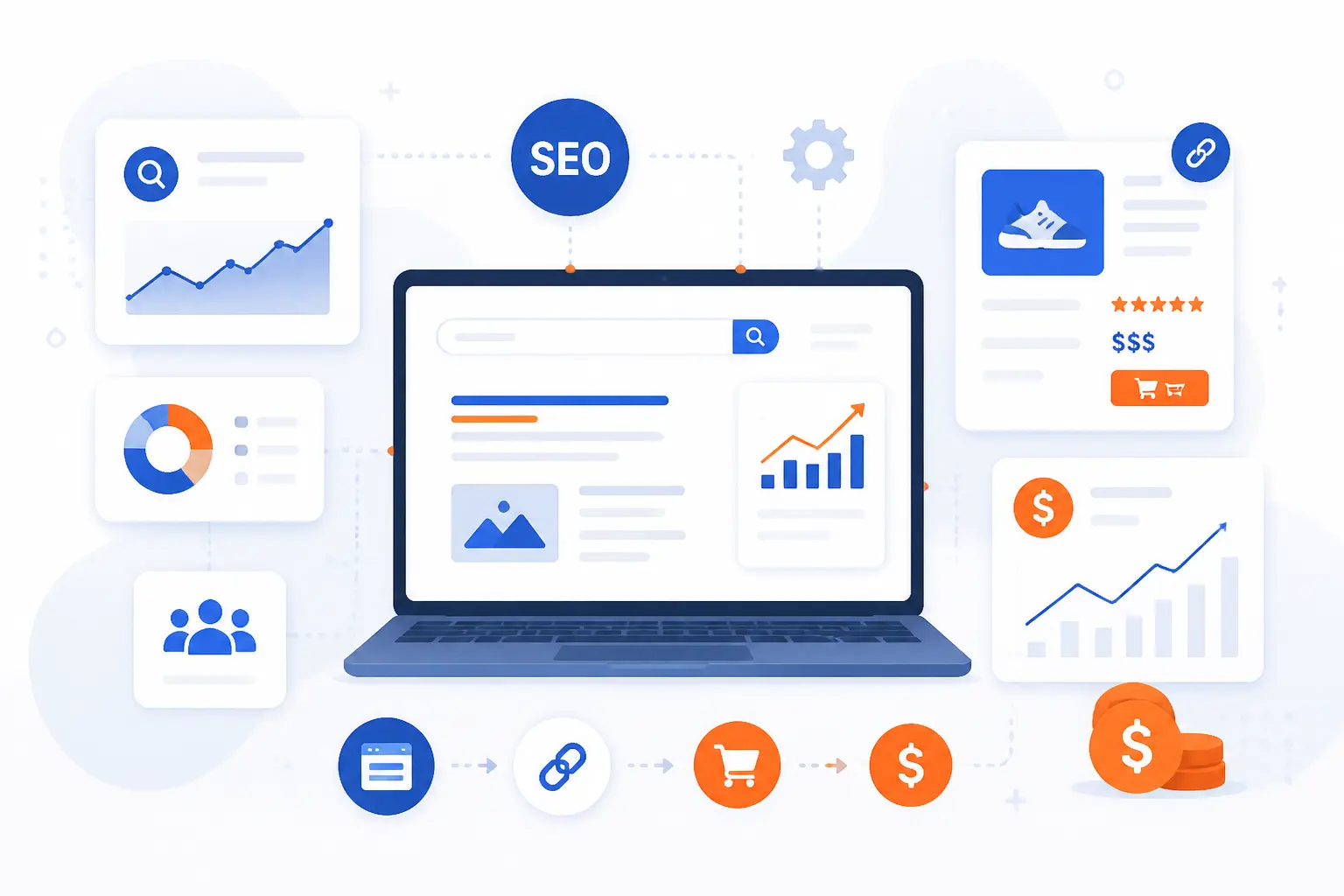
- SEO Affiliate Marketing Is the Process of Ranking Affiliate Content So Organic Searchers Click and Buy
- Why This Model Is Still Worth Pursuing
- Pick a Profitable Niche, Channel, and Offer Mix
- Build the SEO Foundation Before You Chase Rankings
- Find Keywords That Match the Buying Journey
- Create Content That Ranks and Sells Affiliate Products
- Strengthen Page-Level SEO and User Experience
- Build Authority Beyond Your Own Site
- Turn Search Traffic Into Clicks and Commissions
- Measure Rankings, Traffic, and Revenue to Improve SEO Affiliate Marketing
- FAQ
- How 1Byte Supports SEO Affiliate Marketing Sites
- Conclusion
At 1Byte, we define seo affiliate marketing as the practice of publishing search-focused content that attracts the right visitors, earns their trust, and moves them toward a purchase through well-matched offers. The model works when three pieces line up: buyer intent, useful content, and a site search engines can understand. If one piece is weak, the whole thing wobbles. Our view is simple: treat this less like a trick for quick commissions and more like building a small media business with strong commercial pages.
We would not start with plugins, dashboards, or fancy templates. We would start with a market we can explain clearly, products we can judge honestly, and page types that deserve to rank because they genuinely help someone choose. That is the backbone of a durable approach.
SEO Affiliate Marketing Is the Process of Ranking Affiliate Content So Organic Searchers Click and Buy
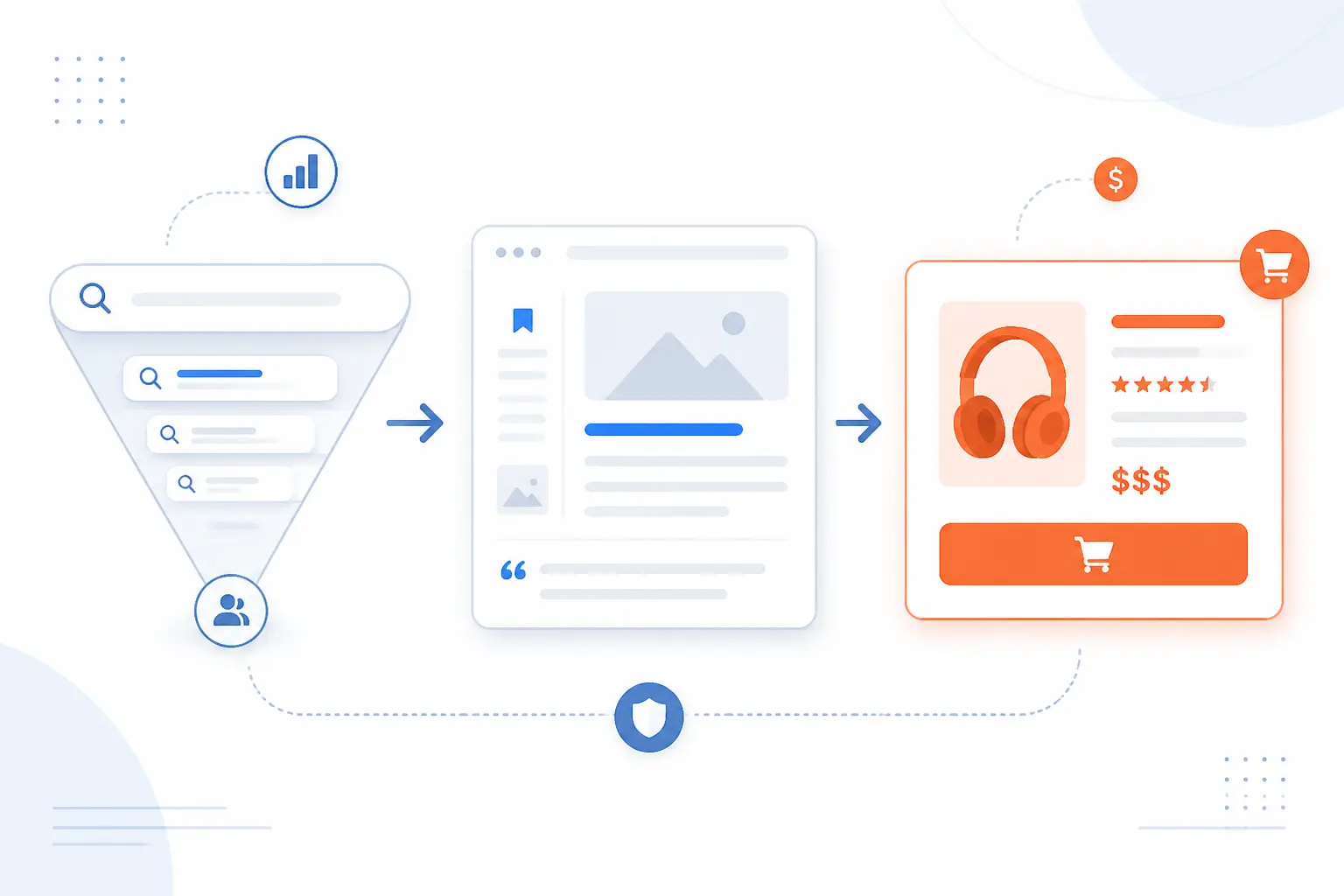
SEO affiliate marketing is the process of turning search demand into commissions by ranking pages that answer buying questions and connect readers to relevant products. In practice, that means we publish content for people who are already comparing, reviewing, pricing, or narrowing options. The goal is not traffic for its own sake. The goal is qualified organic traffic that lands on a helpful page, trusts the recommendation, and takes action.
We find it useful to think of the system in four parts. First, pick a niche where we can say something real. Second, map keywords to the buying journey. Third, create pages that deserve clicks because they are specific, balanced, and easy to use. Fourth, measure which pages bring revenue and improve those before chasing more output. That is the working definition, and it keeps us from drifting into vague publishing.
Why This Model Is Still Worth Pursuing
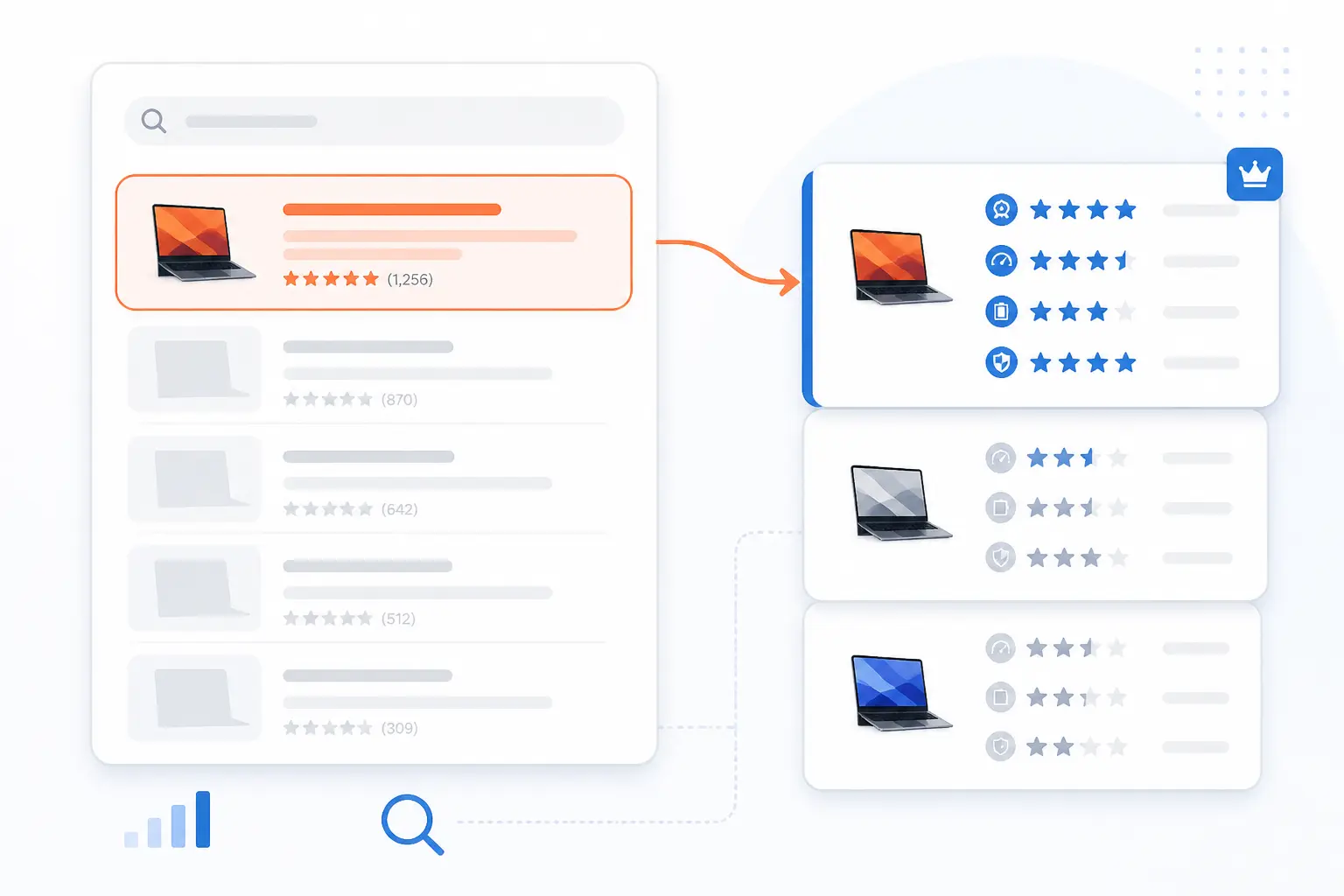
Yes, this model is still worth pursuing because people still use search to evaluate products, compare options, and solve practical problems before buying. Search is still a huge discovery channel, with Google handling over 90% of global search referrals. That does not make the work easy, but it does mean buyer intent still shows up in search results every day. We see the opportunity less in broad head terms and more in targeted pages that answer a narrow commercial question better than anyone else.
Organic Traffic Compounds Into a Long-Term Asset
Organic traffic becomes a long-term asset when one useful page keeps attracting qualified visitors long after the publishing work is done. A paid campaign stops the minute the budget stops. A strong comparison page, by contrast, can bring clicks for months, then improve again when we update it with fresher screenshots, clearer verdicts, and better internal links.
That compounding effect is why we prefer a library mindset. One page about “best backup plugin for WooCommerce stores” can support a broader guide on store maintenance, which then supports a pricing comparison page and a migration checklist. Each new page gives the others more context and more internal paths, so the whole site gets stronger instead of just larger.
Higher Search Engine Rankings Bring More Qualified Buyers
Higher rankings matter most when the keyword already signals intent to choose, compare, or purchase. Someone searching “best budget podcast mic for untreated room” is much closer to buying than someone searching “how microphones work.” We care about the first query because the reader is already evaluating options.
That is why seo affiliate marketing works best when rankings align with buyer language. Comparison pages, alternatives pages, and pricing breakdowns filter in visitors who are deciding now, not someday. When our content matches that moment, we spend less effort persuading and more effort clarifying which option fits which person.
Tradeoffs to Expect Before You Commit
The tradeoff is that this model is slow to trust and slow to mature. Rankings can take time, content must be maintained, and some pages will never convert as well as we hoped. We also have to accept that a niche may look promising in keyword tools yet still be crowded by entrenched publishers.
We should also be honest about the emotional cost. This work rewards consistency more than excitement. If we dislike comparing products, revising pages, checking broken links, or testing better calls to action, the model will feel heavier than it looks from the outside.
Pick a Profitable Niche, Channel, and Offer Mix
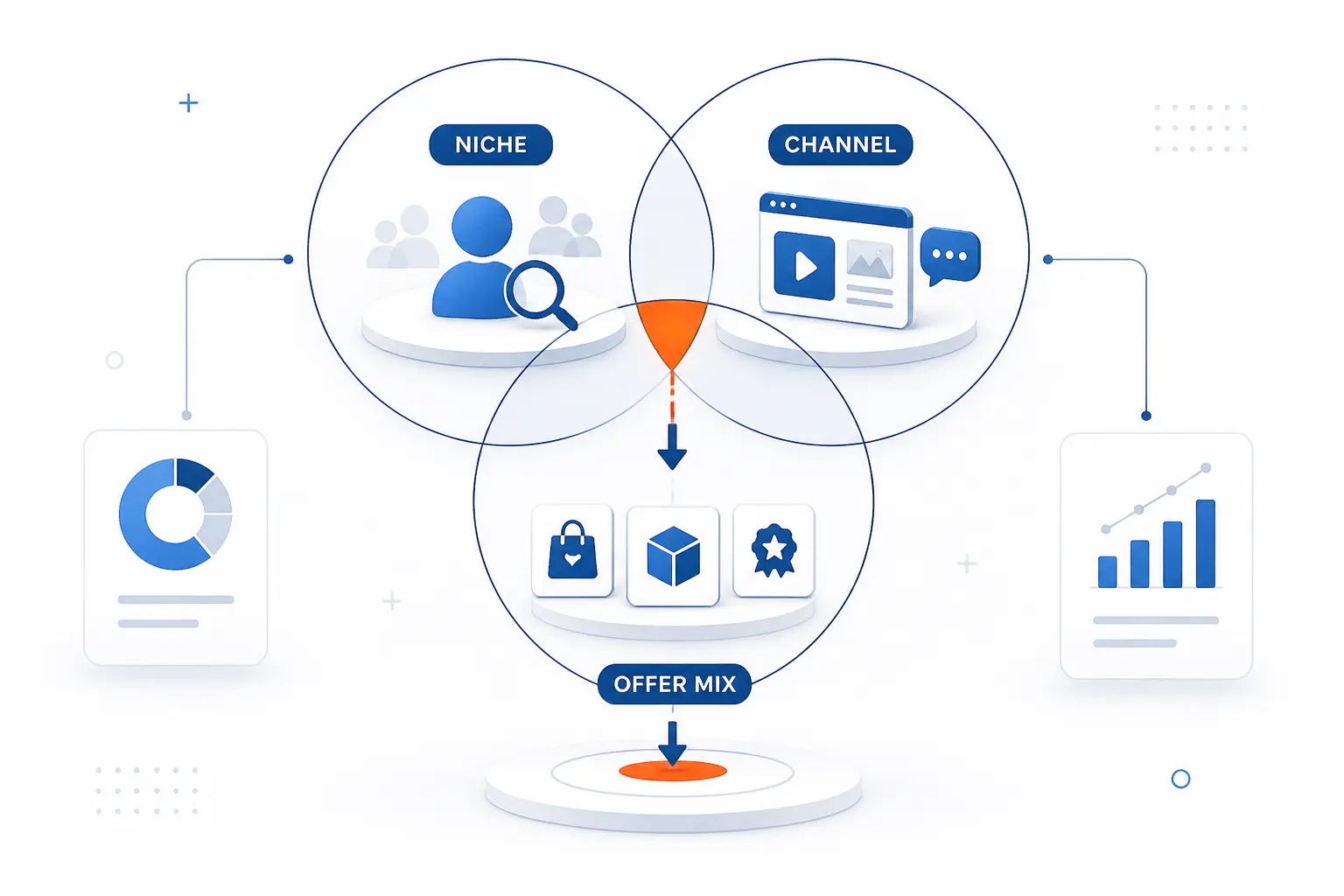
The best starting point is a niche we can explain clearly, a content channel we can maintain consistently, and an offer mix that matches what readers are trying to do. We look for an overlap between real knowledge, search demand, and multiple monetization angles. That last part matters. A niche with only one weak offer is fragile, while a niche with several adjacent products gives us room to grow.
Start With a Vertical You Can Cover With Real Knowledge
The right vertical is one we can cover with confidence, nuance, and examples that sound lived-in rather than assembled. Readers can spot fluff quickly, especially on commercial pages. If we cannot explain why one VPN is easier for families and another is better for power users, we are not ready to compete.
We usually test this by listing twenty article ideas from memory before doing formal research. If we struggle to get past five, the topic may be too thin for us. Depth beats novelty here. A familiar field like hosting, cybersecurity, home office gear, or creator tools often outperforms a trendy niche we barely understand.
Narrow Into a Niche With Demand, Competition Gaps, and Room for More Offers
The best niche is narrow enough to earn authority fast but broad enough to support many related pages and offers. “Fitness” is too wide. “Strength training for women over 50 with limited home space” is much more workable because it suggests clear products, pain points, and keyword clusters.
We look for three signs. First, the problems repeat in predictable ways. Second, the current search results leave gaps in depth, freshness, or specificity. Third, the niche supports several offer types such as software, gear, subscriptions, or services. That mix protects revenue if one program changes terms or disappears.
Choose Affiliate Products and Programs That Match Reader Intent
The best offer is the one that feels like the natural next step after the reader finishes the page. If someone reads a guide on fixing slow WordPress performance, a caching tool, CDN, or hosting upgrade may fit. Sending that reader to a generic laptop deal would break trust because it does not solve the problem they came with.
We prefer to map offers by page type. Reviews should point to the featured product. Alternatives pages should present side-by-side options. Problem-solving guides should recommend only the tools that directly remove the bottleneck. When the offer follows the intent, link placement feels helpful instead of opportunistic.
Consider Recurring SEO Tool Programs Only If They Fit Your Audience
Recurring software programs are attractive only when the audience actually needs ongoing access. A monthly commission sounds great, but it can distort the whole site if we force tool recommendations into every topic. We would rather earn a one-time commission from a better-fit offer than pitch a subscription the reader never truly needed.
In practice, recurring programs fit audiences like agencies, in-house marketers, and site operators more than casual hobbyists. The question is not whether the payout is better. The question is whether the product belongs naturally in the workflow we are writing about.
Build the SEO Foundation Before You Chase Rankings
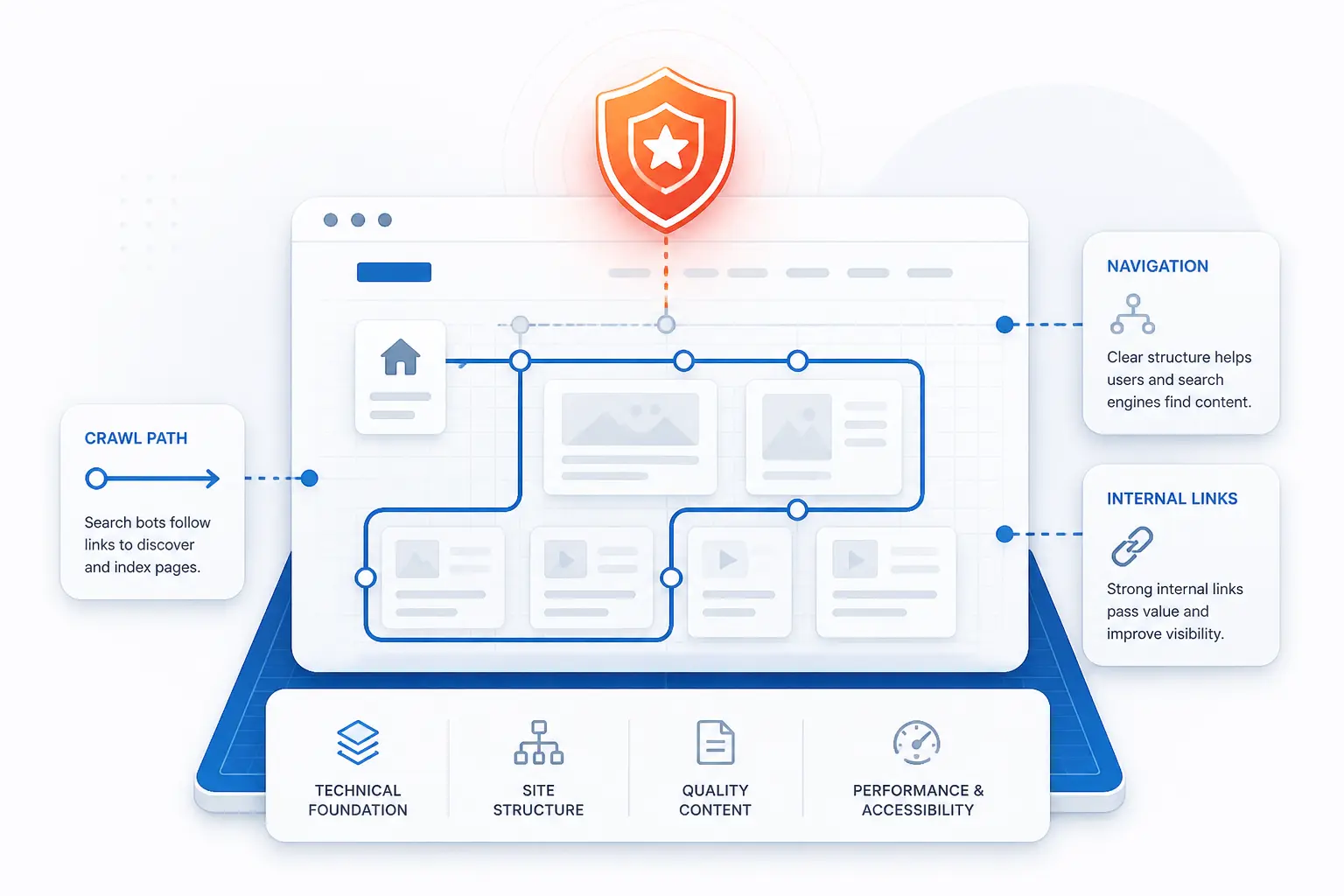
Before we chase rankings, we need a site that search engines can crawl, readers can navigate, and content teams can maintain without friction. Foundation work means technical clarity, strong on-page signals, and credible authority building. None of that is glamorous, but weak foundations turn every later win into rework.
Technical SEO That Helps Search Engines Crawl and Index Your Site
Technical SEO starts with making every important page easy to discover, render, and index. If search engines cannot consistently reach a page, it does not matter how persuasive the copy is. Clean sitemaps, working internal links, canonical discipline, and predictable templates do more good than most advanced tricks.
Google’s own explanation of how Google discovers pages makes the core point clearly: pages are found through links and sitemaps, then crawled, indexed, and served if they are suitable. We take that as a practical checklist. Important pages should never be orphaned, duplicate URLs should not compete with each other, and thin tag pages should not soak up crawl attention that belongs to revenue pages.
On-Page SEO That Improves Relevance, Readability, and Clicks
On-page work means making it obvious what the page is about, who it is for, and what action comes next. We do that with precise titles, straightforward headings, tight intros, descriptive subheads, and copy that answers the query in plain language. Good on-page work reduces confusion for both readers and search engines.
We also keep the page focused on one job. A comparison page should compare. A review should evaluate. A tutorial should teach. Problems begin when we try to make a single page rank for every angle under the sun. Focus usually beats breadth on commercial content.
Off-Page SEO That Builds Authority and Trust
Off-page SEO is the process of earning signals from other sites that make our content easier to trust. In plain terms, that usually means relevant backlinks, brand mentions, citations, and a reputation for publishing something worth referencing. We cannot fake this for long. We either build pages others want to cite, or we do not.
Our bias is to earn authority with useful assets rather than chase shortcuts. Original comparisons, calculators, templates, data roundups, and firsthand notes give other writers a reason to mention us. Outreach matters, but the page must be citation-worthy before outreach has much chance of working.
Find Keywords That Match the Buying Journey
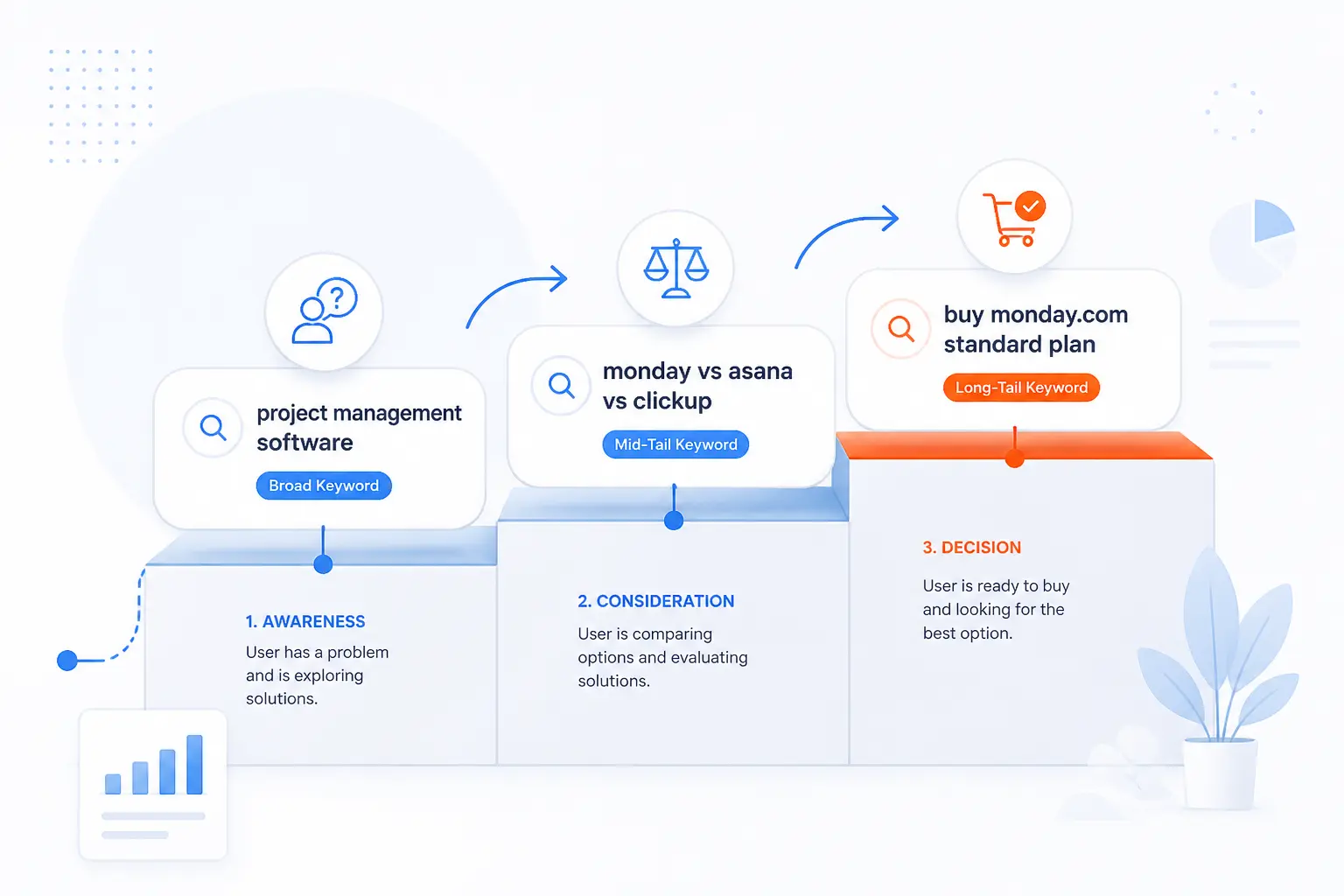
The right keywords are the ones that mirror how a buyer moves from problem awareness to product selection. We sort topics by intent first and volume second. That keeps us from wasting effort on pages that may rank but rarely monetize. For most affiliate sites, the sweet spot sits in commercial, transactional, and highly specific long-tail searches.
Prioritize Commercial, Transactional, and Long-Tail Terms
Commercial, transactional, and long-tail terms deserve priority because they reveal stronger buying intent and clearer content needs. “Best project management software for architects” tells us much more than “project management.” We can infer the audience, the likely features they care about, and the page format that fits.
We usually create a three-bucket list. Commercial terms include “best,” “top,” or “review.” Transactional terms include “pricing,” “discount,” or “buy.” Long-tail terms add qualifiers like industry, budget, team size, or use case. Those qualifiers often separate a high-converting page from a vague one.
Use Search Intent to Plan Comparison, Review, and Purchase Pages
Search intent should decide the page type before we write the first paragraph. If the query implies evaluation, we build a comparison or review. If it implies a final check before buying, we build pricing or alternatives content. If it implies a problem, we create a guide that leads naturally to the right solution.
For example, “Notion vs Asana for small agencies” calls for a side-by-side framework. “Asana pricing for freelancers” needs plan analysis and buyer caveats. “How to manage client work without email chaos” needs a broader guide that recommends tools only after the problem is clearly framed. That distinction saves a lot of wasted writing.
Check Difficulty, Volume, and Competitor Pages Before Publishing
We should check difficulty, volume, and competitor quality before publishing so we know what kind of page the search results are rewarding. Keyword tools can estimate demand, but the search results page tells us what Google currently trusts. That is the real battlefield.
When we review competitor pages, we look for gaps instead of just authority. Are they outdated, too broad, missing pricing nuance, weak on screenshots, or clearly written by someone who has not used the product? If yes, we may have an opening. If the top results are excellent and deeply entrenched, we may need a narrower angle.
Create Content That Ranks and Sells Affiliate Products
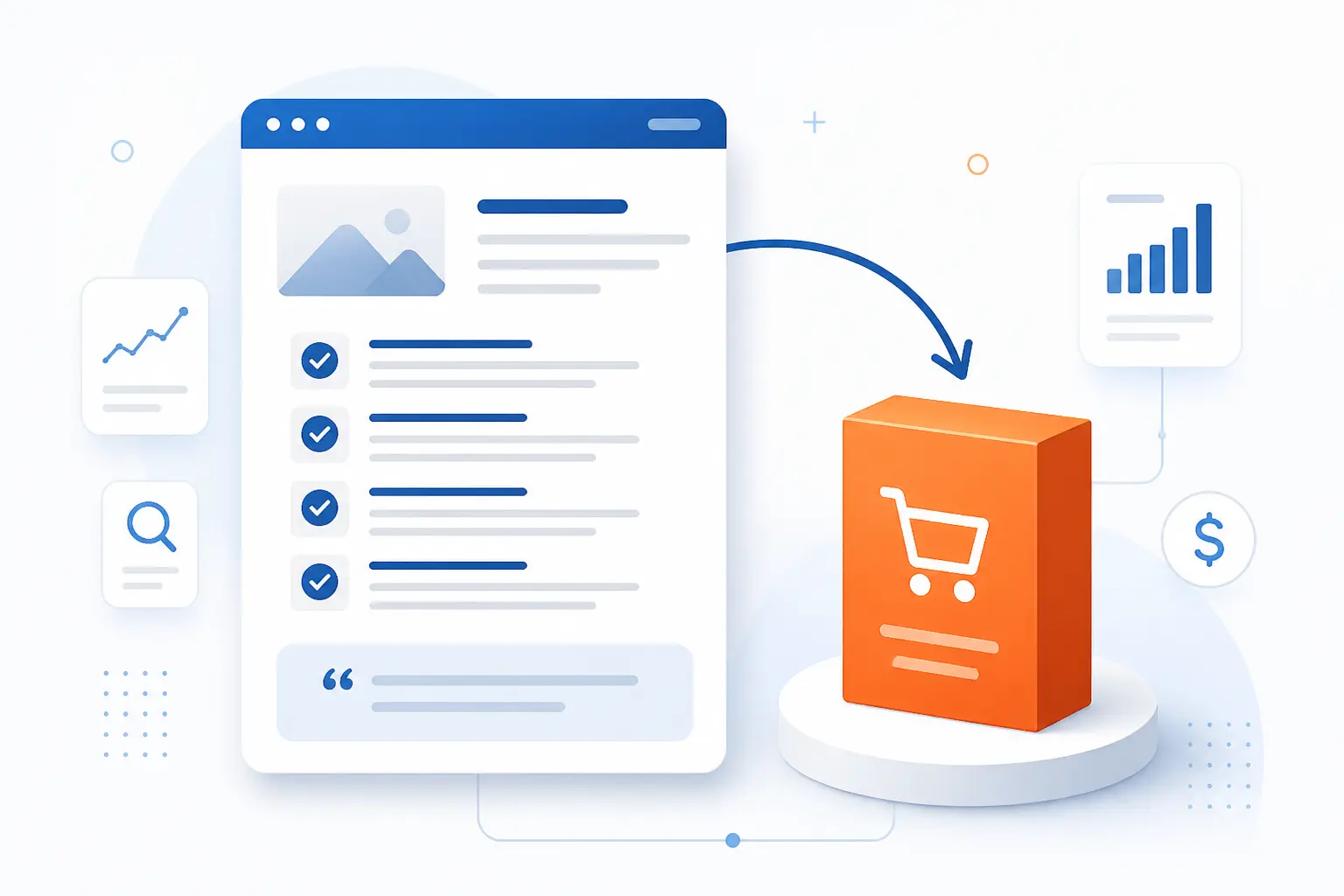
Content that ranks and sells does two jobs at once: it satisfies the search query and it makes the buying decision easier. The strongest affiliate content is specific, balanced, and structured around an actual choice. We do not need to sound like a brochure. We need to sound like a careful guide who understands tradeoffs.
Publish Reviews, Comparisons, Alternatives, Pricing, and Best-Of Pages
These page types win because they meet readers close to the moment of decision. Reviews answer “is this any good for me?” Comparisons answer “which one fits better?” Pricing pages answer “what will this really cost?” Best-of lists answer “where should I start?”
Commercial pages also deserve search-friendly formatting. Google explains that review stars and summaries may appear in rich results when markup is valid, which is one more reason to build product and review pages with clean structure. We still write for humans first, but structured content makes the page easier to parse, scan, and evaluate.
Add First-Hand Experience, Balanced Opinions, and Real Product Knowledge
First-hand experience is what separates a useful affiliate page from a dressed-up catalog entry. We should show where a tool shines, where it frustrates, who should avoid it, and what tradeoffs come with the lower-priced plan. Balanced pages convert better because they feel honest.
We often use a simple pattern. Start with the best fit, name the wrong fit, explain the deciding criteria, then show evidence through screenshots, setup notes, use cases, and limitations. If we cannot write a credible “who should not buy this” section, our review probably is not deep enough yet.
Use Long-Form Guides, Helpful Tools, and Strong Supporting Media
Long-form guides work best when they support commercial pages instead of trying to replace them. A thorough guide can attract broader traffic, build trust, and feed internal links into reviews and comparisons. Helpful tools like calculators, checklists, or templates add practical value that generic articles rarely match.
Supporting media matters for the same reason. Screenshots reduce uncertainty. Tables speed up scanning. Short annotated examples help beginners understand why one option beats another. We see these elements less as decoration and more as decision support.
Strengthen Page-Level SEO and User Experience
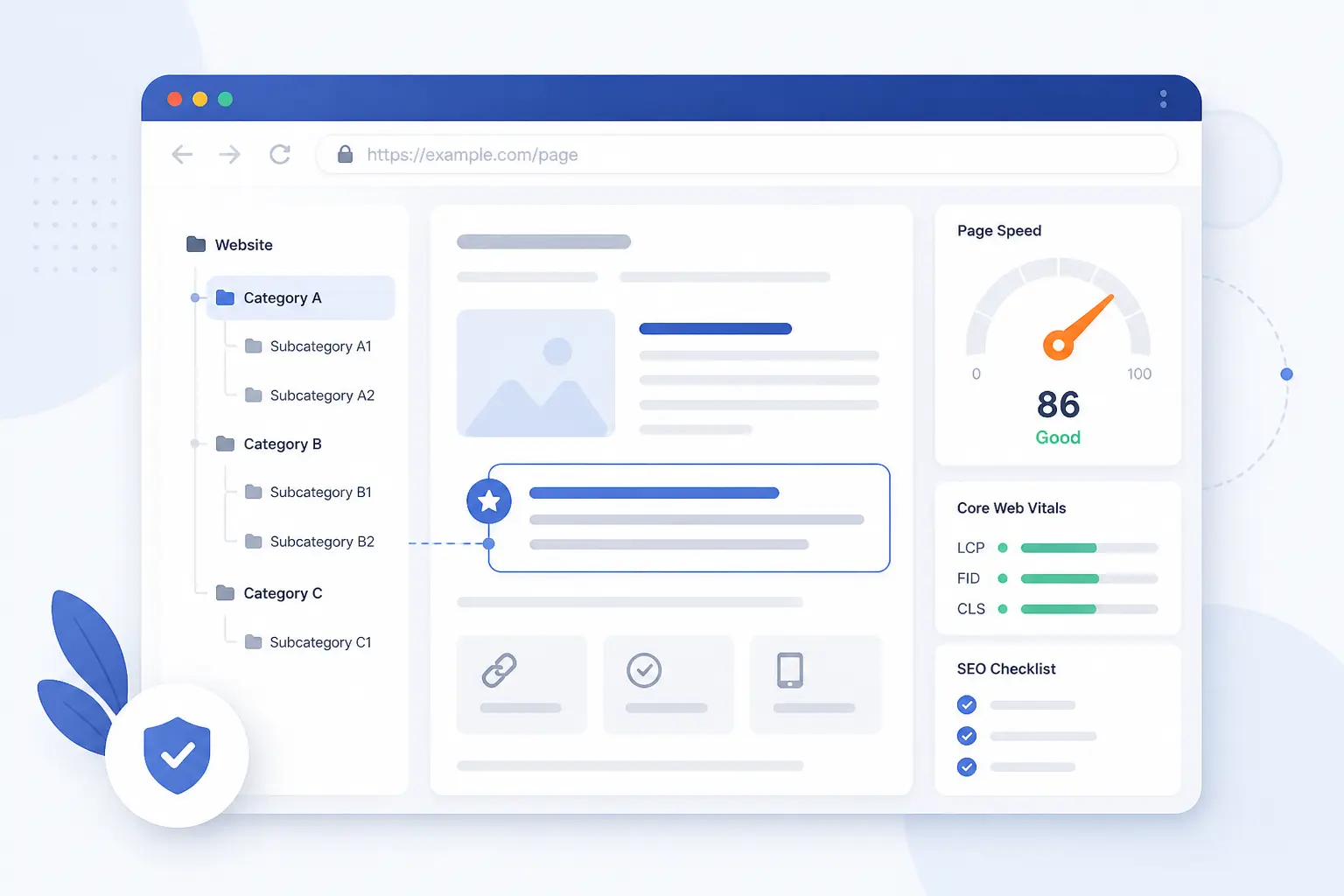
Page-level improvements help good content earn more clicks, better engagement, and clearer search signals. This is where small changes often pay off fast. We focus on structure, snippets, search enhancements, and site performance because those affect what readers see before they click and what they feel after they land.
Organize Categories, URLs, and Internal Links for Clear Site Structure
Clear site structure helps readers navigate and helps search engines understand which pages matter most. We organize categories around topics people actually search, keep URLs readable, and link from broad pages to narrower commercial pages with descriptive anchor text. The structure should feel obvious, not clever.
Google’s guidance on logical site structure reinforces this. Internal links should point clearly to important pages, and the wording should be concise and relevant. In practice, that means category hubs, breadcrumbs, and contextual links that move readers deeper into the topic instead of sending them in circles.
Write Metadata That Improves Click-Through Rate
Metadata improves click-through rate when it previews the page honestly and gives the searcher a reason to choose us. The title should promise the benefit or comparison clearly. The meta description should confirm what the page covers and who it helps. We do not treat metadata as filler because it often decides whether the page gets the visit at all.
Google’s quality meta description guidance is a good reminder that snippets are generated from page content and can vary by query. So we write descriptions that summarize the real value of the page instead of stuffing them with repeated phrases. Usually, clarity outperforms cleverness.
Add Schema, Featured-Snippet Formatting, and Voice-Friendly Answers
Schema and snippet-friendly formatting help search engines extract meaning from a page faster. We use short direct answers near the top, comparison tables where they help, and clean question-and-answer formatting when a query deserves it. That increases the chances that our content is easy to quote, summarize, or highlight.
We also keep answer blocks plain and complete. One sentence should define the point, then the next few lines should add the needed context. That approach works well for featured snippets, voice assistants, and busy human readers who are scanning before they commit to reading the whole page.
Keep Pages Mobile-Friendly, Fast, and Secure
Mobile-friendly, fast, and secure pages hold rankings better because they reduce friction at the exact moment a visitor decides whether to stay. Slow templates, jumpy layouts, or security warnings make commercial pages leak trust. That is especially costly on affiliate pages where a reader may bounce before ever reaching the recommendation.
We use Core Web Vitals as a practical lens for speed and stability, then pair that with responsive layouts, compressed media, and HTTPS everywhere. Fancy widgets are rarely worth it if they delay the main content or make the page feel unstable on a phone.
Build Authority Beyond Your Own Site
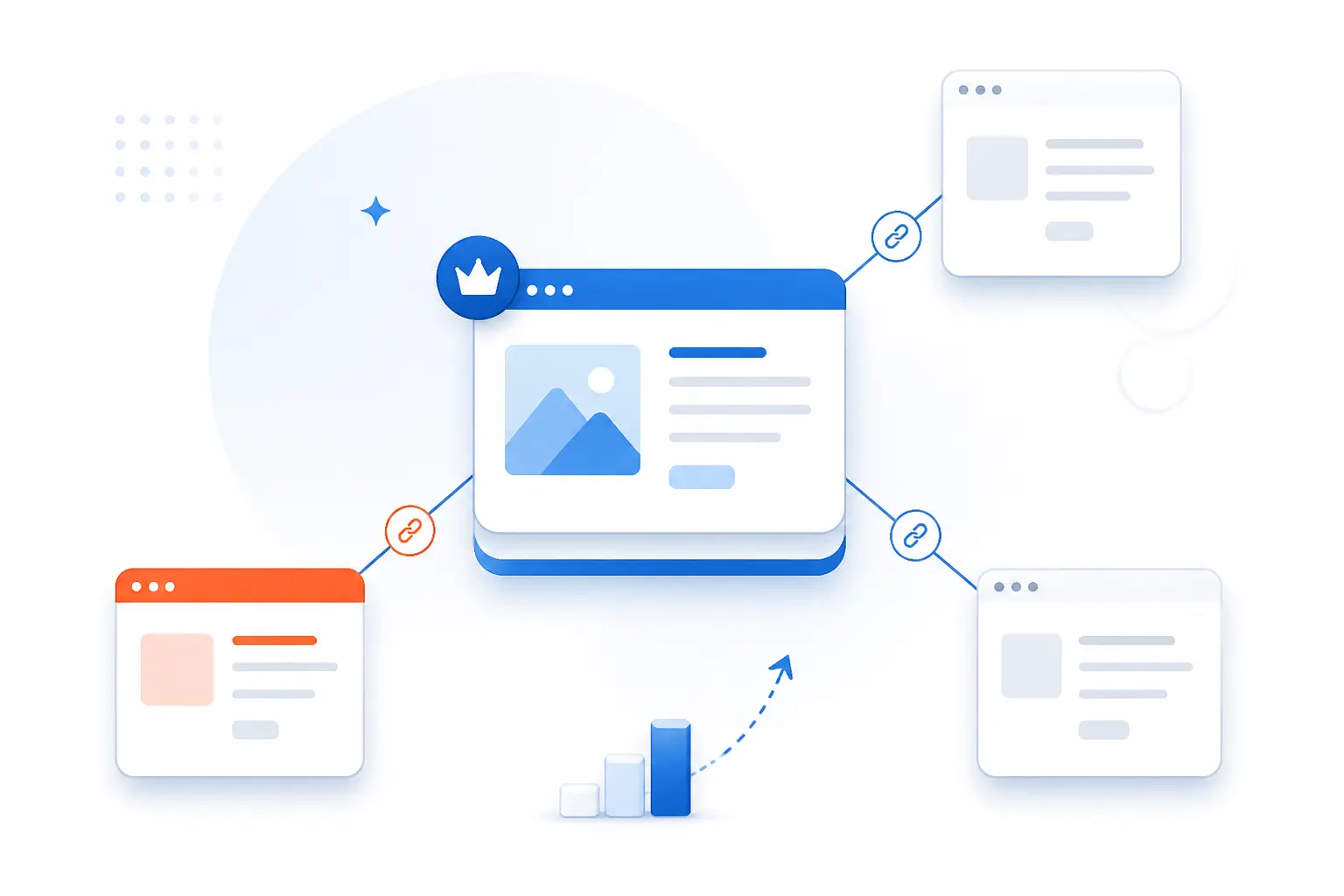
Authority grows faster when other relevant sites, communities, and creators know we publish something worth citing. That does not mean mass outreach or spammy link drops. It means creating assets with a clear reason to exist, then putting them in front of the right people. Off-site visibility should reinforce the site, not distract from it.
Earn Backlinks With Outreach, Guest Posts, and Original Assets
Backlinks are easiest to earn when we give people something specific to reference. A fresh benchmark, a template, a calculator, a concise framework, or a well-structured comparison often works better than another generic article. Outreach succeeds more often when the asset already solves a problem for the editor, creator, or community we contact.
We usually ask one blunt question before outreach: why would anyone link to this page instead of the ten pages already ranking? If we cannot answer that in one sentence, the asset likely needs more work.
Focus on Relevant Relationships Instead of Spammy Link Tactics
Relevant relationships beat manipulative tactics because they produce links that make sense in context. A mention from a niche newsletter, creator, or industry blog may be worth more than a pile of random directory listings. Relevance sharpens both trust and referral quality.
We also avoid shortcuts that age badly. Link schemes may create a temporary sugar rush, but they leave behind a weak brand and a messy profile. It is better to have fewer strong references from the right ecosystem than many hollow ones from nowhere in particular.
Use Social, Email, and Partnerships to Expand Reach
Off-platform channels matter because they help us seed early traffic, earn feedback, and create more ways for good pages to be discovered. Email is especially useful for reactivating readers who were not ready to buy on the first visit. Social can surface angles that deserve fuller search-focused pages later.
Partnerships also help if they are practical. A YouTube creator can demonstrate the tool we review. A newsletter partner can send qualified traffic to a pricing breakdown. A community sponsor can reveal the exact objections people have before they click. Those insights often improve the page itself.
Turn Search Traffic Into Clicks and Commissions
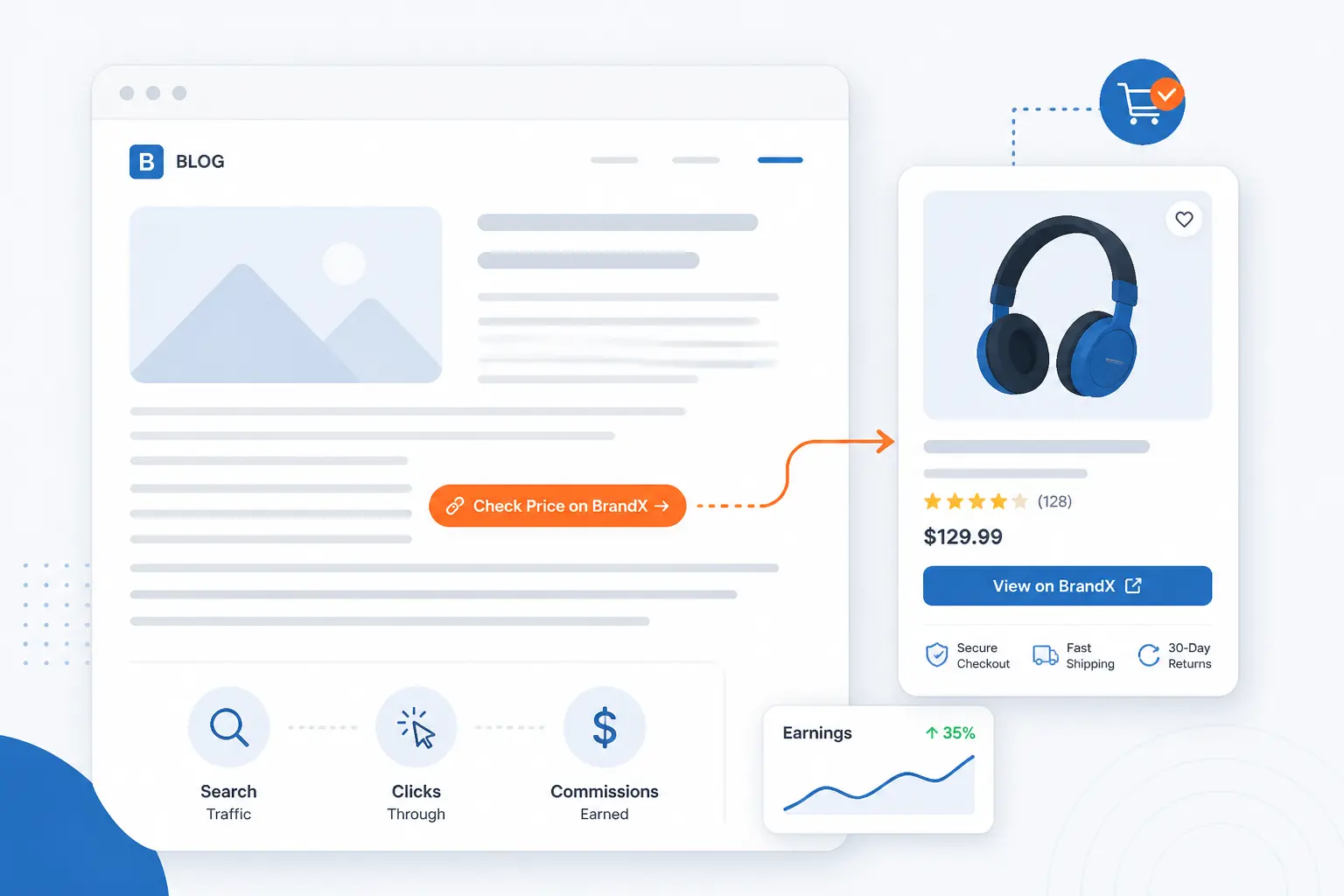
Converting search traffic into commissions comes down to relevance, timing, and trust. We place offers where the recommendation feels earned, not forced. The page should solve the reader’s question first, then make the next step easy. Conversion usually improves more from sharper page intent than from louder design.
Place Affiliate Links Naturally Inside Helpful Content
Affiliate links work best when they appear exactly where the reader expects the next step. After a verdict, beside a comparison point, or under a recommendation summary is usually better than scattering links everywhere. Natural placement keeps the page readable and preserves trust.
We like to think in layers. The first link serves decisive readers. Later links serve cautious readers who need more context. That way, the page supports both quick buyers and careful evaluators without feeling crowded.
Use Buttons, Banners, and Dedicated Sections Without Overloading the Page
Buttons, banners, and callout boxes should clarify the path, not shout over the content. One well-placed button after a strong summary can outperform three flashing elements above the fold. A dedicated “our pick” section is useful when it saves time for scanners.
Too many visual prompts create the opposite effect. Readers start ignoring them, or worse, they suspect the page exists only to push a commission. We would rather use fewer elements with stronger context than more elements with weaker trust.
Improve Existing High-Traffic Pages Before Creating More Content
Updating a page that already attracts visits is often the fastest path to more commissions. The audience is already there. We only need to reduce friction, improve intent match, and make the recommendation clearer. That is often cheaper and faster than publishing five new pages that may never rank.
Google Search Console’s Performance report helps us spot pages with strong impressions but weak clicks, or strong traffic but weak conversions. Those are prime candidates for better intros, stronger comparisons, clearer buyer fit sections, and more useful calls to action.
Disclose Partnerships and Handle Sponsored Links Correctly
Disclosures should be obvious, plain-English, and close to the recommendation. The FTC’s own FAQ says affiliate relationships must be clear and conspicuous, which is exactly how we approach it. A hidden disclaimer in the footer does not cut it, and vague labels do not help readers understand the relationship.
We also handle the links themselves correctly. Google’s link qualification rules explain when paid or compensated links should carry the proper rel attribute. In practice, that means we separate editorial judgment from technical compliance and do both properly.
Measure Rankings, Traffic, and Revenue to Improve SEO Affiliate Marketing
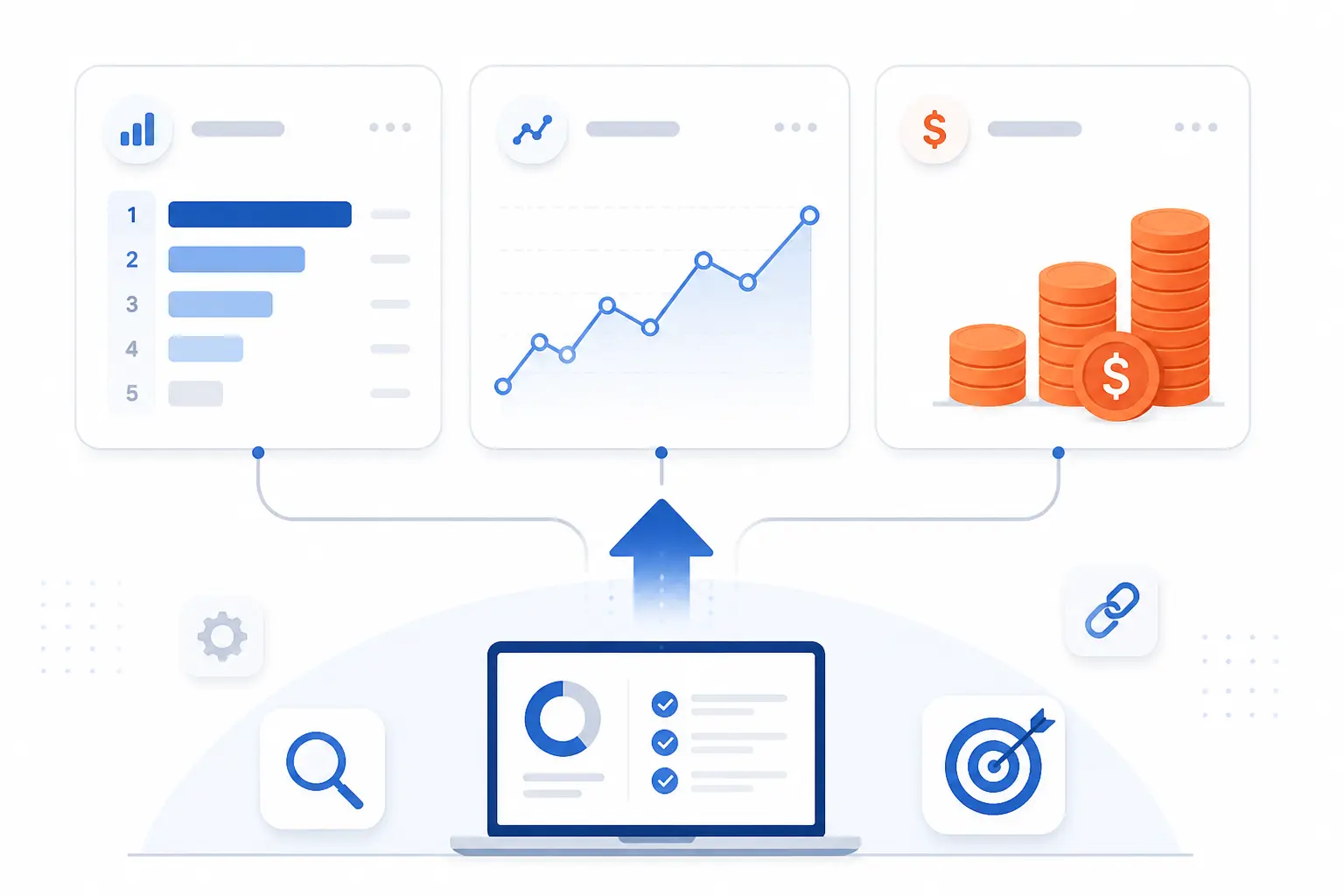
Measurement turns seo affiliate marketing from guesswork into a repeatable system. We track visibility, traffic quality, and revenue together because any one metric on its own can mislead us. A page can rank well and still fail commercially. Another page can get modest traffic and quietly become the top earner on the site.
Track Organic Traffic, Keyword Positions, Click-Through Rate, and Conversions
These are the core metrics because they show each step of the funnel from impression to commission. Rankings show visibility. Click-through rate shows search appeal. Traffic shows access. Conversions show business value. We want all four because they explain different kinds of failure.
When one metric breaks, the fix changes. Poor rankings call for better targeting or authority. Poor CTR points to titles and snippets. Good traffic with weak conversions usually points to the offer, the page type, or the recommendation logic. That is why we never judge a page by traffic alone.
Use Analytics, Search Console, Rank Tracking, and Site Crawls to Find Gaps
We find the most useful gaps by combining data sources instead of trusting one dashboard. Search Console shows visibility. Analytics shows engagement and conversion paths. Rank tracking shows movement. Crawlers reveal broken links, duplicate titles, thin pages, and redirect issues. Together, they tell a fuller story.
If a page is slipping, we ask simple questions first. Did rankings fall, or did CTR fall? Did the query mix change? Did a competitor publish a better comparison? Did our page lose freshness? Those questions keep diagnosis practical.
Refresh Content and Run Regular Audits to Protect Rankings
Content refreshes protect rankings because commercial topics age fast. Prices change, plans shift, screenshots go stale, and old verdicts become unreliable. A useful affiliate page is never fully done. It is maintained.
We like a light audit rhythm. Check top pages monthly, review monetization paths quarterly, and revisit weak or stale clusters before they decay too far. Even small refreshes such as updated pricing notes, clearer alternatives, or tighter intros can revive a page that still has ranking potential.
FAQ
These are the questions we hear most often from site owners who are deciding whether seo affiliate marketing is worth their time and how much of it they can do themselves. The short answers are encouraging, but the practical caveats matter just as much.
Is SEO Dead or Evolving in 2026?
No, it is evolving, not dead. Google’s own guidance says the same fundamentals still apply even for generative AI features in Search, so useful content, technical clarity, and trust still matter. What has changed is the format of visibility, not the need for strong pages.
Can You Make Money With SEO Affiliate Marketing?
Yes, you can make money with it if you target buying intent and match offers to real reader needs. The model works best when pages answer a clear decision question and the products genuinely fit the audience. Traffic without intent, or offers without trust, usually disappoints.
Can You Make 10,000 Dollars a Month With Affiliate Marketing?
Yes, it is possible, but it is not a baseline outcome. Reaching that level usually requires strong rankings across multiple commercial pages, solid conversion rates, and an offer mix that does not depend on one fragile program. We would treat that number as a business target, not as a promise.
Can I Do SEO by Myself?
Yes, you can do it by yourself, especially on a focused niche site. Many solo operators handle keyword research, content briefs, basic technical setup, and content updates without a large team. The real challenge is consistency, not permission.
What Content Formats Work Best for SEO Affiliate Marketing?
Reviews, comparisons, alternatives pages, pricing explainers, best-of lists, and supporting guides usually work best. Each format maps to a different stage of buyer intent, which helps us build a site that serves both discovery and decision. The key is to choose the format that matches the query instead of forcing every topic into one template.
How 1Byte Supports SEO Affiliate Marketing Sites
At 1Byte, we support seo affiliate marketing sites by helping owners launch with a trustworthy setup, publish efficiently, and move to more capable infrastructure as traffic and complexity grow. We offer domain registration, SSL certificates, WordPress hosting, shared hosting, cloud hosting, and cloud servers, and we are an AWS Partner. In our view, that combination fits the real lifecycle of an affiliate site better than pretending every project needs the same stack from day one.
| Service group | Best fit | Practical use |
|---|---|---|
| Domain registration + SSL certificates | New sites building trust | Launch a brand readers can remember and access securely |
| WordPress hosting + shared hosting | Early-stage publishers | Get content live quickly and test topics without overbuilding |
| Cloud hosting + cloud servers | Growing sites with heavier needs | Support stronger performance, larger libraries, and busier traffic periods |
Launch a Trustworthy Brand With Domain Registration and SSL Certificates
A trustworthy brand starts with a clean domain and secure browsing from the first visit. Domain registration helps us choose a memorable identity, while SSL certificates support HTTPS so readers can move through the site without browser warnings. On affiliate sites, that basic trust signal matters more than many owners realize.
We see this as the first brick, not an afterthought. If the site looks uncertain at the domain level or unsafe at the browser level, every recommendation on the page has to fight harder for credibility.
Get Started Quickly With WordPress Hosting and Shared Hosting
WordPress hosting and shared hosting are practical starting points when the goal is to publish, test, and refine quickly. Many affiliate sites begin with a simple content engine, a few commercial page templates, and a manageable plugin stack. That is enough to validate a niche before adding more moving parts.
We like this stage because it encourages discipline. Instead of hiding weak strategy behind expensive infrastructure, we can focus on page quality, site structure, and whether the content actually earns clicks and commissions.
Scale Performance With Cloud Hosting and Cloud Servers
Cloud hosting and cloud servers make more sense once traffic grows, workloads get heavier, or the site needs more control over its environment. This is the stage where larger content libraries, comparison tables, media-heavy pages, or multiple site projects may ask for more than a basic setup comfortably gives. Better infrastructure supports the publishing strategy when the strategy has already proved itself.
As an AWS Partner, we at 1Byte see cloud services as the next step for sites that have moved past simple validation and are now protecting rankings, user experience, and monetization efficiency.






Conclusion
At 1Byte, we believe seo affiliate marketing works best when we stop treating it like a loophole and start treating it like a publishing business with commercial discipline. Pick a niche you can speak about honestly, build pages around real buying intent, make the site technically clear, and improve winners before chasing more output. That is the framework we would use if we had to build from scratch again. If you are planning your next move now, which page on your site is closest to revenue and worth improving first?