


- Quick Comparison and How We Selected the Platforms
- Top 10 Customer Data Platforms to Shortlist
- Five More Platforms Worth Considering for Specific Needs
- How Customer Data Platforms Turn Fragmented Data Into Action
- Which CDP Architecture Fits Your Existing Stack?
- Where a CDP Fits Alongside Your Other Customer Systems
- When a CDP Investment Makes Sense
- Practical CDP Use Cases by Industry
- How to Plan a CDP Rollout Without Creating More Data Silos
- What to Prove in a CDP Pilot Before Signing
- How to Budget for Customer Data Platforms and Measure ROI
- CDP Roadmap Changes Worth Evaluating Beyond the Hype
- Frequently Asked Questions About Customer Data Platforms
- Conclusion
The best customer data platforms fit the systems you already run and the work your team needs to do. Our shortlist starts with Salesforce Data 360 for Salesforce-centered organizations, Insider One for cross-channel engagement, and Customer.io for behavior-based messaging. Warehouse-led teams should also look closely at Hightouch and RudderStack.
These products are not interchangeable. Some manage profiles and execute campaigns. Others connect your warehouse to tools you already own. We reviewed official product pages, documentation, pricing materials, and independent reviews to explain those differences without claiming hands-on testing.
Below, we separate documented capabilities from our editorial judgments. We also flag quote-based pricing, product boundaries, and the implementation questions worth asking before you sign.
Quick Comparison and How We Selected the Platforms
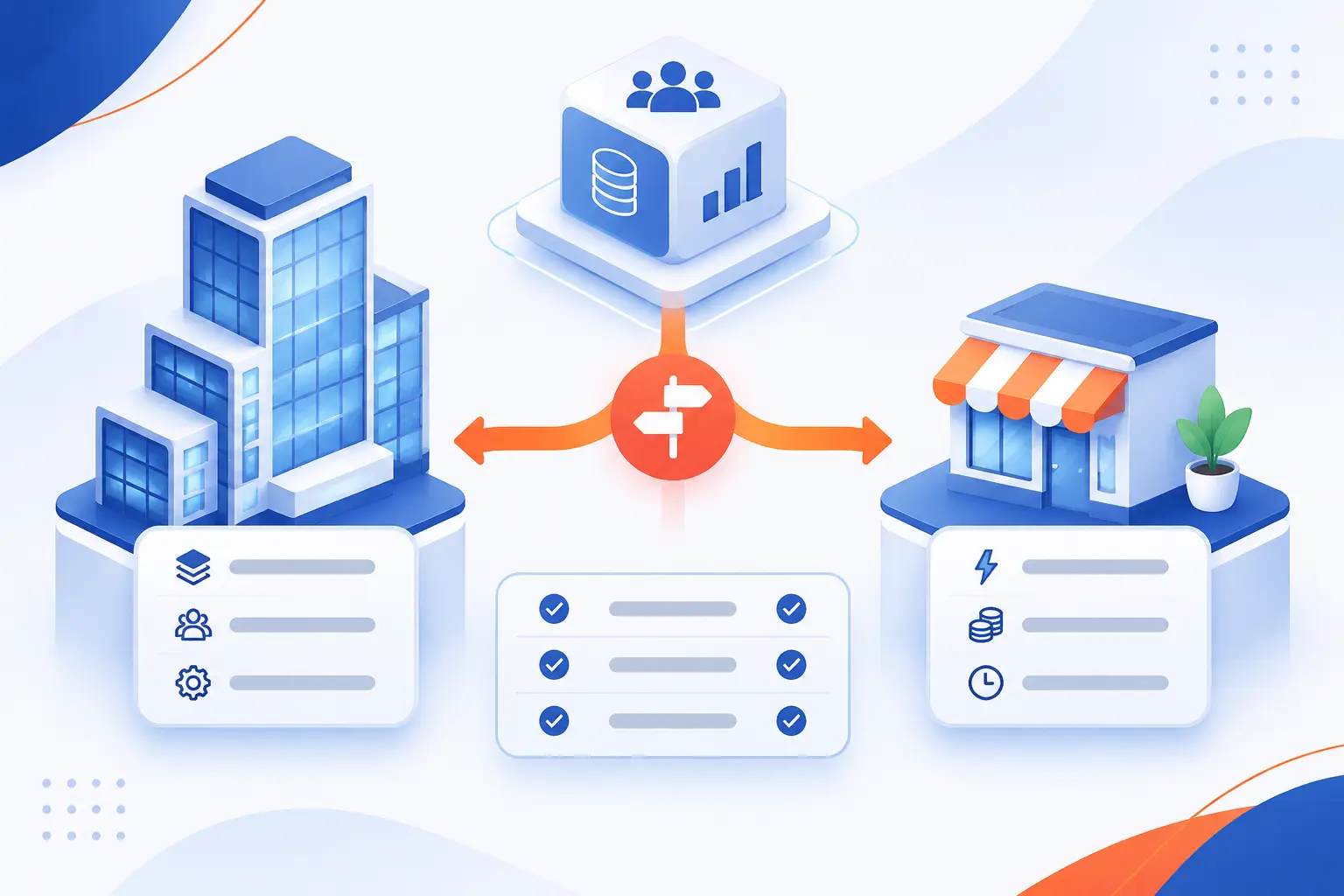
Choose by architecture and activation needs first, then compare price and setup requirements. A platform that suits an enterprise marketing cloud may be unnecessarily complicated for a small subscription business. Our comparison distinguishes those situations rather than declaring one universal winner.
FURTHER READING: |
| 1. Best Freelance Websites for Better Paying Work |
| 2. Top 20 WordPress Security Experts for Safer Sites in 2026 |
| 3. 15 Hottest AI Startups To Watch Across Markets |
Customer Data Platforms Compared by Best Fit, Architecture, Pricing Model, and Setup Effort
Salesforce Data 360 leads our enterprise-oriented shortlist, but your existing stack should determine which options advance. Setup effort below is our qualitative assessment of the documented integration work, not a measured implementation time. Scores are our editorial judgments, not third-party ratings.
| Platform | Best fit | Architecture | Pricing model | Setup effort | Score |
|---|---|---|---|---|---|
| Salesforce Data 360 | Salesforce-centered enterprises | Managed platform with federation | Credits or profile-based packages | High: mapping and identity configuration | 4.6 |
| Insider One | Cross-channel consumer engagement | Packaged data and engagement platform | Custom quote | Moderate to high: data and channel integration | 4.5 |
| Customer.io | Behavior-based lifecycle messaging | Engagement platform with data integrations | Profiles, messages, and plan level | Moderate: event tracking and workflows | 4.3 |
| Bloomreach | Commerce personalization and campaigns | Packaged customer data and activation | Product-specific custom quote | Moderate to high: customer and catalog integration | 4.5 |
| Tealium AudienceStream | Independent orchestration across existing tools | Managed profiles with hybrid options | Consumption-based packages | High: attributes, identity, and connectors | 4.5 |
| Klaviyo | Ecommerce marketing with embedded data tools | Packaged engagement and data platform | Profiles, channel usage, and selected products | Moderate: commerce integration and flows | 4.3 |
| Adobe Real-Time CDP | Governed enterprise audience activation | Experience Platform with warehouse connectivity | Edition and profile-volume quote | High: schemas, identities, and policies | 4.5 |
| Twilio Segment | Developer-led collection and connected activation | Event infrastructure plus optional managed profiles | Pipeline plans and custom CDP pricing | Moderate to high: instrumentation and taxonomy | 4.6 |
| Hightouch | Activation from an established warehouse | Composable, warehouse-centered | Selected products and usage | Moderate with prepared warehouse models | 4.7 |
| Treasure AI | Enterprise unification with deployment flexibility | Managed, composable, or hybrid | Profiles or behaviors, plus AI options | High: data modeling and activation design | 4.4 |
How We Weighted Source Recommendations and Verified Official Capabilities Without Hands-On Testing
Official documentation determined what we treated as a capability, while independent reviews informed usability concerns and implementation questions. We did not run benchmarks, measure delivery latency, or verify vendor revenue claims. Product-page promises are not equivalent to contractual service commitments.
We applied the following weighted criteria consistently across the scored platforms:
- Capability fit, weighted 35%: We judged documented collection, identity, segmentation, and activation against each platform’s stated role.
- Architecture and integration fit, weighted 25%: We assessed connectivity, warehouse compatibility, deployment choices, and dependencies on other products.
- Operational control, weighted 25%: We considered governance, troubleshooting, permissions, and the configuration burden described in documentation and reviews.
- Commercial clarity, weighted 15%: We examined published packaging, visible limits, billing units, and whether buyers can estimate costs before contacting sales.
The resulting scores reflect research-based buying confidence. The list order also preserves different buying situations, so it should not be read as a universal ranking. Review counts are snapshots of the pages we opened and may change.
Top 10 Customer Data Platforms to Shortlist
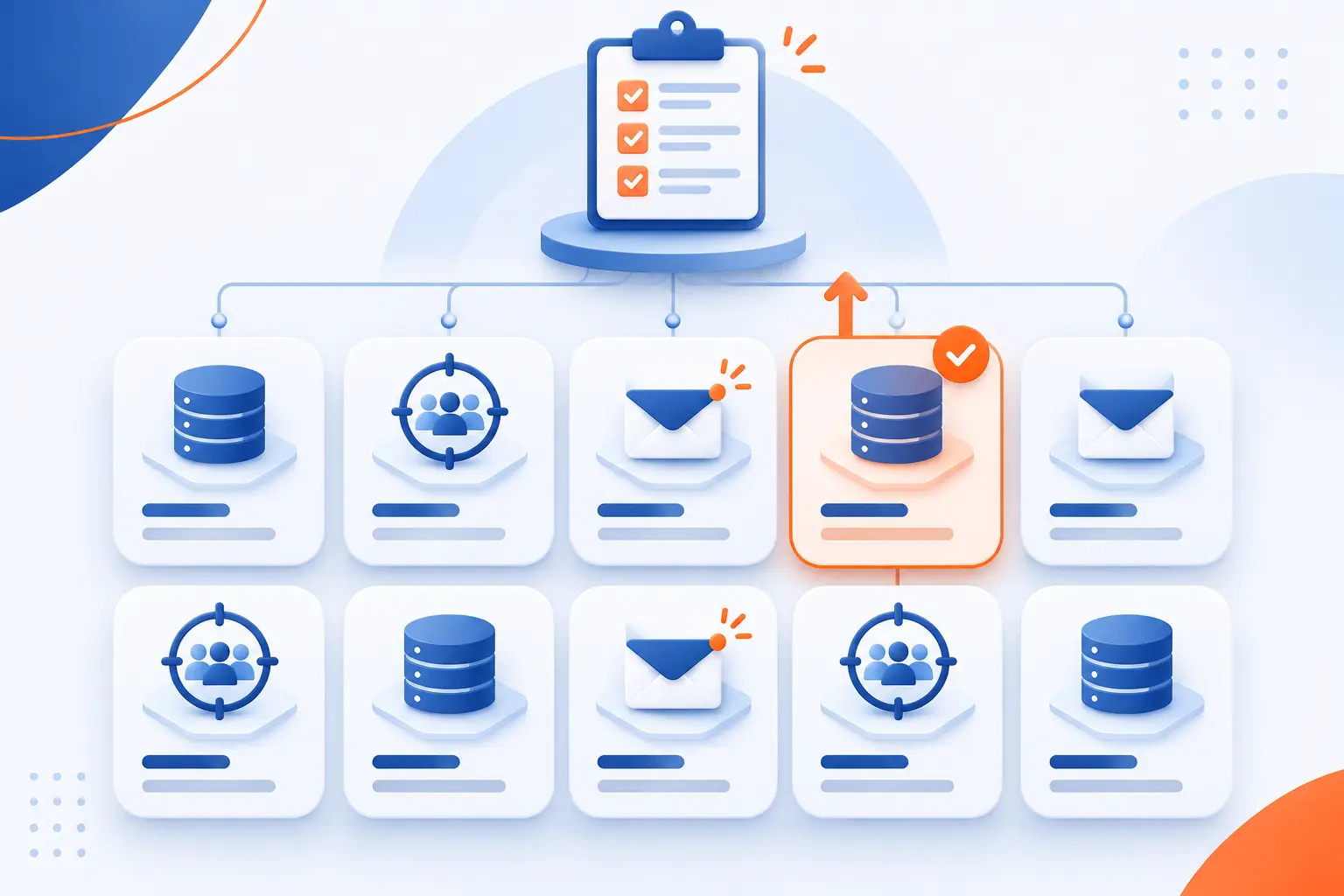
These platforms deserve the closest consideration when you need customer profiles that drive measurable actions. We distinguish infrastructure-led products from tools with built-in messaging. That distinction matters more than the number of features on a sales slide.
1. Salesforce Data 360

- Category: Enterprise data platform with CDP capabilities
- Best for: Organizations already centered on Salesforce
- Ease of use: Specialist setup, with business-facing segmentation
- Pricing: Credit-based or profile-based packages
- Standout feature: Customer context connected to Salesforce applications
For organizations already invested in Salesforce, the strongest argument is proximity to the systems where customer decisions happen. Unified information can support marketing, service, sales, and Agentforce rather than becoming another isolated audience database. That ecosystem fit earns this platform its opening position.
Our reservation is equally clear. Data 360 is a broad enterprise platform, not a simple contact-cleaning subscription. Buyers need to distinguish the data work they require from the wider AI and enterprise-context capabilities Salesforce promotes.
We would shortlist it when connected Salesforce workflows are the intended outcome. We would be less enthusiastic if the project merely needs occasional audience exports to an unrelated messaging tool.
How Salesforce Data 360 works
The documented workflow starts by connecting source data, then transforming and mapping it into a common model. Salesforce distinguishes incoming data structures from the objects used for downstream harmonization. Identity rules then determine which records belong together.
The official connection and transformation walkthrough explains how CRM connectors, mapping, and identity resolution contribute to unified profiles. Those profiles can support calculated insights, segmentation, and activation.
Data federation is another important option. Rather than assuming every dataset must be copied into the platform, buyers can evaluate supported connections to existing data environments. However, federation does not remove the need to define identities, access permissions, or audience logic.
For a demonstration, we would request a complete business workflow. Show a source record, its mapped fields, the resulting customer profile, and the action taken elsewhere. That reveals more than an attractive profile screen.
Who is Salesforce Data 360 for?
Enterprise marketing operations teams, Salesforce administrators, and customer-service organizations are the clearest fit. It is especially relevant when different Salesforce applications need consistent customer context.
It also merits attention when an organization wants customer data available beyond campaign selection. Service decisions and AI-assisted workflows can make the broader platform relevant.
Small teams without Salesforce expertise should look elsewhere first. The documented modeling requirements and reviewer concerns make this a difficult purchase to justify for basic email segmentation.
Salesforce Data 360 pricing
- Flex Credits: $500 per 100,000 credits. Credits apply to Data 360 actions, with pre-purchase, pay-as-you-go, and pre-commit options.
- Profiles: $240 per 1,000 profiles annually. Includes profile-building actions and an associated allocation of Flex Credits.
- Enterprise Profiles: $420 per 1,000 profiles annually. Adds a larger credit allocation, Data Masking, and Ad Audience add-ons.
These are billing units, not a complete implementation quote. We would ask Salesforce to model the actual actions, profile volumes, and additional requirements against its published package details.
Pros and cons
Pros
- Salesforce application integration connects customer context to operational workflows.
- Federated access provides an alternative to copying every supported dataset.
- Different purchasing models let buyers compare consumption against profile-based commitments.
Cons
- Data streams, mapping, and identity rules require specialist configuration.
- G2 feedback repeatedly raises learning-curve and pricing-complexity concerns.
- The published unit prices do not establish the full project cost.
Salesforce Data 360 rating and reviews
- G2: rated 4.2/5 across 769 reviews.
The review page reinforces our central caution: configuration and cost understanding deserve attention before expansion. We would advance Data 360 when Salesforce integration is a requirement, not merely a convenient possibility.
2. Insider One

- Category: Customer engagement platform with embedded CDP capabilities
- Best for: Consumer brands coordinating personalized experiences
- Ease of use: Marketer-facing tools after integration
- Pricing: Sales-led custom agreement
- Standout feature: Data, personalization, and journey orchestration together
A consumer brand seeking fewer handoffs between audience creation and campaign execution should put this option near the top. Its proposition combines customer data management with personalization and cross-channel journeys. That makes it a different purchase from a standalone data pipeline.
The official pages emphasize connected engagement rather than infrastructure alone. Web experiences, email, app interactions, and messaging channels sit within the same broader platform story.
We like that direction for marketing-led projects. However, the breadth also creates a buying question: which capabilities are included in your agreement, and which require additional integration or commercial scope? The website’s platform overview cannot answer that for a specific account.
How Insider One works
The workflow begins with bringing customer information together and resolving identifiers into unified profiles. Marketers then define audiences using customer traits, behaviors, and preferences.
The official profile and segmentation overview describes identity management alongside ready-made filters and triggers. This provides the foundation for personalized experiences and journey entry conditions.
Journey orchestration connects those audiences to channel actions. The documentation-facing product pages show practical goals such as onboarding, upselling, and reengaging valuable customers. We would evaluate those as separate workflows rather than assume every journey behaves identically.
A useful demonstration should start with an actual identifier change. Ask how a browser visitor becomes a recognized customer after signing in. Then inspect what that changes in the audience and the next eligible message.
We would also ask the vendor to show exit conditions. Starting a campaign is straightforward to demonstrate. Preventing an unnecessary message after purchase or withdrawal of permission is the more revealing exercise.
Who is Insider One for?
Retailers, consumer service businesses, and app-based brands are natural candidates when personalization spans several channels. The platform is particularly relevant when marketing owns both audience strategy and journey execution.
It also suits buyers who want customer data work tied directly to visible experiences. A shared platform can make that relationship easier to understand than a collection of disconnected technical products.
Warehouse-first engineering teams seeking only data movement should compare Hightouch or RudderStack instead. We would also hesitate if the organization cannot assign technical ownership for identifiers and source integration.
Insider One pricing
- Custom agreement: No public plan price was available on the official pages we opened. The proposed scope should identify customer data management, journey orchestration, selected channels, and support.
We would not substitute a third-party estimate for an official quote. Request a breakdown separating platform access, selected products, messaging usage, onboarding, and ongoing services.
Also ask how the agreement handles growth. A useful proposal should explain what happens when profile volume increases or another channel enters the deployment.
There was no public pricing table to link during our research, so the practical next step is a scoped commercial discussion.
Pros and cons
Pros
- Customer data management connects directly to personalization and orchestration.
- Identity management and behavior-based filters support more than static contact lists.
- Channel options include web, email, apps, WhatsApp, and SMS.
Cons
- No public rate card supports a reliable self-service budget comparison.
- Unified profiles still depend on correctly integrated sources and identifiers.
- Its combined engagement scope is broader than necessary for pipeline-only projects.
Insider One rating and reviews
- G2: rated 4.7/5 across 1,430 reviews.
That review footprint is useful, but it covers the broader engagement product rather than an isolated identity engine. Our verdict is to shortlist Insider One when integrated execution is the goal, then prove the specific journeys and commercial boundaries.
3. Customer.io

- Category: Customer engagement platform with data integration capabilities
- Best for: Event-driven onboarding and lifecycle communication
- Ease of use: Accessible workflows with technical integration requirements
- Pricing: Published tiers with profile and messaging allowances
- Standout feature: Behavioral data connected to visual messaging workflows
Behavior-triggered messaging is the clearest reason to choose this platform over a broader enterprise data suite. Its strengths center on turning events, attributes, and relationships into relevant communication. We see it as an engagement-led option, not an automatic substitute for every enterprise CDP capability.
That distinction matters for buyers comparing customer data platforms by category labels alone. A product team wanting better onboarding may find the direct messaging workflow more useful than sophisticated data federation.
Conversely, a business needing extensive identity governance across unrelated enterprise applications should inspect the boundaries carefully. The right question is whether the platform supports your required data relationships and destinations, not whether it appears in a CDP roundup.
How Customer.io works
The official onboarding sequence starts with a workspace and message channels. Teams then integrate their sources, add profiles, send events, create segments, and launch automations.
Customer information can arrive through APIs, SDKs, connected applications, and database or warehouse integrations. Its integration directory distinguishes incoming sources from outgoing destinations, which helps avoid assuming every connector works both ways.
In the automation setup guidance, campaigns and workflows connect audience conditions to actions. This is where product behavior becomes useful communication rather than another dashboard statistic.
For example, an onboarding design could depend on whether a customer completed a product action. That is a proposed workflow, not a result we measured. The important buying task is confirming that the required event arrives with the right identity and attributes.
We would also examine custom objects before selecting a plan. Account, subscription, or other non-person records can change how a business models relationships. Profile allowances therefore deserve more attention than a simple email-contact count.
Who is Customer.io for?
SaaS companies, subscription businesses, and product-led teams are strong candidates when communication follows customer behavior. It also fits organizations with developers available for initial instrumentation.
Marketers who want visual workflow control can benefit once the data foundation is dependable. The published packaging makes the entry point easier to assess than many enterprise-only competitors.
Look elsewhere first if the main requirement is enterprise-wide identity resolution independent of messaging. Teams expecting complex integrations to require no technical work should also reset that expectation.
Customer.io pricing
- Essentials: Starts at $100 monthly, billed monthly. Includes 5,000 people-and-object profiles, a million monthly emails, a visual workflow builder, and basic data integrations.
- Premium: Starts at $1,000 monthly, billed annually. Adds custom volume pricing, premium integrations, expanded object types, and onboarding support.
- Enterprise: Custom pricing. Adds negotiated volume terms, priority technical support, audit and governance options, and expanded implementation arrangements.
The page marks some services as conditional, so confirm their inclusion in writing. Warehouse destinations and data replay also differ by tier.
Use the published allowances and feature matrix to compare your expected data relationships, messaging volume, and support requirements.
Pros and cons
Pros
- Visual workflows connect behavioral events to cross-channel messaging.
- Custom objects support data beyond individual contact attributes.
- Published tiers expose meaningful integration and governance differences.
Cons
- Essentials excludes warehouse destinations and data replay.
- G2 reviewers request deeper reporting and easier debugging for complex workflows.
- Reviewers also flag a learning curve for advanced integrations and segmentation.
Customer.io rating and reviews
- G2: rated 4.4/5 across 1,002 reviews.
We would choose Customer.io for a clearly defined lifecycle messaging project. Its value is easier to defend when the required events, relationships, and campaign outcomes are already understood.
4. Bloomreach

- Category: Personalization and marketing platform
- Best for: Commerce-focused customer engagement
- Ease of use: Marketer-facing tools after customer and catalog integration
- Pricing: Custom quotes by selected products and scale
- Standout feature: Customer context connected to product information
Commerce teams should pay particular attention to the connection between customer behavior and product context here. Audience membership alone is not the whole proposition. The platform also connects personalization, campaigns, recommendations, and commerce-related experiences.
Our review focuses on its customer data and marketing automation capabilities. Bloomreach also sells ecommerce search and other products, so the company name does not identify a single all-inclusive package.
That distinction prevents a common buying mistake. A capability appearing elsewhere in the product portfolio should not be treated as included in a marketing agreement. We would make the proposed product scope explicit before comparing costs.
How Bloomreach works
The marketing automation product brings together customer and product data from websites, CRM systems, warehouses, and offline sources. The resulting customer view informs campaigns and personalization.
Its official data-to-campaign workflow separates data, campaigns, and analytics. That structure is useful for buyers because it connects source integration to activation and measurement.
The published capabilities include web and app personalization, audience targeting, journey orchestration, and experimentation. Loomi adds AI-assisted capabilities across the wider platform.
We would evaluate these features with a catalog-aware use case. Ask the vendor to demonstrate how customer behavior changes recommended content. Then inspect the underlying customer and product fields used in the decision.
Next, examine the result when product information changes. If an item becomes unavailable or a customer completes a purchase, the desired campaign behavior should be explicit. Those are pilot requirements, not outcomes guaranteed by a personalization label.
Finally, ask which analytics are native to the proposed product. Revenue reporting, experimentation, and wider business analysis serve different purposes. A campaign dashboard should not automatically become your financial source of truth.
Who is Bloomreach for?
Retailers, ecommerce brands, and businesses with meaningful product catalogs are the strongest candidates. It is especially relevant when marketing wants customer data connected to onsite and outbound experiences.
Organizations considering related commerce products may also appreciate the broader portfolio. However, that potential should not replace a specific integration and licensing review.
We would look elsewhere for a pipeline-only requirement or a simple B2B contact workflow. A warehouse activation tool or lighter messaging platform may match those jobs more closely.
Bloomreach pricing
- Marketing Automation: Custom pricing. The published scope includes native channels, web and app personalization, advertising activation, journey orchestration, and A/B testing.
- Email (ESP): Custom pricing. The listed capabilities include individualized send timing, automated test selection, and send-level revenue reporting.
- Ecommerce Search: Custom pricing. Includes site search, merchandising controls, recommendations, and related discovery capabilities.
These are separate product offers, not ascending CDP subscription tiers. The pricing process maps business scale to the relevant products and commercial metrics.
We would request an itemized proposal and compare it against the published product scope.
Pros and cons
Pros
- Customer and product data contribute to the same personalization workflow.
- Marketing Automation includes web, app, advertising, and journey capabilities.
- Experimentation is explicitly part of the marketing product’s listed scope.
Cons
- No public subscription amounts support a reliable self-service cost comparison.
- Search, email, and automation are distinct offers that require scope clarification.
- Customer records and product information both need integration and ongoing ownership.
Bloomreach rating and reviews
- G2: rated 4.6/5 across 843 reviews.
The review listing covers the broader Bloomreach product offering, so it should not be read as a standalone identity-resolution score. We would shortlist it when commerce personalization is central, then validate the exact products required.
5. Tealium AudienceStream

- Category: Independent CDP and data orchestration platform
- Best for: Connecting customer context across an existing stack
- Ease of use: Configuration-heavy, with marketer-facing audiences
- Pricing: Consumption-based, with quote-based CDP packaging
- Standout feature: Profiles and connector-driven activation
Keeping existing marketing tools is a stronger reason to consider this platform than replacing them all. AudienceStream centers on unified customer profiles, audiences, and actions across connected systems. We see it as an orchestration choice for buyers who value independence from a single campaign suite.
The official product page positions it around understanding customers and activating that understanding throughout the stack. That is materially different from choosing a platform primarily for its email editor.
We would shortlist it when data collection, profile enrichment, and cross-tool activation need a shared operating layer. The trade-off is configuration responsibility. Someone must own the attributes, identity logic, connector behavior, and publishing process.
How Tealium AudienceStream works
The documented platform structure separates sources, attributes, visitor stitching, audiences, connectors, validation, and analysis. Those are useful distinctions when planning responsibilities.
Source events supply the information used to enrich visitor profiles. Identity configuration determines when activity can be associated with the same customer. Audience definitions then determine which profiles qualify for activation.
Connectors carry those decisions into downstream tools. Rather than assume a listed integration supports every desired operation, we would inspect the available action and required fields.
Tealium also exposes validation tools, including Trace and event-health capabilities. Its documentation navigation makes monitoring part of the workflow rather than treating integration as a one-time setup task.
For a buying demonstration, we would follow a visitor from an incoming event to an enriched attribute and audience change. Then ask the vendor to show the connector request and its delivery status.
Consent deserves its own check. A profile appearing in an audience does not, by itself, establish permission for every downstream action. Demonstrate both an eligible activation and a blocked activation.
Who is Tealium AudienceStream for?
Enterprise marketing operations and data teams with several existing destinations are the clearest fit. It is also relevant when collection and governance need coordination across business units.
Teams that want to preserve their current engagement platforms should give it serious consideration. The orchestration model can be more appropriate than buying another campaign application.
Buyers seeking a lightweight, all-in-one newsletter tool should look elsewhere. We would also avoid treating its cheapest activation package as equivalent to a complete AudienceStream deployment.
Tealium AudienceStream pricing
- Data Cloud Activation: $1,000 monthly, billed annually. Includes reverse ETL, Context API, data transformation, and enterprise service and security provisions.
- Data Collection: Custom quote. Adds client- and server-side collection, real-time activation, consent capture and enforcement, and observability features.
- CDP: Custom quote. Adds packaged and composable options, real-time profiles and identity, enriched insights, and personalization capabilities.
The entry activation package is not the full CDP package. Ask which products, events, and support provisions the proposed AudienceStream deployment requires.
Tealium’s service materials also distinguish subscription charges from implementation and training. We would model those separately rather than hiding them inside a software-only comparison.
Use the published package boundaries to structure that discussion.
Pros and cons
Pros
- AudienceStream connects unified profiles to external activation tools.
- The documented workflow includes attributes, audiences, connectors, and validation tools.
- Packaging explicitly supports both managed and composable approaches.
Cons
- Full CDP pricing requires a quote rather than the activation package’s advertised rate.
- Implementation and training can sit outside the subscription.
- Downstream campaign execution still requires evaluation of the connected tools.
Tealium AudienceStream rating and reviews
- G2: the broader Tealium listing is rated 4.3/5 across 486 reviews.
That consolidated listing should not be mistaken for an AudienceStream-only score. Our verdict is positive for independent orchestration, provided the project has a clear technical owner.
6. Klaviyo

- Category: B2C engagement platform with customer data products
- Best for: Ecommerce teams connecting customer data to marketing
- Ease of use: Accessible campaign tools, with deeper data configuration as needed
- Pricing: Free entry plan and configurable paid products
- Standout feature: Embedded data connected to commerce-oriented messaging
An ecommerce business may already have enough embedded customer data capability here to avoid buying a separate enterprise suite. The platform combines marketing with customer profiles, segmentation, reporting, and optional advanced data functionality. We would start by examining that existing scope before adding another system.
However, basic marketing access and Advanced Klaviyo Data Platform are not interchangeable. The official product pages distinguish standard capabilities from advanced transformations, warehouse connections, and customization.
That distinction makes Klaviyo appealing for staged adoption. A team can evaluate its immediate marketing needs first. More advanced data requirements should then receive their own commercial and technical review.
How Klaviyo works
The basic workflow begins with syncing contacts and activity from connected systems. Marketers use that information to build segments, create campaigns, and configure automated flows.
The platform supports common commerce integrations, including Shopify, WooCommerce, and BigCommerce. Those connections are relevant because orders, products, and customer activity can inform marketing decisions.
The advanced product documentation overview adds a separate layer. It describes no-code tools for cleaning and standardizing data, importing enriched attributes, and exporting information to supported warehouse environments.
The product page also distinguishes predictive customer lifetime value from custom lifetime-value configuration. That is a useful example of why buyers should inspect feature boundaries rather than assume every analytics capability requires an upgrade.
For a demonstration, we would compare the same workflow with and without Advanced KDP. Ask which transformation, export, or custom prediction requirement actually changes the buying decision.
We would also inspect how audience conditions affect a flow before a message is sent. The relevant outcome is correct targeting, not simply having more fields available on a profile.
Who is Klaviyo for?
Ecommerce marketers and growing B2C brands are the most obvious fit. It is particularly relevant when the immediate goal is better segmentation and messaging using commerce activity.
Existing customers should evaluate the native data tools before purchasing a separate CDP. That does not guarantee a separate system is unnecessary. It does establish a sensible baseline for comparison.
Organizations seeking a neutral enterprise data layer across many unrelated business systems should compare broader alternatives. We would also look elsewhere if campaign execution is irrelevant to the project.
Klaviyo pricing
- Free: No subscription charge. Includes up to 250 profiles, 500 monthly emails, mobile-message credit, and built-in reporting.
- Marketing: Configurable paid pricing. The official page separates this solution from Data + Analytics and Service rather than presenting one universal subscription amount.
- Advanced Klaviyo Data Platform: We could not verify a reproducible public starting total from the rendered pricing page. Confirm the quote for advanced transformations, warehouse connectivity, and custom data requirements.
- Enterprise: Sales-led pricing. The pricing interface directs larger requirements to a commercial discussion.
We have deliberately omitted familiar third-party starting-price figures because the opened page did not substantiate them. Also, free marketing access should not be described as free access to every advanced data feature.
Configure the relevant products and allowances on the official pricing interface before comparing proposals.
Pros and cons
Pros
- Customer activity, segments, campaigns, and flows sit within the same platform.
- Advanced KDP includes no-code data cleaning and standardization tools.
- Supported warehouse connections extend the platform beyond campaign reporting.
Cons
- The free marketing plan does not establish entitlement to Advanced KDP.
- Separate product and usage selections complicate a simple headline-price comparison.
- Its commerce and engagement focus may not match a neutral enterprise infrastructure project.
Klaviyo rating and reviews
- G2: rated 4.6/5 across 1,371 reviews.
Reviews cover the wider platform, not just Advanced KDP. We would shortlist Klaviyo for commerce-led engagement and require a separate justification for advanced data spending.
7. Adobe Real-Time CDP

- Category: Enterprise CDP built on Adobe Experience Platform
- Best for: Governed audience activation across complex organizations
- Ease of use: Specialist setup with marketer-facing audience tools
- Pricing: Edition and profile-volume quote
- Standout feature: Identity, audiences, and data-use controls together
Governance belongs near the beginning of the buying discussion for this enterprise option, not at the end. Adobe combines customer and account data, identity services, audience management, and activation with data-use policies. That makes it particularly relevant when several teams share sensitive customer context.
The platform also deserves attention from organizations already using Adobe’s experience products. However, ecosystem familiarity should not substitute for checking the required edition, connectors, and downstream applications.
We see it as a substantial data program rather than an isolated marketing installation. Its modeling and governance requirements can be valuable, but they also create work that smaller buyers may not need.
How Adobe Real-Time CDP works
The official workflow begins by connecting sources and mapping information to Experience Data Model schemas. Teams then configure identities and merge policies to build customer profiles.
Governance labels and policies define permitted uses. Audience creation follows that foundation, and destinations receive the resulting data for activation.
Adobe distinguishes the Real-Time CDP application from the Experience Platform services underneath it. The application uses shared ingestion, identity, profile, segmentation, and governance capabilities rather than requiring buyers to assemble an unrelated foundation themselves.
Its product page also describes warehouse connectivity that can enrich audiences without copying the underlying datasets. We would verify supported data sources and feature boundaries for the proposed configuration.
For a demonstration, ask the vendor to show both an allowed audience export and a prohibited one. That exposes whether governance exists as an enforced operating control or merely a documented policy.
Next, inspect account-level requirements. A company marketing to individuals and business accounts should not assume a consumer-only edition covers both situations.
Who is Adobe Real-Time CDP for?
Large B2C brands, B2B organizations, and businesses combining both models are the primary candidates. It is particularly relevant when data governance and audience activation must work across teams.
Organizations with Adobe expertise may find the shared platform concepts easier to adopt. Nevertheless, the required schema and identity decisions still need named owners.
Small businesses looking for quick email automation should look elsewhere. We would also be cautious if the organization lacks the capacity to maintain schemas, policies, and destination integrations.
Adobe Real-Time CDP pricing
- B2C Edition: Custom pricing based on profile volume. Supports consumer profiles, identity management, segmentation, activation, and governance.
- B2B Edition: Custom pricing based on profile volume. Adds business-oriented capabilities such as account and opportunity profiles and lead-to-account matching.
- B2P Edition: Custom pricing based on profile volume. Supports combined consumer and business relationships, including hybrid person profiles.
Adobe publishes edition boundaries rather than subscription amounts. The package matrix is useful because consumer and account capabilities do not appear identically across every edition.
We would request a written scope covering connectors, sandbox access, activation requirements, and any adjacent application licenses. A CDP audience does not automatically mean every campaign execution tool is included.
Compare the proposal with the edition and feature matrix.
Pros and cons
Pros
- Experience Platform provides shared identity, profile, and governance services.
- Separate editions address consumer, business, and combined relationships.
- Warehouse connectivity offers another route to audience enrichment.
Cons
- Experience Data Model schemas and merge policies require technical planning.
- Public pricing does not provide a fixed subscription amount.
- Campaign execution and adjacent Adobe products need explicit scope verification.
Adobe Real-Time CDP rating and reviews
- G2: rated 4.1/5 across 182 reviews.
The review footprint provides useful context, but it does not replace a governed activation pilot. We would shortlist Adobe when policy control and enterprise audience management justify the implementation burden.
8. Twilio Segment

- Category: Customer data infrastructure and modular CDP
- Best for: Developer-led collection across connected applications
- Ease of use: Technical instrumentation with business-facing activation options
- Pricing: Published pipeline tiers and custom full-CDP pricing
- Standout feature: Collection, unification, and engagement as distinct components
Clean event collection is the strongest starting point for this modular option. Segment connects application activity to analytics, marketing, and warehouse destinations. Its full CDP offering then adds profile unification and audience activation.
The distinction between Connections and the complete platform is essential. Buying a pipeline does not automatically provide the same identity and audience capabilities as purchasing the broader CDP.
We like this modularity for teams that know where their immediate problem sits. It lets a collection project remain a collection project. However, buyers must price the eventual destination rather than compare an entry pipeline rate with an enterprise CDP quote.
How Twilio Segment works
Developers instrument sources using SDKs or APIs. Events and customer attributes flow into Connections, which routes data to configured destinations.
The documented event specification gives teams a consistent structure for activity and associated properties. That structure matters because downstream tools need understandable, dependable inputs.
For the full platform, Connections works with Unify and Engage. The official collection-to-activation overview describes unified profiles, advanced audiences, journeys, and warehouse enrichment.
Governance capabilities should be evaluated separately from basic event transport. The presence of a working integration does not prove that the event taxonomy is correct or that restricted fields cannot reach the wrong destination.
We would demonstrate the same event in the source debugger and the destination. Then inspect how identity changes after login, and whether the chosen package supports the intended profile and audience behavior.
Existing downstream tools remain relevant. Segment can distribute information across a stack, but it does not make every destination’s reporting, delivery behavior, or audience limitations disappear.
Who is Twilio Segment for?
Product companies, engineering-led organizations, and businesses with several analytics or engagement destinations are strong candidates. It is particularly useful when repeated point-to-point integrations have become difficult to govern.
Teams planning a staged deployment should also consider it. They can evaluate collection separately from the business case for managed profiles and advanced activation.
A small team needing only an email campaign tool should look elsewhere. We would also question the purchase if nobody owns event naming, instrumentation changes, and destination mapping.
Twilio Segment pricing
- Free Connections: $0 monthly. Includes 1,000 monthly visitors, two sources, a warehouse destination, and reverse ETL allowances.
- Team Connections: Starts at $120 monthly. Includes 10,000 monthly visitors, unlimited sources, public API access, and a larger reverse ETL allowance.
- Business Connections: Custom pricing. Supports negotiated volume, governance options, and advanced roles and permissions.
- Customer Data Platform: Custom pricing for Connections, Unify, and Engage. Adds governed identity-resolved profiles, advanced audiences, and journey activation.
Connections pricing scales with monthly tracked users, including identified or anonymous users collected during the billing period. Confirm how your websites and applications contribute to that total.
The pipeline plans and product distinctions clarify why a low collection price is not a full-CDP quote.
Pros and cons
Pros
- Connections separates event transport from optional profile and engagement capabilities.
- SDKs, APIs, destination integrations, and debugging tools support developer-led implementation.
- Warehouse data can contribute to the broader customer view.
Cons
- Full identity and audience requirements cannot be priced from Free Connections alone.
- G2 reviewers flag event-taxonomy design and rising costs as practical concerns.
- Destination-specific behavior still needs independent validation.
Twilio Segment rating and reviews
- G2: rated 4.5/5 across 567 reviews.
We would shortlist Segment when dependable collection and connected activation are both relevant. Define the required modules before comparing its commercial offer with packaged competitors.
9. Hightouch

- Category: Composable CDP and warehouse activation platform
- Best for: Organizations with established warehouse models
- Ease of use: Business-facing audiences on a technical data foundation
- Pricing: Product selection and usage-based quote
- Standout feature: Warehouse-centered activation with detailed sync controls
When trusted customer models already exist in your warehouse, rebuilding them elsewhere can be hard to justify. Hightouch makes that existing foundation central to activation. Its combination of reverse ETL, audience tools, and operational controls earns our strongest warehouse-oriented assessment.
The qualification is important. A warehouse containing raw tables is not necessarily ready for marketing activation. Someone still needs to define customer records, relationships, permissions, and usable attributes.
We would shortlist this platform when those foundations exist or have committed owners. It is less compelling as a shortcut around unresolved data modeling work.
How Hightouch works
The basic reverse ETL workflow connects a source, defines a model, maps fields, and configures a sync. A model can begin with a table or SQL query. The destination receives the selected records according to the chosen schedule or trigger.
The official field-mapping and sync workflow describes recurring and low-latency activation options. It also documents operational features such as row-level debugging, alerts, version control, and staging.
Customer Studio adds audience creation for business users. Identity Resolution, Events, and Real-time Personalization appear as additional product choices rather than assumptions attached to every reverse ETL deployment.
That modularity supports a focused purchase. For instance, a team may need audience activation from existing models without replacing its collection system. Another business may require additional identity or event capabilities.
We would make the demonstration follow the destination record, not stop at the audience preview. Show field mapping, the actual request, a failed record, and recovery. Those details determine whether activation remains manageable after launch.
We would also confirm the data storage and processing arrangement for each selected module. The reverse ETL page describes customer-controlled storage and processing choices, but buyers should not generalize one module’s design to every product.
Who is Hightouch for?
Data-mature organizations using platforms such as Snowflake, Databricks, BigQuery, or Redshift are the clearest candidates. Marketing teams benefit when dependable models can become audiences without repeated custom exports.
Engineering and analytics teams should remain involved. A marketer-facing interface does not remove responsibility for model correctness, warehouse access, or source freshness.
Look elsewhere first if you lack a dependable data foundation and need packaged messaging immediately. The warehouse-centered approach is a strength only when the warehouse can support the intended work.
Hightouch pricing
- Composable CDP: Custom, usage-based pricing. Buyers select products such as Reverse ETL, Customer Studio, Events, Identity Resolution, or Real-time Personalization. Listed inclusions include unlimited user seats, observability, access management, and dedicated support.
- Agentic Marketing Platform: Custom, usage-based pricing. The offer includes selected AI products, a preset allocation of personalized actions, enterprise security, and observability features.
The page does not publish a universal dollar starting point. We would therefore reject comparisons based on older self-service prices unless the vendor confirms their availability.
Ask for the specific billing unit for every selected module. Also model warehouse compute separately, because a software quote cannot establish the full cost of your underlying data environment.
The published product packaging makes the distinction between the composable and AI-oriented offers clear.
Pros and cons
Pros
- Table and SQL models connect existing warehouse logic to activation destinations.
- Row-level debugging and sync alerts expose operational failures.
- Version control, staging, and approval options support controlled changes.
Cons
- Warehouse models and access permissions need ongoing technical ownership.
- No public rate card establishes the cost of the complete selected configuration.
- Identity, collection, and personalization requirements must be scoped beyond reverse ETL.
Hightouch rating and reviews
- G2: rated 4.6/5 across 425 reviews.
We would put Hightouch near the front of a warehouse-led pilot. Its strongest case is activating trustworthy models, not compensating for models nobody maintains.
10. Treasure AI

- Category: Enterprise customer data and AI platform
- Best for: Complex unification with deployment flexibility
- Ease of use: Specialist data setup with marketer-facing activation
- Pricing: Annual data subscription with optional AI licensing and credits
- Standout feature: Managed, composable, and hybrid deployment choices
Deployment flexibility makes this option worth a serious enterprise evaluation. The platform offers a managed Complete CDP alongside composable and hybrid approaches. That gives buyers alternatives when customer data cannot sensibly follow one uniform architectural pattern.
Its website also emphasizes AI-assisted and agentic marketing. We would separate that story from the foundational buying decision. First establish whether unification, audiences, governance, and activation meet the requirement. Then evaluate what the AI features add.
This distinction is especially useful for organizations comparing a familiar Treasure Data deployment with the Treasure AI portfolio. Product names and broader positioning should not obscure the actual services in the proposed agreement.
How Treasure AI works
The data subscription includes ingestion, profile unification, segmentation, audience management, batch activation, and journey orchestration. It also lists governance controls, scripts, insights, and development environments.
The managed Complete CDP offering provides an alternative to operating the customer data foundation entirely in your own warehouse. The pricing materials also describe composable operation on supported warehouse environments.
Marketing-facing tools sit above that foundation. Audience creation and campaign scheduling can become business-user activities after technical teams establish the underlying data.
AI Suites add engagement, personalization, and creative capabilities. Treasure AI Studio adds a conversational workspace using a shared credit model.
We would ask for a demonstration that distinguishes data preparation from business-user work. Which transformations require technical intervention? Which audience changes can a marketer safely make? The answer should be visible in the proposed deployment, not inferred from a broad no-code claim.
For hybrid requirements, follow one dataset through the complete route. Identify where it is stored, which system resolves identity, and where activation occurs. Architectural flexibility is useful only when the resulting responsibilities remain understandable.
Who is Treasure AI for?
Large organizations with varied source systems and substantial customer data programs are the strongest candidates. It is also relevant when managed and warehouse-centered deployment options both need consideration.
Teams seeking an enterprise data foundation plus optional AI-assisted activation may appreciate the breadth. However, those are separate evaluation questions and should receive separate acceptance criteria.
Small businesses seeking a straightforward contact-and-email subscription should look elsewhere. G2 feedback also suggests that nontechnical users should examine the learning curve carefully.
Treasure AI pricing
- Intelligent Customer Data Platform: Custom annual subscription based on profiles or behaviors. Includes ingestion and unification, segmentation, batch activation, journey orchestration, and governance.
- Treasure AI Suites: A fixed annual license per selected suite, plus consumption-based credits for real-time functionality. The listed suites cover engagement, personalization, and creative work.
- Treasure AI Studio: Included with a Treasure AI plan without a separate workspace license or seat charge. Conversations and execution use usage-based credits.
The vendor states that its CDP pricing does not depend on query volume or processing power. That does not mean every adjacent infrastructure or services expense disappears.
We would request a combined model covering the data subscription, selected suites, expected credit usage, implementation, and support. Use the published licensing structure to avoid mixing base-platform and AI costs.
Pros and cons
Pros
- Complete, composable, and hybrid approaches support different data environments.
- The base subscription lists unification, audiences, activation, and governance.
- AI licensing distinguishes annual suite fees from consumption credits.
Cons
- No public dollar amount establishes the full subscription cost.
- G2 reviewers describe a learning curve and technical requirements for advanced work.
- AI suites introduce commercial decisions beyond the foundational CDP subscription.
Treasure AI rating and reviews
- G2: the Treasure Data Customer Data Platform listing is rated 4.5/5 across 166 reviews.
Those reviews concern the established CDP offering, not a separate assessment of every newer AI feature. We would shortlist Treasure AI for complex enterprise unification, then evaluate the optional AI scope independently.
Five More Platforms Worth Considering for Specific Needs

These alternatives deserve attention when a narrower requirement matters more than broad CDP coverage. Some emphasize customer success, others marketing execution or developer-controlled infrastructure. Their lower placement does not make them weaker choices for those specific jobs.
11. Dotdigital

- Category: Marketing automation platform with embedded customer data
- Best for: Marketing teams combining customer insight and communication
- Ease of use: Business-facing campaign tools with integration requirements
- Starting price: Custom quote
Marketing teams that want customer data close to campaign execution should consider this alternative before buying separate infrastructure. Its offering combines customer data with automation, personalization, reporting, and channels including email, SMS, mobile push, and WhatsApp. We see it as a marketing-led choice rather than a warehouse engineering product.
The distinctive angle is the connection between customer understanding and day-to-day campaign work. Its official customer-data page emphasizes bringing information together without requiring a dedicated data team for every marketing task. We would treat that as a workflow proposition, not proof that integration work disappears. Ask which connectors and data structures your implementation needs. Then request a demonstration using the actual customer fields your marketers expect to select.
Pricing is tailored rather than published as a universal subscription amount. The official company page says the calculation combines marketable contacts and expected message volume. That distinction matters when your database contains people who cannot receive marketing. We would ask how the agreement defines marketable status and handles changes during a billing period. The published commercial explanation provides the starting point for that discussion.
Compared with the enterprise infrastructure options above, Dotdigital deserves a closer look when the project’s center of gravity is marketing automation. It should not advance merely because it includes a customer-data label. Confirm whether its embedded profiles, integrations, and reporting meet the actual requirement. Also establish which system remains authoritative for consent and customer identity.
Who is Dotdigital for?
We would shortlist it for marketing teams seeking connected campaigns and customer insight in the same environment. Engineering-led buyers needing independent warehouse activation should compare more infrastructure-focused products instead.
12. Planhat

- Category: CRM and customer success platform
- Best for: B2B account health, renewals, and customer operations
- Ease of use: Business-facing workflows built on integrated account data
- Starting price: Custom quote
Account health and renewal management call for a different kind of customer system than anonymous audience activation. Planhat belongs here because its commercial workflows can be the better answer to a CDP-shaped buying request. The official website positions it as a CRM with customer success and professional services capabilities, not as a conventional marketing CDP.
That distinction is its advantage. Customer success teams may need account context, revenue visibility, ownership, and coordinated action more urgently than advertising audiences. The platform’s data, collaboration, action, and governance capabilities support that operating model. We would inspect how product usage and commercial records become account-level workflows. A polished individual profile is less useful if the actual buying problem concerns a business account and its renewal.
The pricing page presents CRM, CSP, and PSA offers through an inquiry process rather than public subscription amounts. It also states that tailored onboarding and implementation services can be purchased separately. Dedicated customer success arrangements have minimum-spend qualifications. The published service and packaging details make those distinctions worth discussing before estimating total cost.
We would not substitute Planhat for a general-purpose event collection and advertising activation layer without validating those requirements. Instead, consider whether you need both kinds of system or only the account-oriented one. If a renewal team cannot see customer usage beside commercial context, solving that gap may matter more than building a broader marketing audience foundation.
Who is Planhat for?
B2B customer success, account management, and renewal teams should investigate it closely. Consumer marketers seeking identity resolution and cross-channel advertising audiences should begin with the more conventional CDP options.
13. Simon AI

- Category: Composable CDP and marketing platform
- Best for: Warehouse-connected lifecycle and performance marketing
- Ease of use: Marketer-facing activation with a technical data foundation
- Starting price: Custom quote
Lifecycle marketers with a warehouse foundation should evaluate this option alongside broader reverse ETL products. Simon AI combines a composable CDP proposition with Personalization Studio, AI agents, and strategic services. Its emphasis is marketing use of customer and contextual data, rather than data movement alone.
The official composable offering describes activation directly from cloud data. Its integration pages highlight relationships with Snowflake, Braze, Attentive, and The Trade Desk. Those connections suggest a useful evaluation path for teams keeping existing engagement destinations. We would ask the vendor to demonstrate the precise source-to-audience-to-destination route required. Integration availability should not be confused with support for every operation, field, or timing requirement.
The pricing page describes tailored, composable packages with selected add-ons. It also advertises a 90-day pilot, which is a commercial evaluation option rather than a guarantee about your implementation timeline. The published evaluation and packaging terms do not establish a public subscription amount. Ask whether pilot fees, implementation, strategic services, and production commitments are separate.
Its distinctive appeal is the combination of warehouse-connected data and marketing-oriented assistance. We would compare that experience against Hightouch using the same audience task, not a vendor-selected demonstration. Have marketers explain the audience, inspect the generated logic, and confirm the destination result. Also verify how approvals constrain AI-assisted changes. The product’s AI positioning should improve a defined workflow, not become the reason to purchase an otherwise unnecessary platform.
Who is Simon AI for?
We would shortlist it for marketing organizations that want warehouse-based activation plus guided adoption or AI-assisted execution. Teams seeking only inexpensive event transport should compare developer-focused alternatives first.
14. Blueshift

- Category: Customer engagement platform with embedded CDP and AI
- Best for: Behavior-based cross-channel campaigns and recommendations
- Ease of use: Marketer-facing journeys after source integration
- Starting price: Starter from $1,250 monthly, billed annually
Published entry packaging makes this alternative easier to budget initially than many sales-only enterprise offers. Blueshift combines profile unification, audience segmentation, campaign journeys, and customer AI. We would investigate it when the buying goal combines data and execution rather than separating them into different projects.
Its distinguishing feature in this tier is the explicit progression from core engagement to more advanced recommendations and optimization. The pricing page places CDP capabilities, Customer AI, and omnichannel campaigns together in Starter. That creates a clearer baseline for an initial conversation. However, the starting figure does not establish your complete cost at a particular profile or messaging volume. Request the relevant allowances and billing definitions.
Growth adds product and content recommendations, predictive timing and channel optimization, additional profile attributes, and expanded analysis and experimentation capabilities. Those are meaningful boundaries for buyers comparing basic segmentation with personalized decision-making. The published package inclusions also state that the vendor charges for profiles used rather than simply stored. We would ask exactly what activity makes a profile billable.
Compared with infrastructure-first platforms, Blueshift should be assessed through complete campaign tasks. Demonstrate source ingestion, audience qualification, recommendation selection, message execution, and reporting. Then inspect how a purchase or changed permission stops an inappropriate action. Its combined scope may reduce the number of products you need to evaluate, but only if the native channels and controls match your requirements.
Who is Blueshift for?
We would consider it for consumer businesses seeking customer data and cross-channel engagement in one commercial package. Warehouse-led teams that want to preserve every existing execution tool should compare composable options as well.
15. RudderStack

- Category: Developer-led customer data infrastructure
- Best for: Event collection, warehouse delivery, and technical control
- Ease of use: Engineering-oriented setup
- Starting price: Free plan, with Growth from $265 monthly
Developers who want control over collection and warehouse delivery should not overlook this final option. RudderStack combines event infrastructure, transformations, reverse ETL, and higher-tier profile capabilities. Its place in the compact tier reflects a specific technical buying situation, not a lack of relevance.
The clearest difference from engagement-led products is what the team owns. Engineers configure collection and data movement, while the warehouse remains central to downstream use. The homepage also describes APIs, command-line tooling, and infrastructure-as-code support. We would evaluate those capabilities against your existing development and deployment process. A technical team may value that control more than an integrated campaign editor.
The Free plan includes 250,000 monthly events, SDK sources, cloud and warehouse destinations, and reverse ETL. Growth includes a million monthly events at its listed entry configuration, with expanded tracking plans, team access, and synchronization options. Enterprise adds access to Profiles and Data Apps, advanced security options, and negotiated support. These distinctions appear on the published feature matrix, so free event transport should not be described as the entire profile product.
We would compare RudderStack with Segment using the same instrumentation and delivery requirements. Ask how schema changes, transformations, failed events, and identity-related data are handled. Also identify which higher-tier functionality the eventual production design requires. An inexpensive collection entry point is useful, but it cannot establish the full cost of a broader customer data program.
Who is RudderStack for?
Data engineers, product engineers, and warehouse-centered organizations are the strongest candidates. Marketers seeking an immediately usable, all-in-one campaign application should begin elsewhere.
How Customer Data Platforms Turn Fragmented Data Into Action
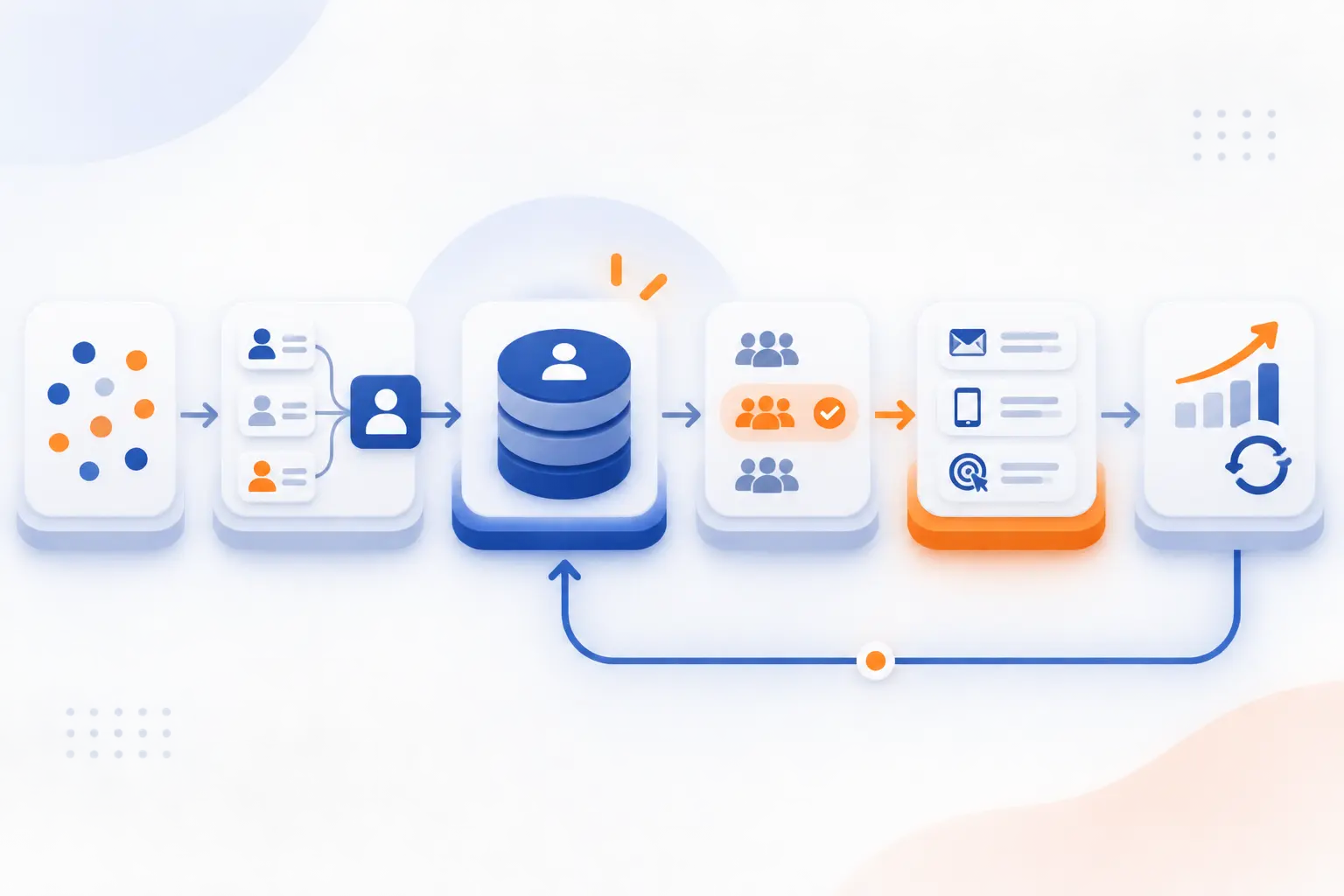
Customer data platforms become useful when they connect source activity to a correct, permitted business action. Collection, identity, audiences, activation, and feedback are related stages, but they are not the same capability. We would evaluate the entire route rather than buying on the strength of one attractive interface.
Collect and Normalize Online and Offline Customer Signals
Collection needs a shared event structure before it needs a larger connector catalog. Websites, apps, purchases, and service interactions should produce understandable records with consistent identities and properties.
For example, the official event payload specification separates an activity name from its associated properties. Use an explicit tracking design so downstream teams agree on what each event means.
Resolve Identities and Maintain Persistent Customer Profiles
Identity resolution determines which records represent the same customer. Its correctness matters more than the visual completeness of a profile.
We would document trusted identifiers, shared-device behavior, and rules for conflicting values. Ask vendors to demonstrate incorrect merges and the available recovery process, not just successful matches.
Build Dynamic Audiences From Behavior and Predictive Attributes
Dynamic audiences should change when the qualifying customer facts change. A purchase, subscription status, or behavioral signal can affect eligibility.
Predictive attributes add another decision layer, but their labels need definitions. Ask what outcome a score predicts, how it updates, and which customers are eligible for scoring.
Activate Profiles Through Native Channels or Connected Tools
Activation means making selected customer information usable in a destination or native experience. That could involve a message, an advertising audience, or an updated business record.
We would inspect supported actions, required identifiers, update behavior, and destination limits. A connector logo alone does not answer those questions.
Feed Campaign Results Back Into Segmentation and Analysis
Results should return to the data foundation so future decisions reflect what actually happened. Design the feedback route alongside the first activation.
Define which system owns purchases, deliveries, responses, and unsubscribes. Then reconcile those records before using them to drive additional campaigns or evaluate financial performance.
Which CDP Architecture Fits Your Existing Stack?
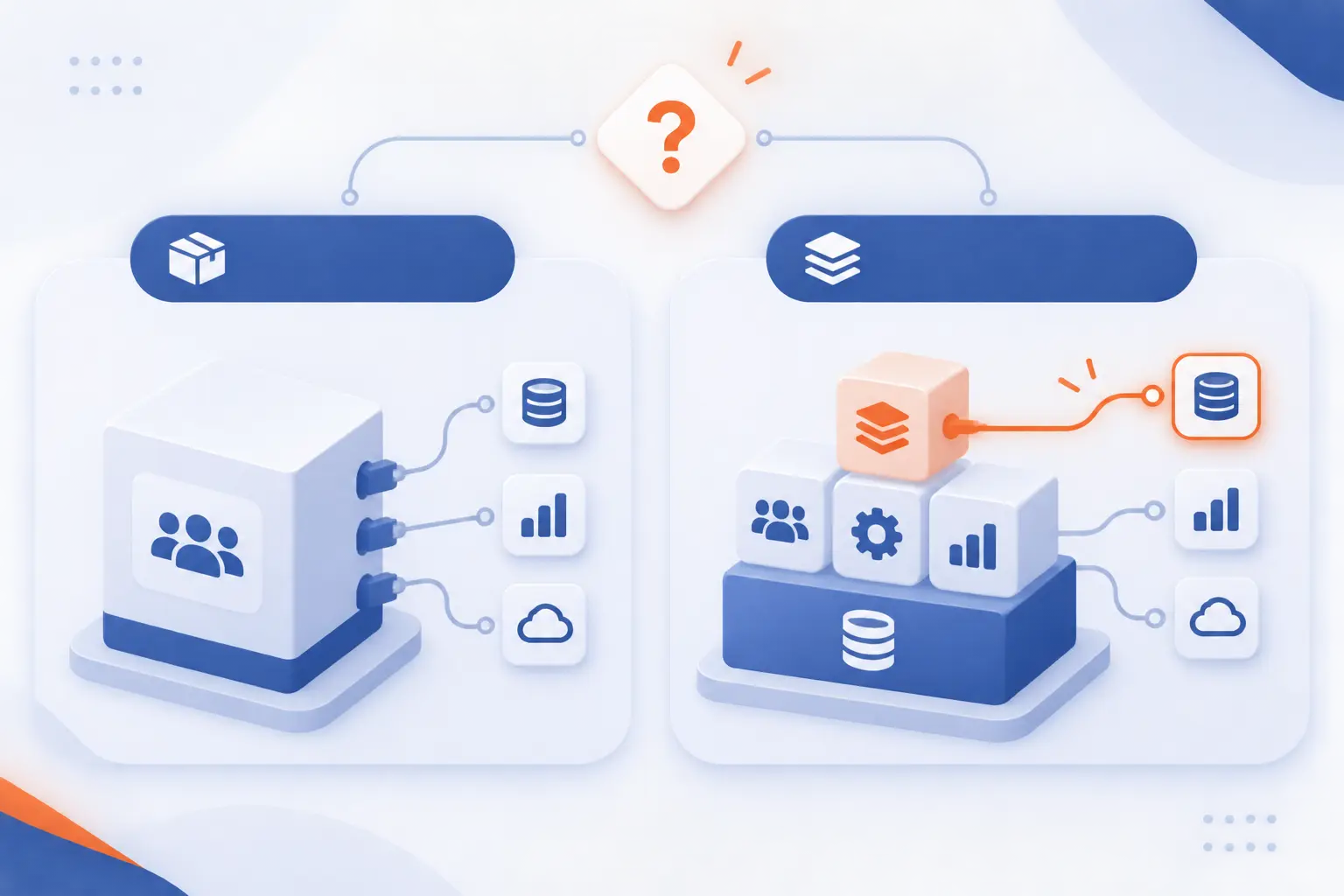
The right architecture follows your existing data foundation and operating responsibilities. Packaged platforms reduce some assembly work, while composable approaches keep warehouse models central. Neither approach eliminates integration, governance, or ongoing maintenance.
| Approach | Documented organizing principle | Primary buying question |
|---|---|---|
| Packaged | Vendor-managed profiles and audience tools | Which native tools replace existing products? |
| Composable | Warehouse models connected to activation | Who maintains the underlying customer models? |
| Developer-led | SDKs, APIs, and configurable data movement | Who owns instrumentation and destination delivery? |
| Ecosystem-centered | Shared services within a broader application platform | Which adjacent applications and licenses are required? |
Packaged Platforms With Managed Profiles and Built-In Tools
Packaged platforms are worth considering when you want managed profiles close to business-facing tools. Insider One and Bloomreach illustrate how customer data can sit beside personalization and campaign execution.
We would compare the capabilities included in the actual proposal. “All-in-one” positioning does not establish that every channel, analytics feature, or service is included.
Composable Platforms Built Around Your Data Warehouse
A composable approach is strongest when dependable customer models already exist in your warehouse. It should put those models to work rather than create unnecessary parallel definitions.
The official source, model, and sync concepts show how a dataset becomes usable in downstream applications. The business still needs owners for that dataset’s meaning and freshness.
Developer-Led Infrastructure and Hybrid Approaches
Developer-led infrastructure suits teams that need control over collection, transformations, and delivery. Segment and RudderStack make those responsibilities especially visible.
Hybrid designs may combine managed services with warehouse-based data. We would require a diagram identifying where each dataset resides and which system owns identity and activation.
Marketing Cloud Platforms and Ecosystem Dependencies
Ecosystem integration creates value when your operational applications already live there. Salesforce and Adobe are particularly relevant to that decision.
Ask which capabilities belong to the CDP and which require adjacent applications. Compare the complete workflow cost, not just the data product’s quoted subscription.
Data Access, Analytics, and Campaign Execution as Different Capability Layers
Accessing data, understanding it, and acting on it are different jobs. A product can be strong at one without replacing the others.
| Layer | What to demonstrate | What not to assume |
|---|---|---|
| Data access | Read, map, and deliver required records | Every connection provides customer identity resolution |
| Analytics | Explain audiences and campaign outcomes | A campaign dashboard replaces financial reporting |
| Execution | Send or update through the required destination | Audience creation includes native message delivery |
Where a CDP Fits Alongside Your Other Customer Systems
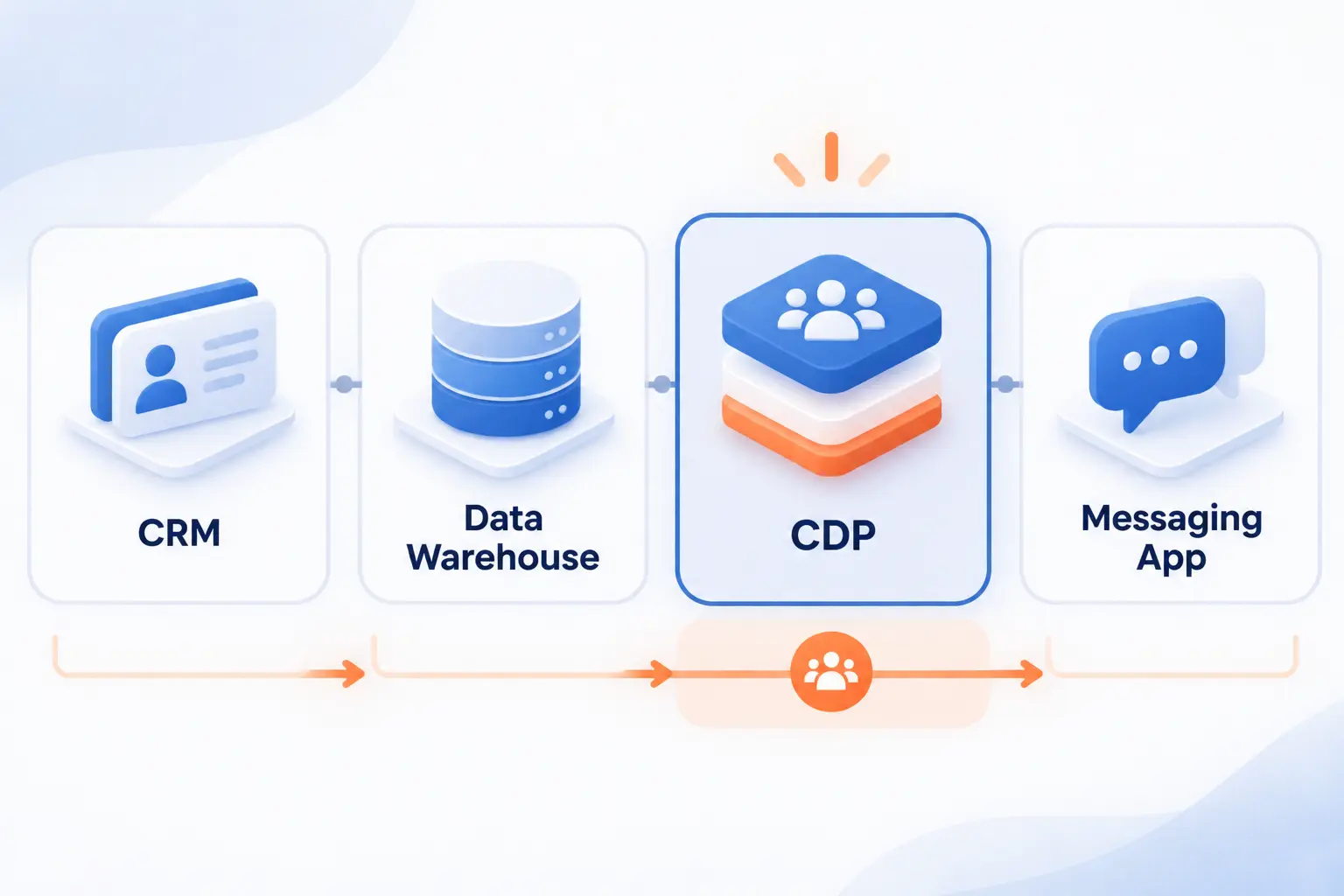
A CDP should complement your customer systems rather than blur their responsibilities. Before purchasing, decide which application owns relationships, raw history, audiences, and message execution. Overlapping features are manageable when ownership remains explicit.
CRM Systems for Managing Relationships and Commercial Workflows
A CRM primarily organizes customer relationships and commercial activity. Contacts, opportunities, service interactions, and account workflows belong in that discussion.
The official description of relationship and interaction management illustrates that operating role. We would not replace a functioning commercial workflow merely because another platform can store a customer profile.
DMPs for Advertising Audiences and Media Activation
Advertising audience requirements should be evaluated separately from persistent customer-profile requirements. Start with the intended media destination and its supported identifiers.
Ask whether you need advertising activation, owned-customer history, or both. Do not assume one system provides equivalent coverage simply because both can create an audience.
Warehouses and Data Lakes as the Underlying Data Foundation
Warehouses and data lakes can remain the foundation for customer history and analysis. A CDP purchase does not automatically justify moving every dataset elsewhere.
Define which information must be available for activation and which belongs in broader analytical storage. That boundary helps prevent duplicate models with conflicting definitions.
Marketing Automation and Engagement Platforms With Embedded CDP Capabilities
Embedded customer data tools may already cover your immediate campaign requirements. Customer.io, Klaviyo, Dotdigital, and Blueshift demonstrate that combined approach.
We would inventory those capabilities before buying another platform. A separate CDP should solve a documented gap, not merely add a more prestigious category label.
When a CDP Investment Makes Sense
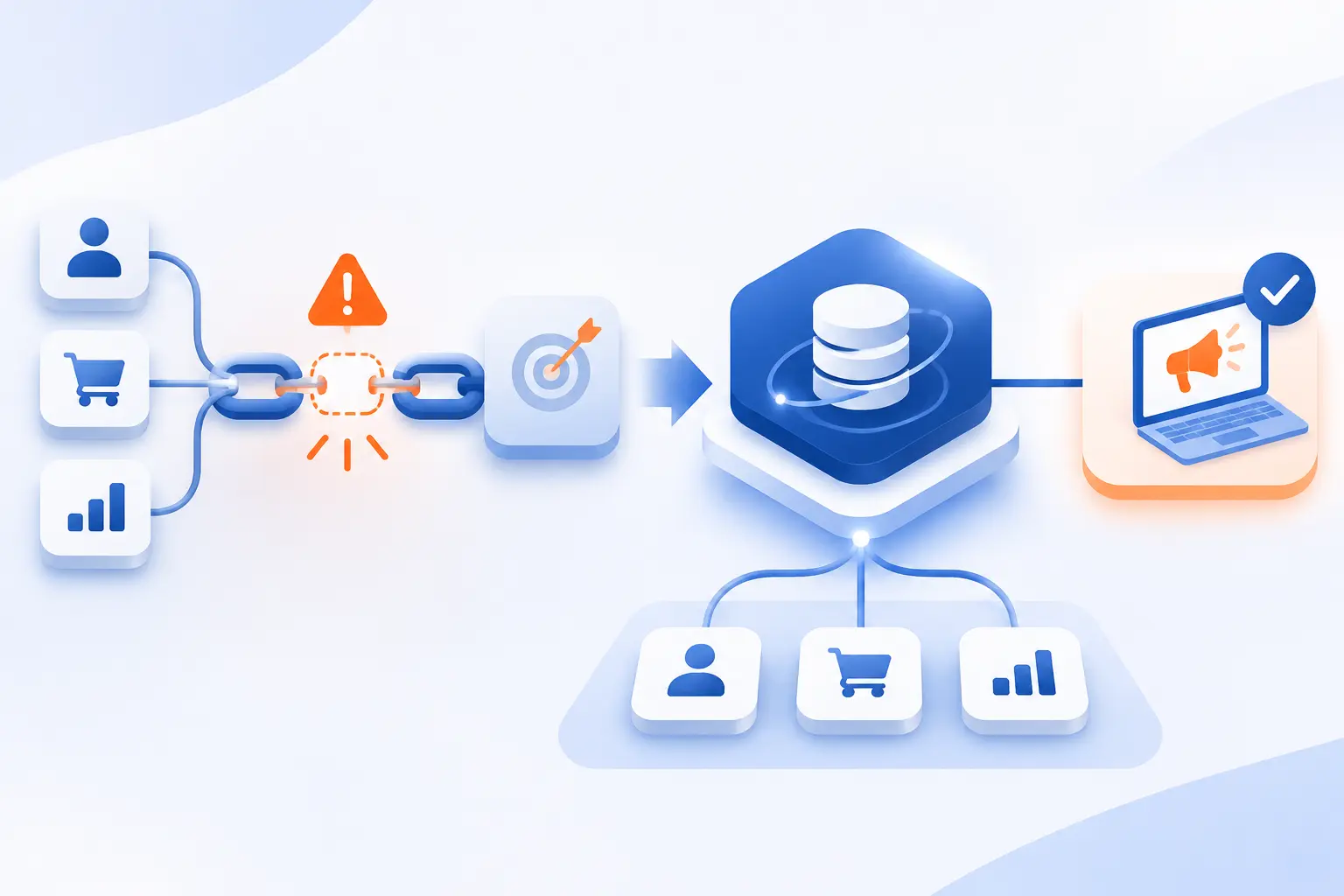
A CDP investment makes sense when fragmented data prevents a valuable action that existing tools cannot reliably deliver. Begin with the business problem and the missing capability. Buying a platform before naming those gaps makes the project harder to evaluate.
Identify Business Problems That Your Current Tools Cannot Solve
Name the blocked action before writing the requirements list. Examples might include excluding recent purchasers from advertising or coordinating subscription status across channels.
We would document the current process, its failure points, and the desired result. That becomes the basis for comparing vendors and judging a pilot.
Assess Data Quality, Integration Gaps, and Organizational Readiness
Readiness depends on usable identifiers and reliable sources, not simply having a large database. Inspect missing fields, conflicting values, and unclear event definitions.
Also identify required destinations and unavailable integrations. A clear gap analysis may reveal that better source integration matters more than a broader platform.
Confirm Marketing, Engineering, and Privacy Ownership
Shared ownership must be explicit before shared data becomes operational. Marketing should define the use case, engineering should own delivery, and privacy stakeholders should define permitted use.
Adobe’s documented policy and access controls illustrate why governance belongs inside the operating design. Software controls still require people to configure and maintain them.
Recognize When Simpler Automation or Better Data Hygiene Is Enough
A full CDP may be unnecessary when the problem is a missing event or inconsistent customer field. Repair that issue before adding another system.
We would favor a smaller change when existing automation can already execute the required action. Revisit the platform decision only when the remaining limitations are clear.
Practical CDP Use Cases by Industry

The most useful industry use cases connect a specific customer signal to an appropriate action. Treat the examples below as pilot designs, not promised revenue outcomes. Each requires correct identities, dependable source data, and permission-aware execution.
Retail and Ecommerce Cart Recovery, Recommendations, and Post-Purchase Ad Suppression
Retail pilots should prove both relevant follow-up and correct suppression after purchase. Connect cart activity, order status, and product information before evaluating more elaborate recommendations.
The official prebuilt automation examples show how commerce events can shape messaging workflows. We would still inspect source timing and purchase exclusions in your own configuration.
Media and Subscription Content Personalization and Churn Prevention
Subscription pilots should connect engagement signals with current entitlement and subscription status. A proposed retention audience is only useful if canceled, renewed, and active customers are classified correctly.
Evaluate personalized content separately from churn prediction. The first selects an experience, while the second requires a clearly defined outcome and evaluation method.
Financial Services Onboarding and Relevant Customer Communications
Financial services pilots should begin with narrowly defined onboarding or communication tasks. Keep marketing eligibility separate from operational message requirements.
We would require approval of the proposed fields, destinations, access rights, and retention arrangements before activating sensitive information. Let qualified internal reviewers determine the applicable obligations.
Travel and Hospitality Booking Journeys, Loyalty, and Timely Offers
Travel pilots should account for changing booking status before sending an offer or reminder. A cancellation or completed booking should change the next appropriate action.
We would also distinguish individual travelers from booking groups and loyalty accounts. Those relationships should be explicit in the data model rather than inferred from an email address.
B2B Account Matching, Customer Health, and Renewal Workflows
B2B pilots should prove the relationship between people, accounts, product usage, and commercial ownership. An individual audience is not a substitute for an account workflow.
Consider Planhat when customer success operations are the actual requirement. For broader activation, verify account-level capabilities in the proposed CDP edition.
How to Plan a CDP Rollout Without Creating More Data Silos
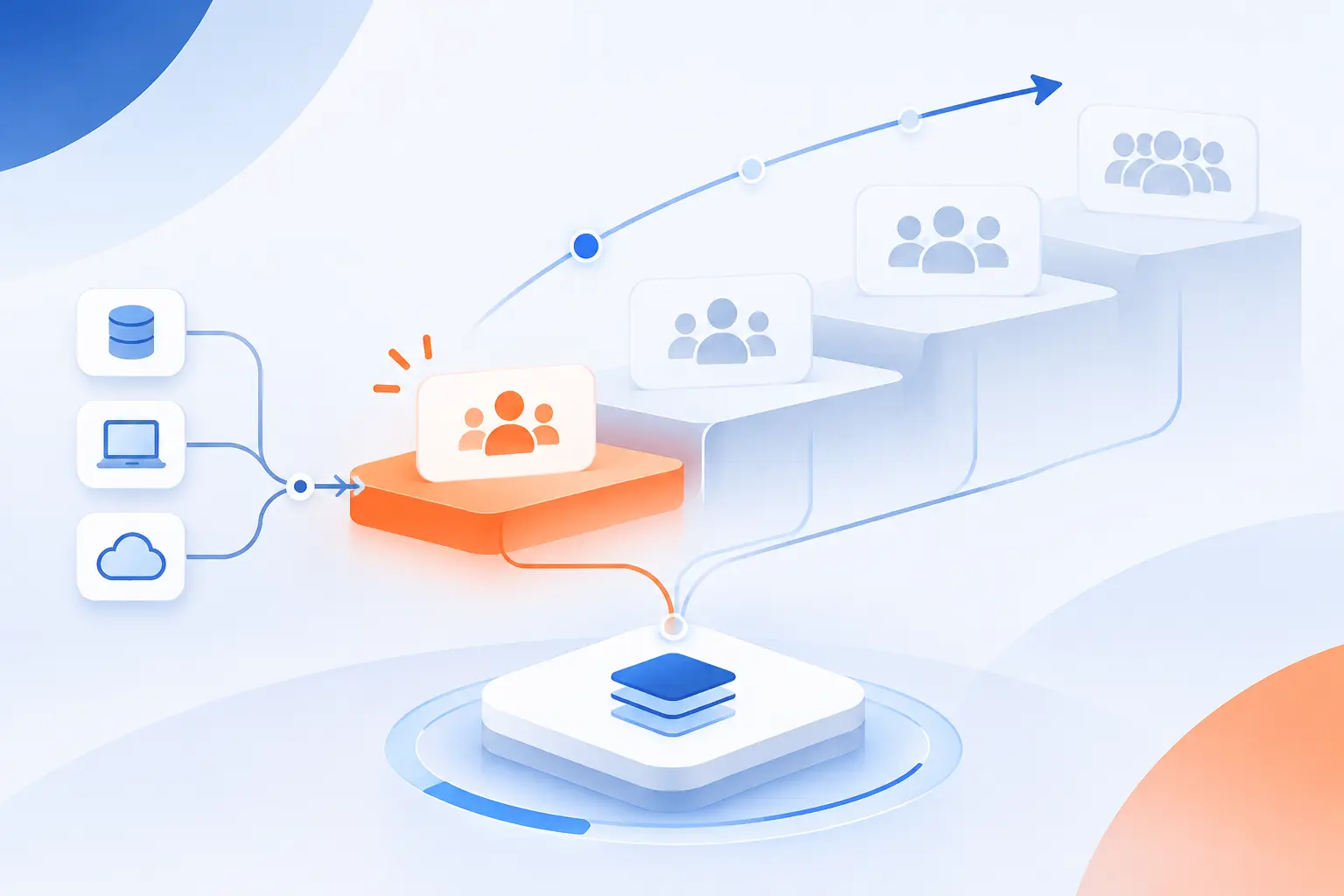
A controlled rollout starts with shared definitions and a narrow business outcome. Resist connecting every source immediately. Expansion is easier to justify after the initial route works and its owners can maintain it.
Choose One Measurable Use Case Before Expanding Scope
Choose a use case whose audience, action, and result can all be checked. Purchase suppression or a defined onboarding sequence can provide a more concrete starting point than broad personalization.
Write down what success means before requesting a demonstration. That prevents the scope from drifting toward whichever feature looks most impressive.
Inventory Data Sources, Owners, Formats, and Consent Preferences
An inventory should identify the source of every required field and its responsible owner. Include destinations as well as incoming systems.
We would record identifiers, update behavior, access requirements, and permission-related fields. Missing ownership should be treated as a rollout issue, not an administrative detail.
Standardize Event Schemas and Clean Existing Customer Records
Standardize names and field types before making them dependencies for campaign logic. Otherwise, similar-looking events can produce different audience results.
The official source schema guidance shows why event structure deserves active management. Use your tracking design to review changes rather than accepting every incoming field without scrutiny.
Assign Responsibilities and Train Technical and Business Users
Training should follow responsibilities, not give everyone the same tour. Engineers need integration and recovery procedures, while marketers need audience logic and activation controls.
Privacy and security stakeholders need a way to review permitted uses and access. Establish who can approve changes before production access expands.
Launch a Limited Pilot With Clear Acceptance Criteria
A limited pilot should prove correctness before broader adoption. Use a defined source set, audience, destination, and observation period.
- Record the expected source events and customer identities.
- Compare the resulting profiles and audience membership with expected records.
- Inspect destination delivery, blocked actions, and recovery behavior.
- Approve expansion only after the responsible owners accept the results.
Monitor Data Quality and Scale Gradually Across Channels
Expansion should follow stable operation rather than a launch announcement. Monitor missing events, unexpected audience changes, destination failures, and permission-related exclusions.
Each added channel creates another delivery route to verify. Keep a record of what changed and which owner accepted the new behavior.
What to Prove in a CDP Pilot Before Signing

A useful pilot proves the full customer-to-destination route under realistic conditions. Attractive audience counts are not enough. We would require evidence of freshness, identity correctness, recovery, and permission-aware delivery before accepting a production commitment.
Profile Freshness and End-to-End Activation Latency Under Load
Measure elapsed time from the source event to the usable destination result. Do not substitute ingestion speed for end-to-end activation speed.
The official source-dependent processing guidance shows why blanket real-time claims need qualification. Ask vendors to demonstrate the specific source and processing path your use case requires.
Identity Match Accuracy, False Merges, and Safe Unmerging
Identity evaluation should include deliberate difficult cases, not just clean matches. Use known examples involving shared devices, changed addresses, and conflicting identifiers.
Require the vendor to show how an incorrect merge is investigated and corrected. If reversal has limitations, record them before the purchase decision.
Connector Reliability, Schema Changes, and Failure Recovery
A connector should be judged by its failure behavior as well as successful delivery. Demonstrate an expired credential, rejected record, and changed field.
Ask how failures become visible and how processing resumes. Confirm whether replay creates duplicate actions or preserves the intended result.
Consent Propagation, Access Controls, and Downstream Deletion
Permission changes should be checked across the entire activation route. Demonstrate how a changed preference affects profile processing and downstream eligibility.
Separately inspect deletion requests and destination behavior. Do not assume removing a source record automatically removes every previously delivered copy.
Audience Accuracy, Trigger Safety, and Analytics Reconciliation
Audience membership should match an independently checked set of customer records. Compare inclusions and exclusions, not just totals.
Also demonstrate exit rules and repeated-trigger behavior. Reconcile reported results with the source systems before treating campaign metrics as business outcomes.
How to Budget for Customer Data Platforms and Measure ROI
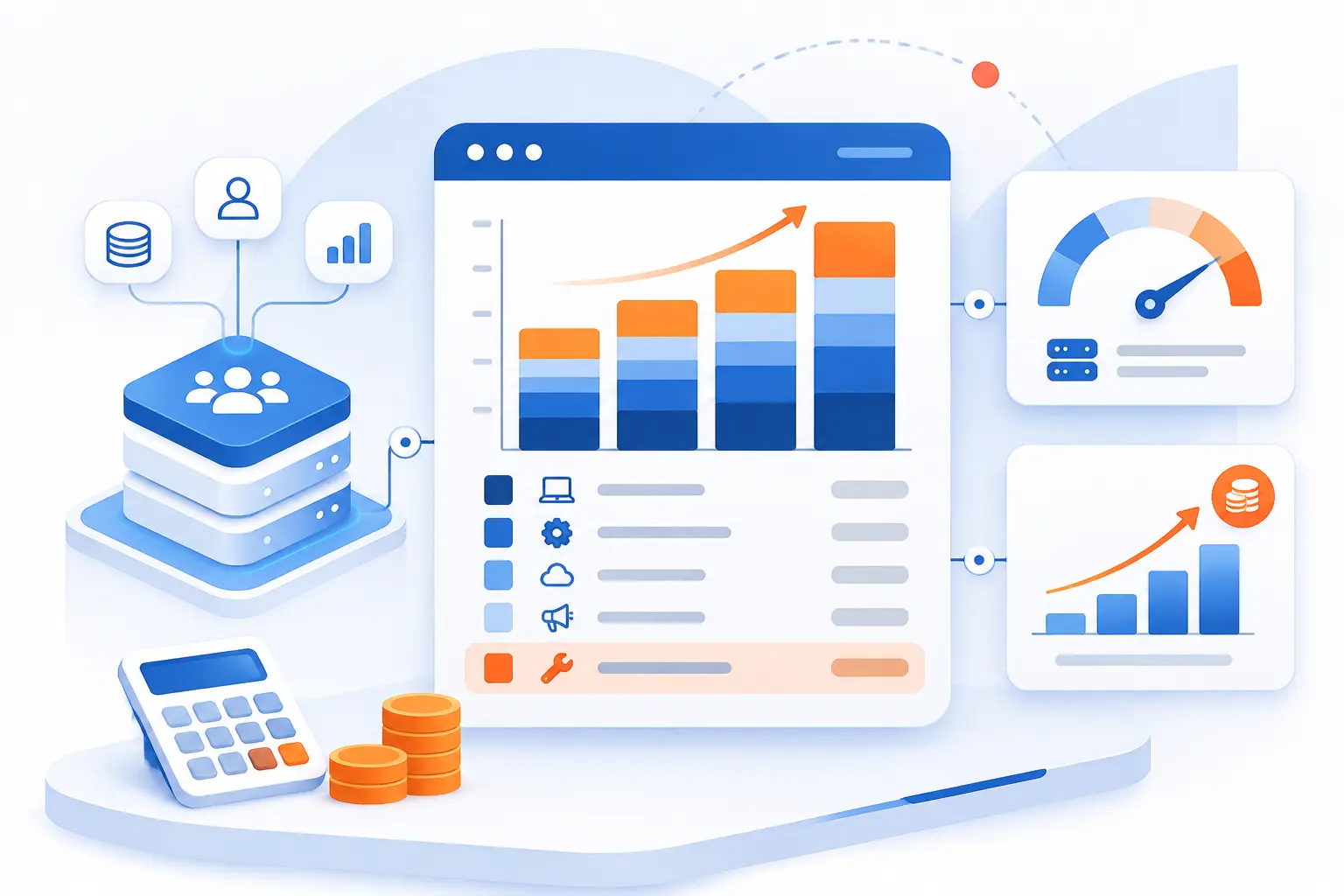
Budget for the complete operating design rather than the advertised entry package. Software, implementation, infrastructure, messaging, and maintenance may follow different billing rules. We would model those costs against the same expected workload for every shortlisted vendor.
Model Profile, Event, Credit, and Warehouse Costs at Expected Scale
Start by identifying each billable unit and what causes it to increase. Profiles, tracked users, events, credits, and warehouse activity are not interchangeable measures.
Tealium’s usage-report definitions illustrate how different products can use different event reports. Ask each vendor to map your proposed workload to its actual contract terms.
Include Implementation, Migration, Training, and Ongoing Maintenance
A software quote is only part of the budget. Include source integration, historical migration, schema design, staff training, and ongoing ownership.
Request separate estimates for internal work and paid services. That makes an apparently inexpensive subscription easier to compare with a more inclusive proposal.
Track Developer Time Saved and Faster Audience Activation
Measure operational improvement against your current process rather than a vendor benchmark. Record the work required to create, approve, and deliver an audience.
Also track maintenance and incident effort after launch. Fewer manual exports are useful only if the replacement process remains dependable.
Measure Incremental Conversion, Retention, and Ad Spend Efficiency
Evaluate incremental business results rather than attributing every exposed customer’s purchase to the platform. Use an appropriate comparison or holdout design where practical.
Include delivery, offer, media, and operating costs in the assessment. A higher campaign revenue figure does not automatically establish a profitable investment.
Negotiate Service Commitments, Data Export Rights, and Exit Assistance
The agreement should explain operational commitments and the practical route out. Request written terms for support, incident handling, export access, and transition assistance.
We would also clarify which models, configurations, and historical records can be exported. Have the appropriate procurement and legal reviewers assess the final contract.
CDP Roadmap Changes Worth Evaluating Beyond the Hype
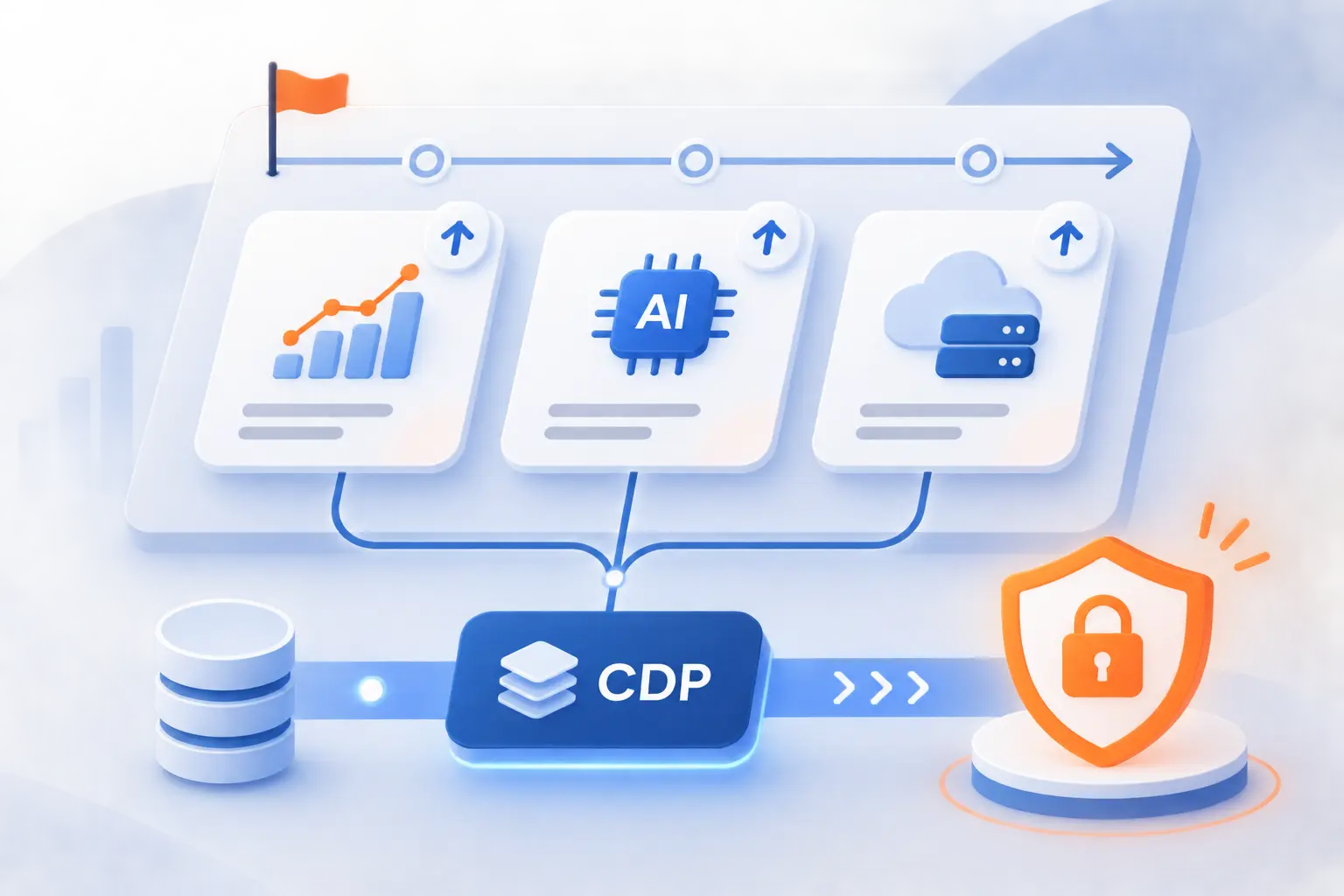
Roadmap features deserve attention only when they improve a defined workflow without weakening control. AI, edge processing, and new deployment options can change the shortlist. They should not replace proof of data correctness, permissions, or commercial value.
Distinguish Predictive Models From Generative AI and Agentic Execution
Prediction, content generation, and action-taking are different capabilities. Ask vendors to identify which one a feature actually provides.
For example, the official reinforcement-learning description explains decisioning across message, offer, channel, timing, and frequency. Evaluate that separately from a conversational assistant that drafts an audience or campaign.
Assess Edge Personalization Against Actual Latency Requirements
Choose a processing approach based on the experience’s real timing requirement. An onsite decision and a scheduled retention audience do not need identical delivery paths.
Ask what data is available at the decision point and how freshness is maintained. Evaluate the proposed route rather than treating “edge” as an automatic performance guarantee.
Protect First-Party Data Ownership and Customer Trust as Platforms Evolve
New capabilities should preserve clear control over customer information and permitted use. Revisit access, destinations, retention, and model-training terms when product scope changes.
We would also require approval boundaries for automated actions. A more capable agent should not gain broader authority merely because a product update enables it.
Frequently Asked Questions About Customer Data Platforms
The most common buying questions concern scope, readiness, and overlap with existing tools. These answers provide a starting point, but the final decision should follow your documented workflow and pilot results.
What Is a Customer Data Platform?
A customer data platform brings customer information together so teams can build profiles, define audiences, and activate data. Products differ in how they collect information, resolve identities, and connect to destinations. Some also include campaign execution, while others rely on external tools.
Which Customer Data Platform Is Best for My Business?
The best choice is the platform that fits your existing architecture and required actions. We would begin with Salesforce Data 360 for Salesforce-centered workflows, Hightouch for warehouse-led activation, and an engagement-led option for native messaging. Advance only the products that can demonstrate your complete workflow.
What Types of Customer Data Can a CDP Collect?
A CDP can collect customer attributes, behavioral events, transactions, and connected business records, depending on its supported sources. Website and app activity may arrive through SDKs or APIs, while operational records may come through integrations or imports. Confirm the exact fields and update behavior required for your use case.
Which Customer Data Platforms Suit Small Businesses?
Small businesses should usually investigate embedded engagement capabilities before an enterprise CDP. Klaviyo and Customer.io provide accessible entry points for marketing-oriented needs, while RudderStack suits technically supported collection projects. Their entry offers do not necessarily include every advanced profile or governance feature.
How Long Does CDP Implementation Take?
There is no dependable universal implementation timeline. Source complexity, identifier quality, governance requirements, and activation scope determine the work. Ask vendors to estimate your defined pilot and production rollout separately, with dependencies and acceptance criteria included.
Does a CDP Replace a Consent Management Platform?
A CDP should not be assumed to replace a consent management platform. It may store preferences or enforce permission-related rules, while a separate interface collects and manages customer choices. The official consent-management and enforcement guidance illustrates why preference collection and downstream enforcement need an explicit design.


Conclusion
The right customer data platforms solve a specific coordination problem between your sources, customer identities, and business actions. Our strongest advice is to choose the architecture before comparing feature lists.
Salesforce Data 360 and Adobe Real-Time CDP deserve attention for ecosystem-centered enterprise programs. Insider One, Bloomreach, Customer.io, and Klaviyo are compelling when engagement execution matters. Tealium, Segment, Hightouch, and Treasure AI offer different routes to connected data and activation.
Narrow the field to a small set of realistic candidates. Give each the same source records, audience rules, destination requirements, and failure cases. Which platform can prove the complete workflow at a cost and operating burden your team can support?