

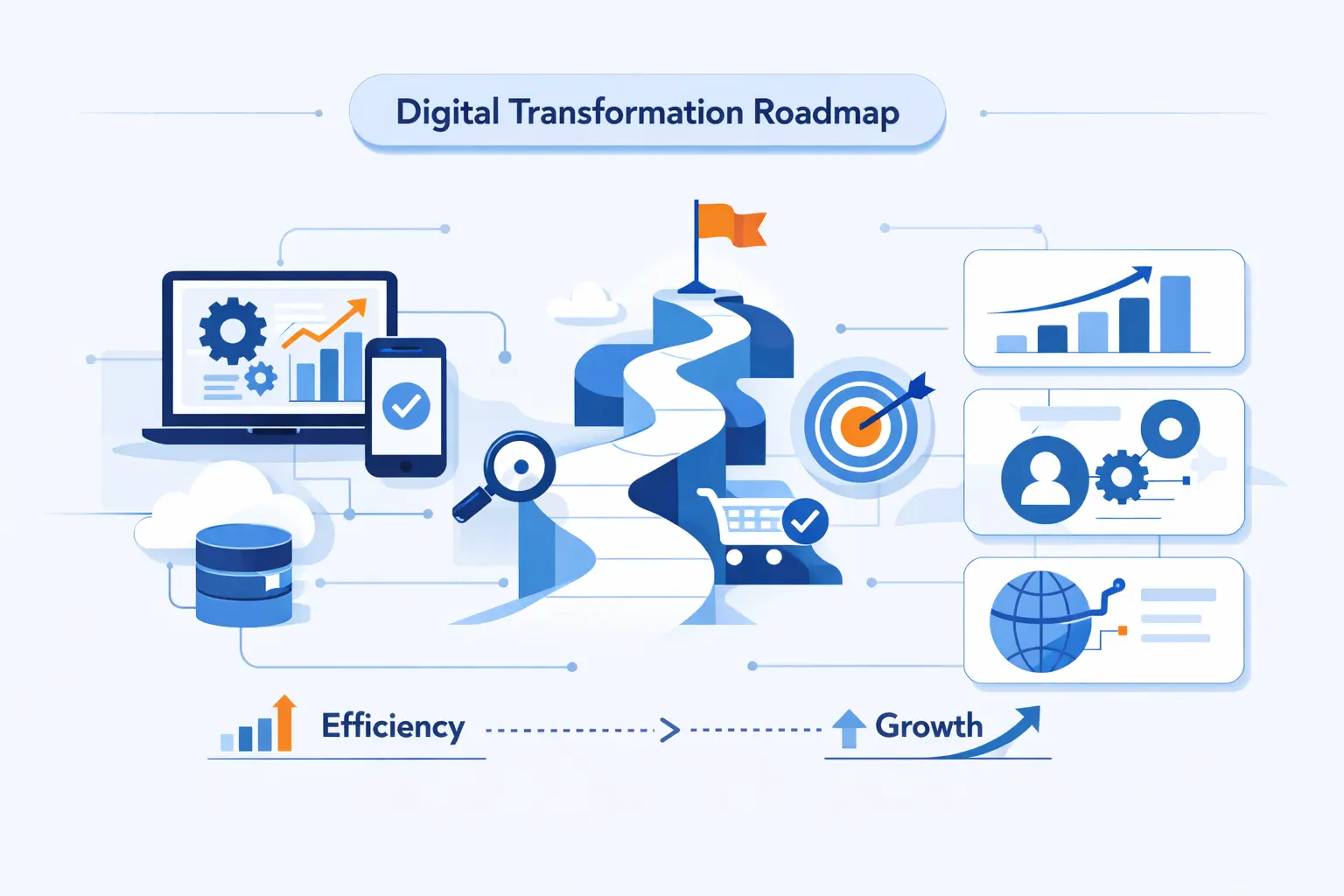
- What Digital Transformation for SMEs Means
- The Business Case for Digital Transformation for SMEs
- Early Signs Your SME Needs Digital Transformation
- The Factors That Shape Success in Digital Transformation for SMEs
- The Biggest Barriers to Digital Transformation for SMEs
- A Research Informed Roadmap for Digital Transformation for SMEs
- High Impact Technologies and Use Cases for SMEs
- Funding, Advisory Support, and Practical Guidance for SMEs
- Measuring Results and Sustaining Momentum
- Digital Transformation for SMEs FAQ
- How 1Byte Supports Digital Transformation for SMEs
- Building Sustainable Growth With Digital Transformation for SMEs
At 1Byte, we see digital transformation for SMEs as a business decision before it is a technology decision. Small and medium-sized businesses rarely need a giant overhaul on day one. They need a clearer way to sell, serve, track work, protect data, and make decisions without guessing.
We also think the subject gets overcomplicated. Many owners are not asking for buzzwords. They are asking simpler questions. Why are orders delayed? Why does customer data live in five places? Why does the team keep retyping the same information? That is where a practical roadmap begins.
What Digital Transformation for SMEs Means
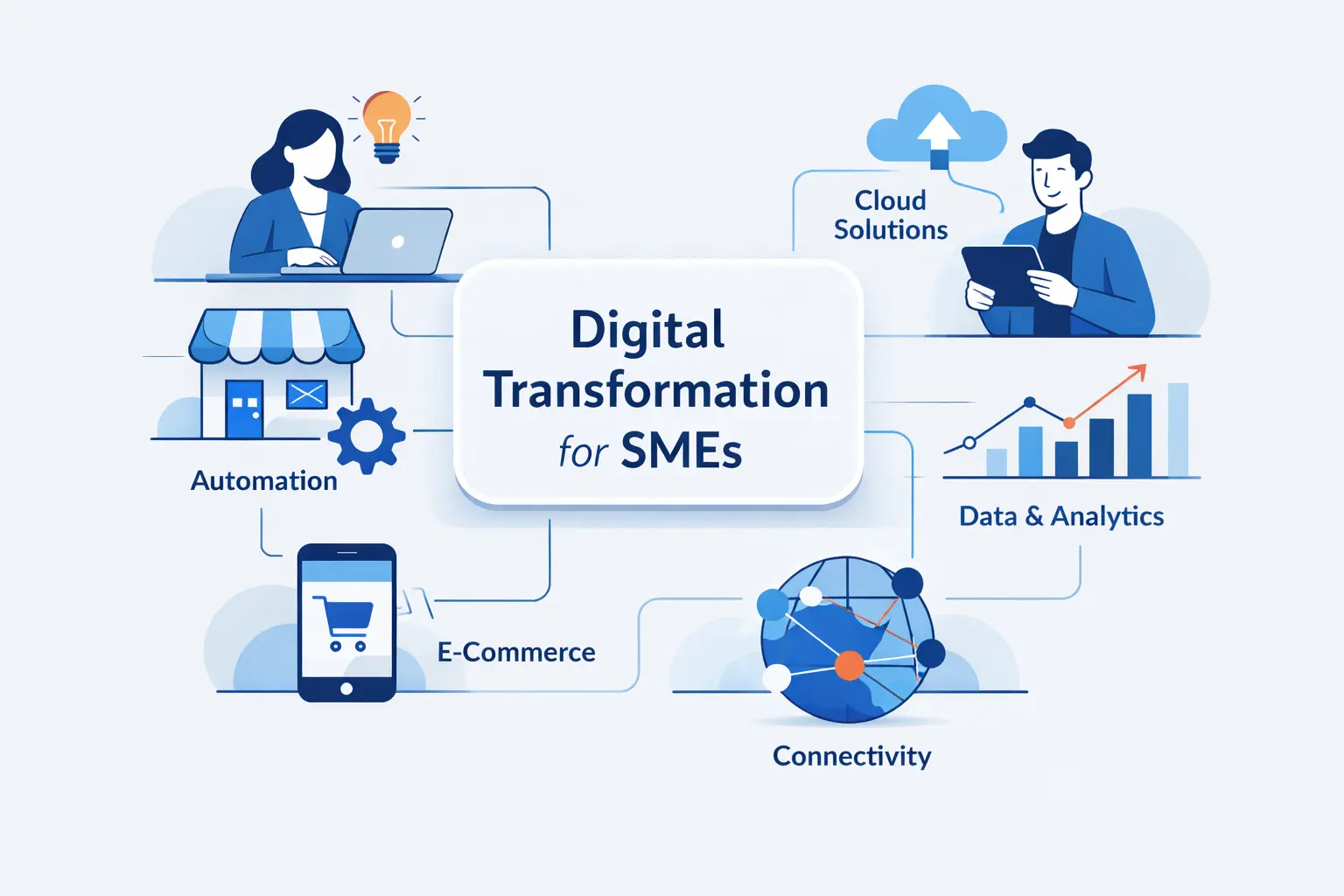
When we talk about digital transformation for SMEs, we are not talking about buying software for the sake of it. We are talking about changing how the business works so that technology supports real outcomes. Those outcomes might be faster quoting, fewer errors, better visibility, stronger customer trust, or a new way to sell.
1. How It Differs From Simple Digitization
Digitization is turning paper into files. Transformation is redesigning the process behind those files. Scanning invoices into PDFs is digitization. Routing invoices automatically, matching them to purchase orders, and giving finance a live view of approvals is transformation. The first stores information. The second changes how work gets done.
2. Aligning Technology, Processes, and Culture
We have seen good tools fail when the process stayed broken or the team was never brought in. Technology has to fit the way the business creates value. If staff still rely on side spreadsheets, private inboxes, and memory, the software becomes another layer of confusion. Real progress comes when tools, workflows, and expectations move together.
3. Customer Value, Efficiency, and New Business Opportunities
The goal is not to look modern. The goal is to make the business easier to buy from and easier to run. A stronger website can widen reach. Shared records can cut repeated work. Online payments can speed up cash collection. Better reporting can reveal which products, customers, or channels deserve more attention. That is where transformation starts to pay rent.
The Business Case for Digital Transformation for SMEs
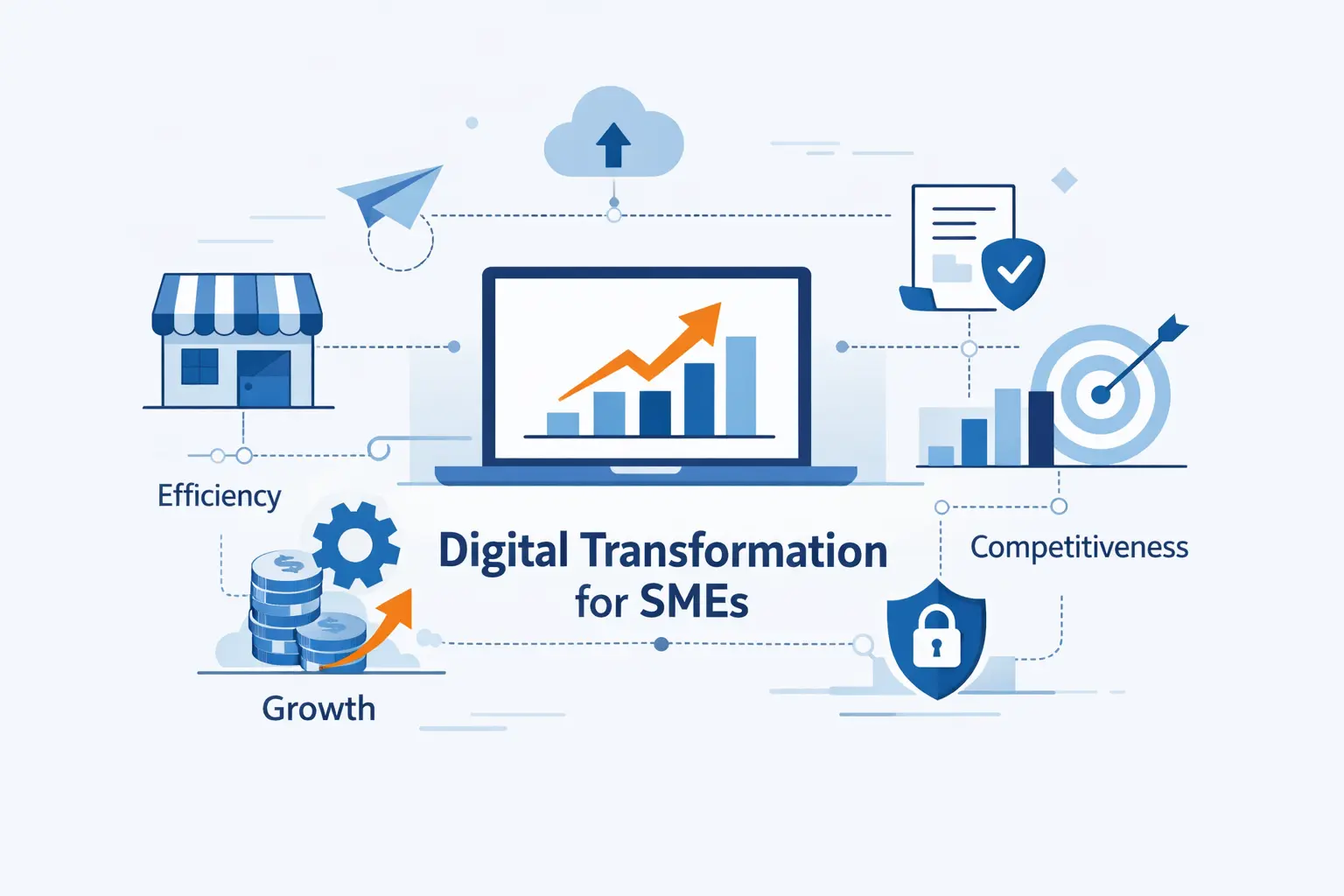
The business case is no longer abstract. Worldwide spending on these initiatives is forecast to reach almost $4 trillion by 2027, which tells us the competitive gap between fast movers and slow movers is getting wider, not smaller.
1. Resilience, Productivity, and Competitiveness
For SMEs, resilience often matters as much as growth. A cloud backup, a shared project workspace, or a reliable customer database can keep work moving when a laptop fails, a staff member leaves, or a location closes for a day. Productivity improves for a simple reason. People spend less time hunting for information and more time acting on it.
2. Closing the Gap With Larger Enterprises
The gap shows up clearly in commerce. In recent EU data, the share of firms making e-sales was 22% versus 46% for SMEs and large enterprises. We read that as a warning. Customers already expect to discover, compare, and buy online, even in sectors that once relied on calls, visits, and manual quotes.
3. Meeting New Customer Expectations and Competitive Pressure
Customers compare every buying experience to the best one they had this week, not the best one they had in your industry five years ago. They expect accurate information, quick replies, easy payment options, and fewer handoffs. If a competitor offers that and you do not, the market makes the decision for them.
Early Signs Your SME Needs Digital Transformation
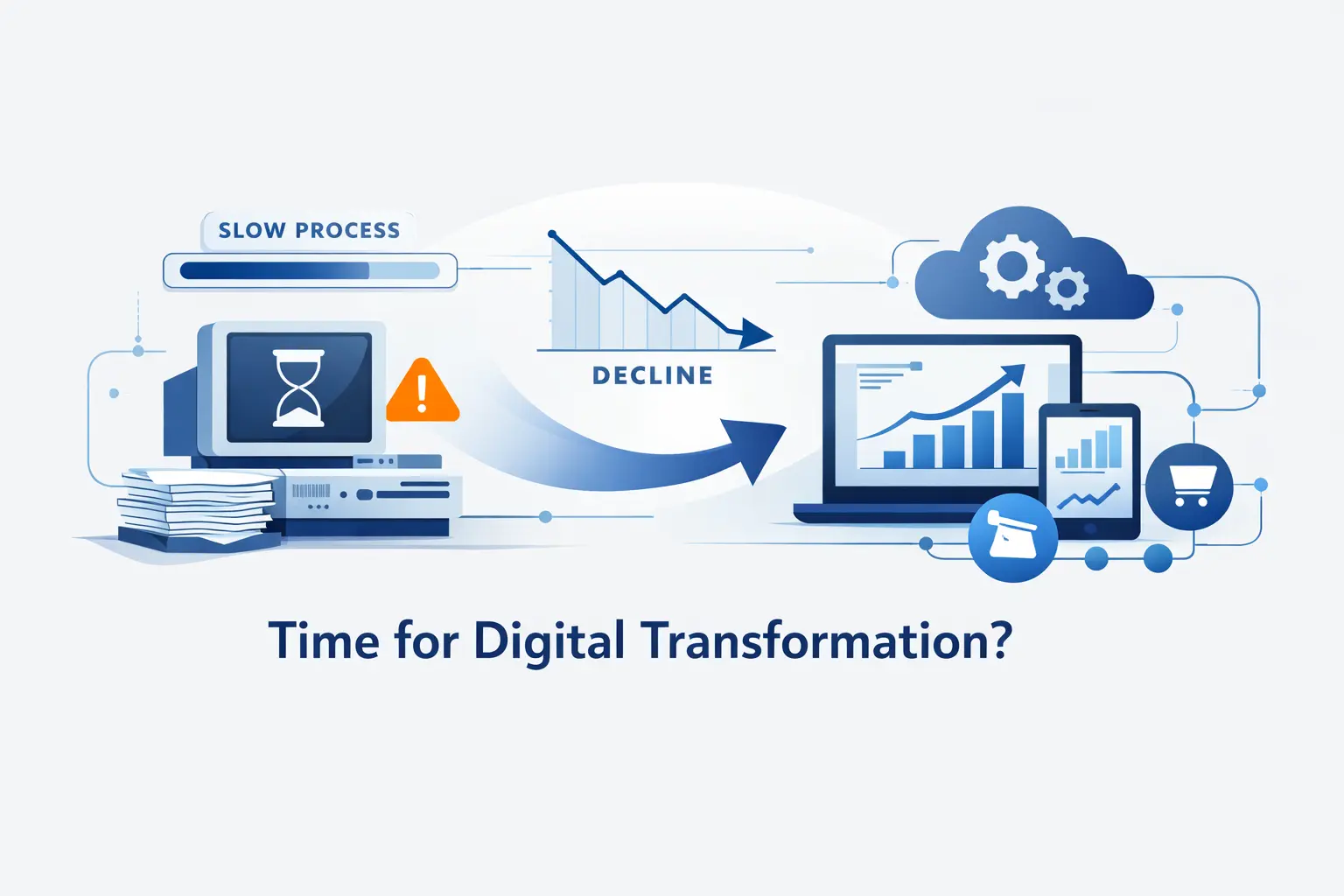
We rarely begin with software. We begin with symptoms. If the business feels busy all the time but still struggles to move faster, that is usually a process problem hiding behind a technology problem.
1. Paper Based Workflows and Disconnected Systems
If orders start in email, move to paper, then end up in a spreadsheet, mistakes will multiply. The same is true when accounting, sales, support, and operations all use separate tools with no shared record. Staff then become the integration layer, which is expensive, slow, and fragile.
2. Weak Online Presence and Friction Across the Customer Journey
A dated website, missing SSL, slow pages, unclear offers, and broken contact forms do more damage than many owners realize. They create doubt before a conversation even starts. Friction also appears after the first click. If booking, quoting, checkout, or support requests feel clumsy, customers notice and quietly move on.
3. Limited Visibility Into Data, Collaboration, and Performance
When managers cannot answer basic questions without asking three people, the business is flying low on instruments. Which products sell best? Which campaigns bring leads? Which customers are late on payment? Which jobs lose margin? Without shared data and simple reporting, improvement becomes guesswork.
The Factors That Shape Success in Digital Transformation for SMEs
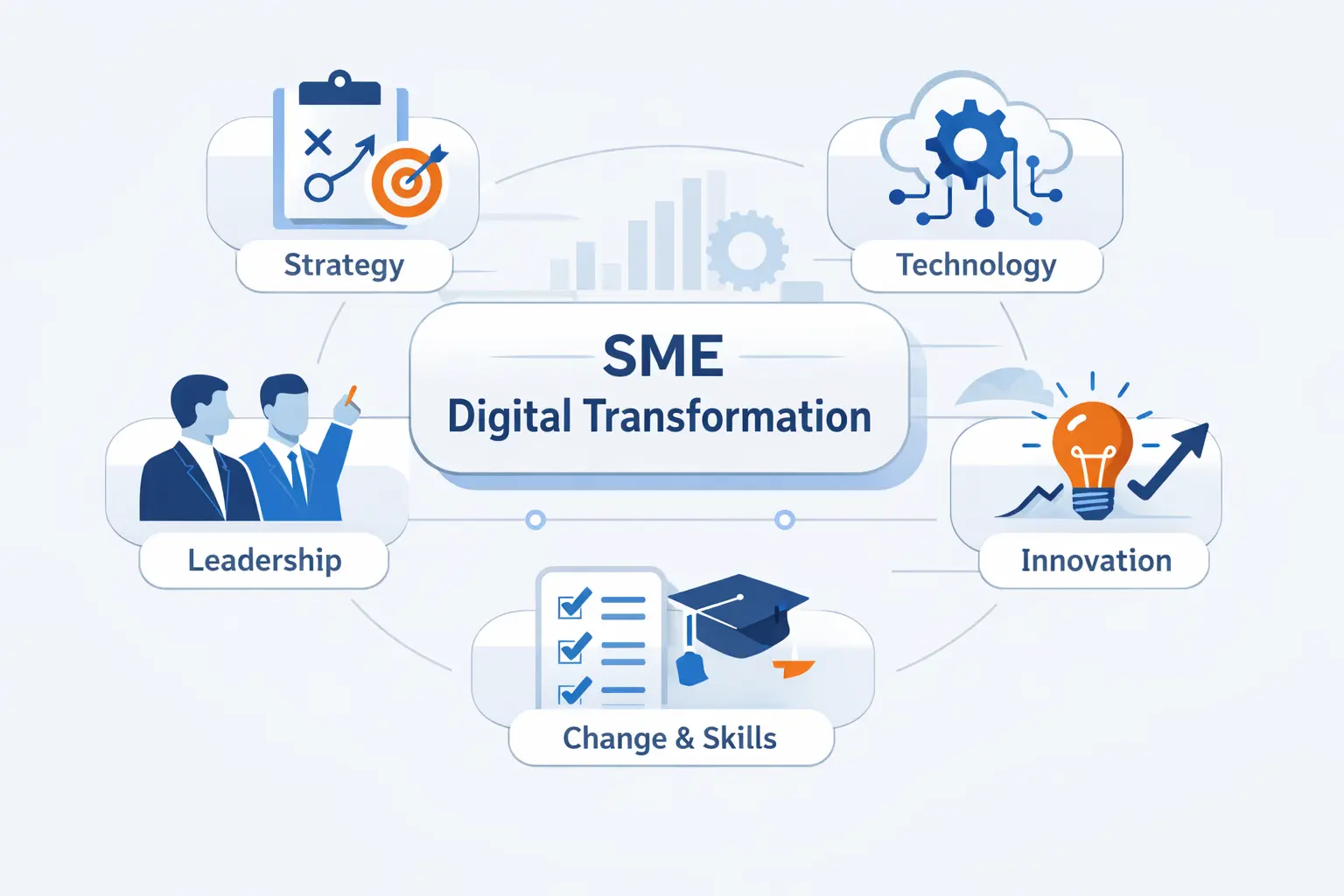
Success is shaped less by brand names and more by management habits. The firms that move faster usually have leaders who ask better questions, involve staff early, and treat change as an ongoing discipline rather than a one-time purchase.
1. Managerial Education and Digital Literacy
Owners and managers do not need to become engineers. They do need enough digital literacy to buy well, set priorities, and challenge vague vendor promises. We have a strong view here. Many failed projects start with weak leadership understanding, not weak software. Clear managers make clearer technology choices.
2. Internationalization and Exposure to New Markets
When SMEs expand into new regions or sell across borders, they are forced to improve systems sooner. Different time zones, payment methods, customer expectations, and compliance needs expose manual work very quickly. In our experience, international pressure often acts like a mirror. It shows which processes were only surviving because the business stayed local.
3. Firm Size, Resources, and Different Transformation Paths
A ten-person company should not copy a two-hundred-person roadmap. Smaller firms usually benefit from simple hosted tools, tightly scoped projects, and direct owner involvement. Larger SMEs may need more formal governance, staged integrations, and role-based access control. The right path depends on complexity, not ego.
The Biggest Barriers to Digital Transformation for SMEs
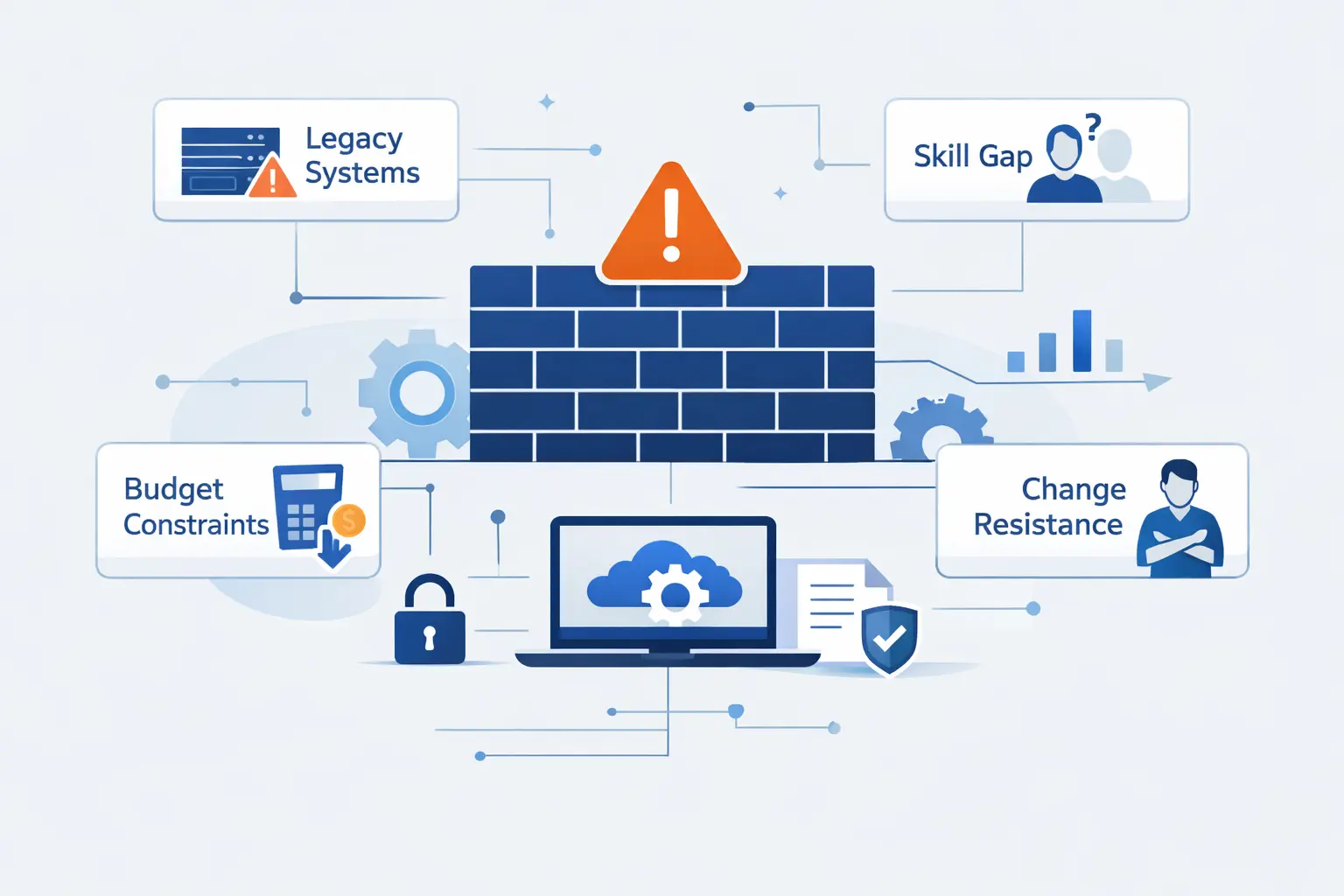
Barriers are real, and we should name them honestly. In an OECD survey of SMEs, 46% provided no workplace program for digital skills. That single figure says a lot. Many firms want change, but they have not yet built the learning habits that make change stick.
1. Budget Limits, Skills Gaps, and Uneven Infrastructure
Budget pressure pushes owners to delay upgrades until the pain becomes obvious. Skills gaps make the delay worse. Even when the budget exists, many teams do not know what to buy first or how to measure success. Then there is infrastructure. Weak internet, old devices, or unreliable hosting can turn a decent plan into daily frustration.
2. Legacy Systems, Integration Issues, and Cybersecurity Risks
Legacy tools are not always bad. The problem is what happens when they cannot share data, support modern access controls, or recover cleanly after a failure. Integration issues create duplicate entry, stale records, and reporting errors. Cybersecurity risk rises at the same time, because every unsupported system becomes a weak point.
3. Resistance to Change, Data Management Gaps, and Unclear ROI
People resist change when they do not understand the reason for it or fear more work. Data problems add another layer. If product records, customer details, or inventory rules are messy, new systems will expose the mess rather than solve it. ROI also gets blurred when a business launches too many projects at once and cannot tell which one moved the needle.
A Research Informed Roadmap for Digital Transformation for SMEs
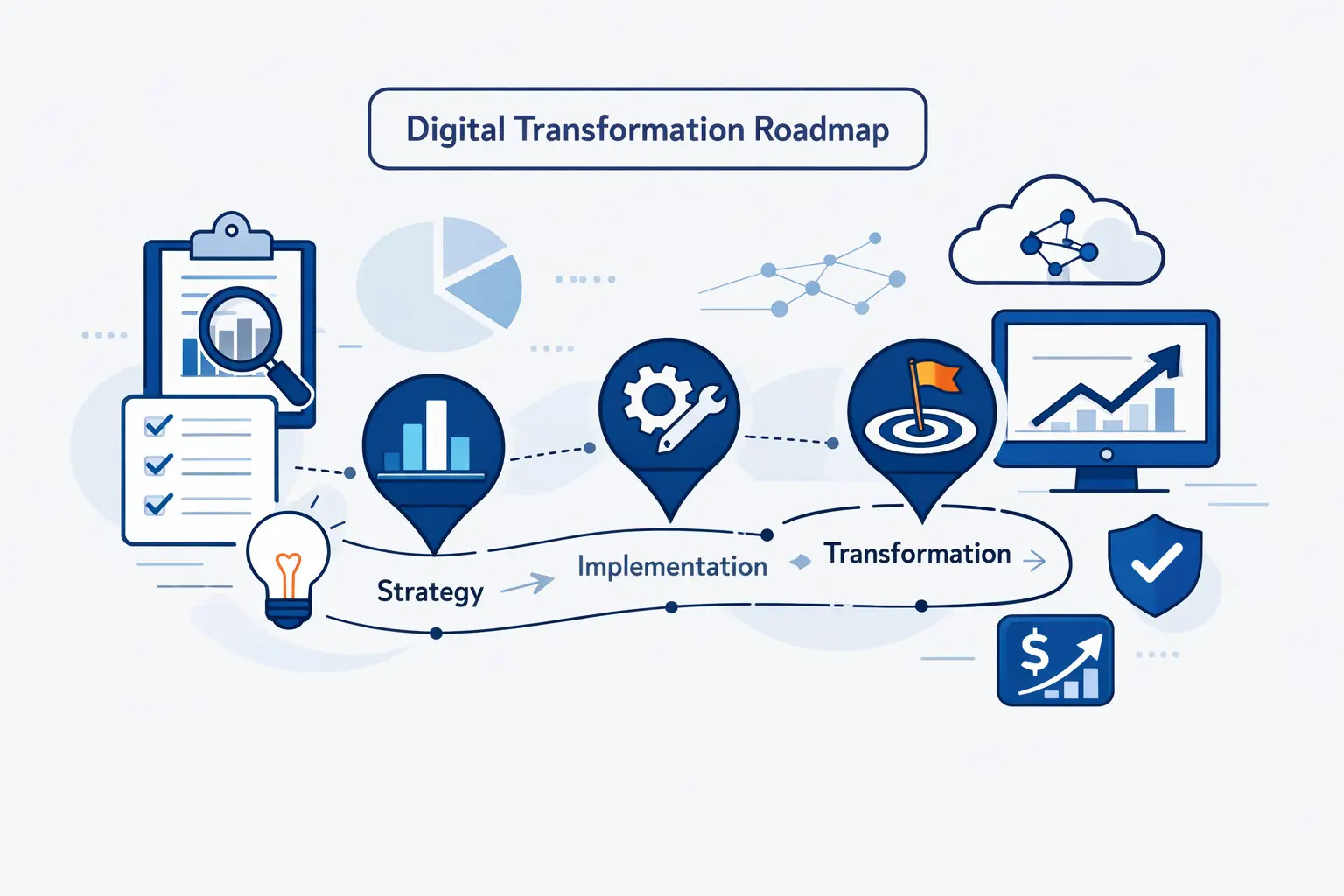
We prefer a staged roadmap over a grand plan. Small wins create trust. Trust creates adoption. Adoption creates better data, and better data improves the next decision. That cycle is what gives digital transformation for SMEs staying power.
1. Assess Digital Maturity and Build Digital Awareness and Inclusion
Start by mapping the business as it really works today. List the key journeys, like lead to sale, order to cash, support request to resolution, and purchase to payment. Then ask where delays, rework, or blind spots appear. Include the people doing the work every day. They usually know where the friction lives.
2. Convert Goals Into Strategy, Priorities, and Quick Wins
Goals should be business goals first. Faster quote turnaround, fewer stock errors, shorter payment cycles, stronger lead conversion, or lower downtime are all better than “we need to modernize.” Once the goal is clear, choose one or two quick wins that build confidence. A CRM cleanup, better hosting, shared document control, or online payments can be enough to start.
3. Adopt Technology in Phases and Improve Continuously
Phased adoption lowers risk. It also gives the team time to learn. We like to see SMEs pilot a tool, document the new process, measure results, and only then expand. This approach protects cash, limits disruption, and turns change into a repeatable habit instead of a stressful event.
High Impact Technologies and Use Cases for SMEs
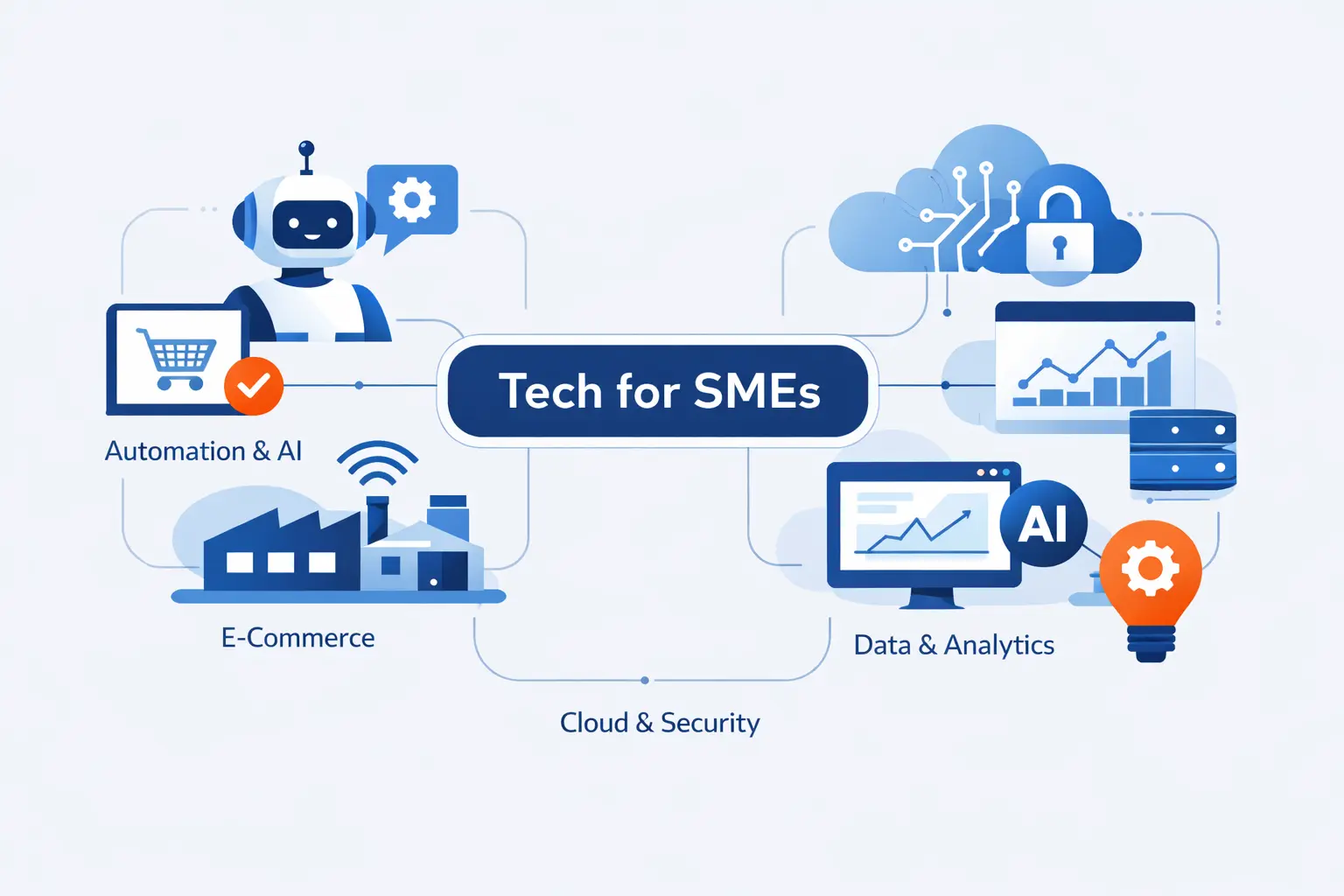
The highest-impact tools for SMEs are usually the ones that fix the basics first. They make information easier to find, reduce repeated entry, improve trust, and keep the business available when demand or disruption arrives.
1. Cloud Infrastructure, Collaboration, and Content Management
Cloud infrastructure earns its keep when it replaces fragile setup work and gives the business a stable base for growth. In one AWS customer story, Improvement-IT reported a 50 percent reduction in customer onboarding time after moving to a cloud-native environment with partner support. We like this example because the gain showed up in customer service, not just in the server room.
2. Online Commerce, Customer Data, and Digital Payment Experiences
Websites, checkout flows, booking tools, and customer records should work together. Setmore said daily signups tripled within three months after deepening its booking and payment integration. That is a useful lesson for SMEs. Customers do not care which tool you bought. They care whether it is easy to book, pay, and hear back.
3. Analytics, Automation, Cybersecurity, and Business Continuity
Once the basics are steady, analytics and simple automation can remove low-value work like status chasing, reminder emails, and manual report assembly. Security should move in step with that change. We often point smaller teams to a practical security starter guide from NIST because it frames the work around assets, protection, detection, response, and recovery.
Funding, Advisory Support, and Practical Guidance for SMEs
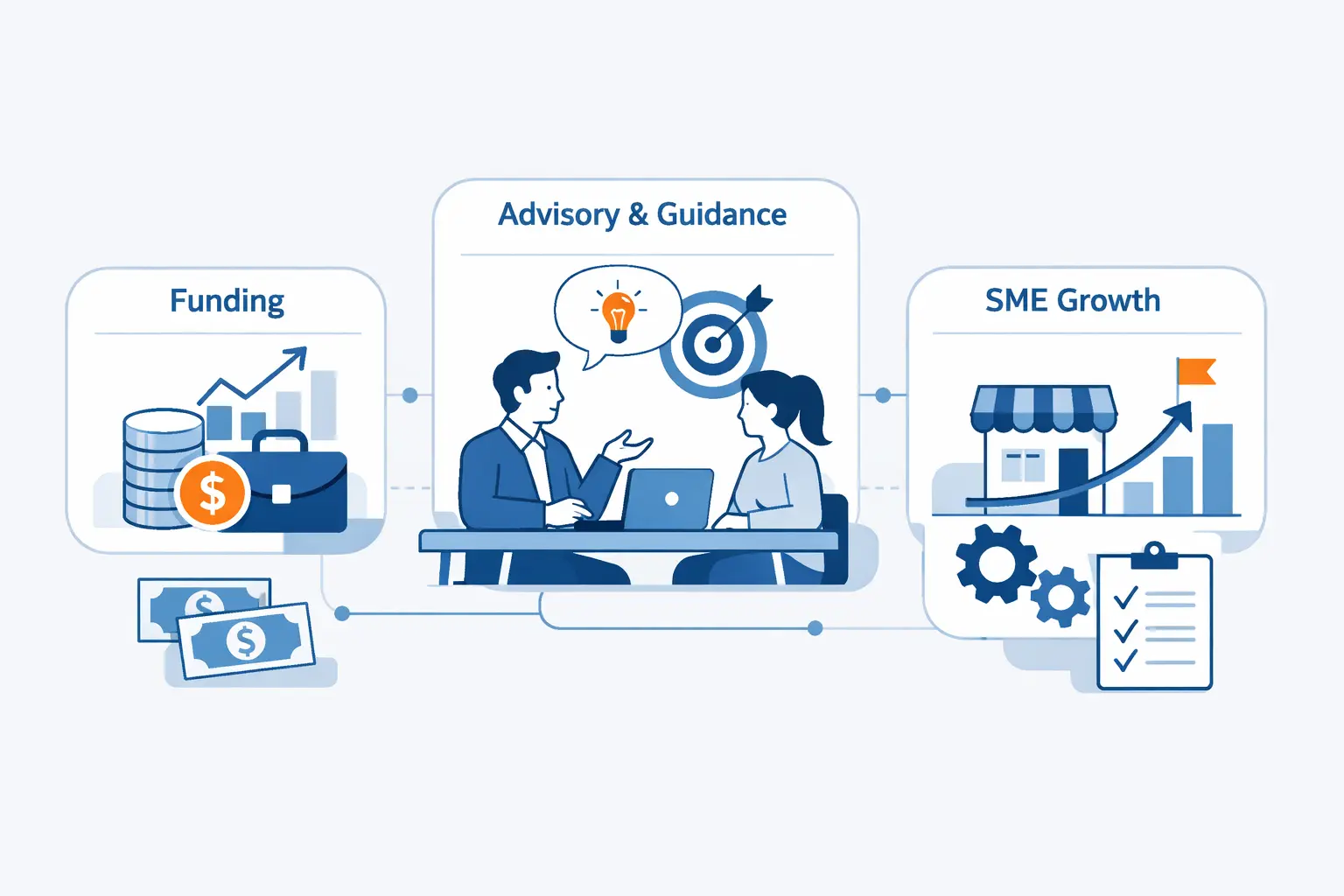
Most SMEs do not need a giant budget to begin. They need focused help tied to a specific business problem. Good advice, a realistic assessment, and a modest project fund can go further than a large software contract that nobody fully owns.
1. Digital Vouchers and Online Support Platforms
Voucher programs and digital support portals are often local or sector-based rather than national. We advise owners to check state business agencies, export offices, chambers of commerce, and industry groups. These programs often support website upgrades, online selling, cybersecurity basics, or staff training, which are exactly the kinds of first steps many SMEs need.
2. Digital Maturity Assessments, Workshops, and Mentors
For U.S. manufacturers, the support system is deeper than many owners realize. NIST’s MEP network includes nearly 1,400 advisors and more than 450 service locations, which makes it a practical place to look for assessments, process support, cybersecurity guidance, and introductions to outside expertise.
3. Industry Associations, Technology Partners, and Success Stories
Peer examples matter because they make change feel possible. A trade association can show what firms like yours are doing. A good technology partner can translate goals into a sequence of manageable decisions. We would add one caution here. Choose partners who are willing to challenge your assumptions, not just sell you a bigger package.
Measuring Results and Sustaining Momentum
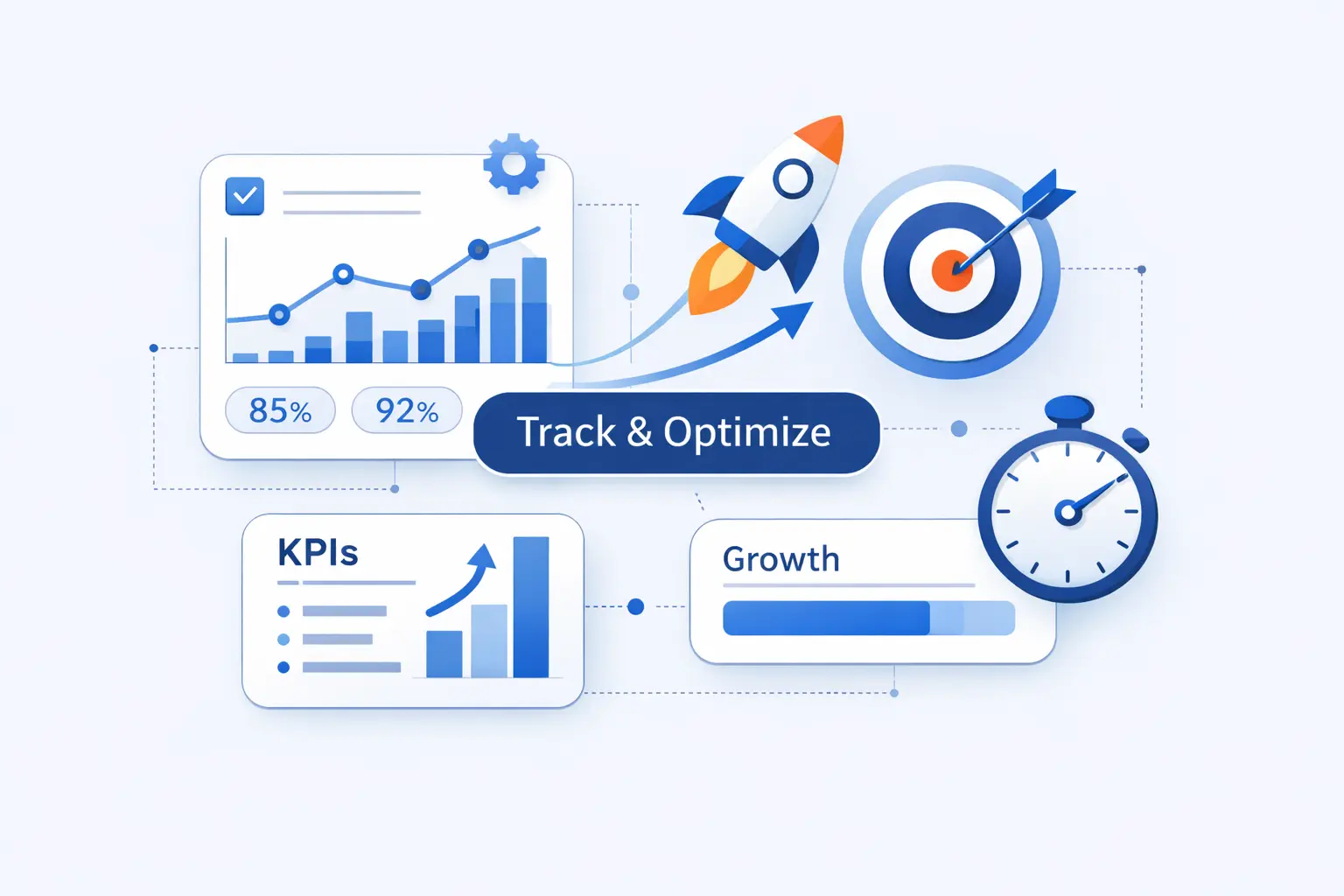
Every transformation effort needs a scoreboard. Without one, projects become hard to defend and easy to delay. We prefer a short list of business metrics that management can review every month without turning the process into another reporting burden.
1. Efficiency, Cost, and Productivity Metrics
Measure cycle times, manual touchpoints, support tickets, error rates, rework, and downtime. Track the hours spent on recurring admin before and after a change. If an invoicing workflow used to take two people half a day and now takes one person an hour, that is a real operational gain.
2. Customer Experience, Revenue, and Adoption Indicators
Look at conversion rates, quote response time, cart abandonment, repeat purchases, renewal rates, average order value, and payment speed. Also track adoption inside the business. A new tool that only two people use is not yet a transformation. It is a pilot that still needs management attention.
3. Feedback Loops, Upskilling, and Continuous Improvement
Momentum lasts when the team sees that feedback changes the system. Ask staff what still feels clumsy. Review customer complaints for patterns. Offer short training in context, close to the moment of use. We have seen more progress from regular small improvements than from dramatic launches followed by silence.
Digital Transformation for SMEs FAQ
SME owners usually ask the same few questions, and for good reason. They want a sensible starting point, a budget reality check, and a clear way to tell whether progress is real. Here is how we answer them.
1. What Is Digital Transformation for SMEs?
It is the process of improving how a small or medium-sized business works by using technology to redesign core tasks, customer journeys, and decision-making. It goes beyond putting forms online or storing files in the cloud. It changes how the business operates day to day.
2. How Do SMEs Start Digital Transformation With Limited Resources?
Start with one painful workflow and one measurable goal. Pick a problem like slow invoicing, weak lead handling, or scattered files. Then choose the smallest change that can improve that process within a few weeks. That is usually a better opening move than a full platform replacement.
3. Which Technologies Deliver the Fastest Wins for SMEs?
In our experience, the fastest wins often come from reliable hosting, secure websites, shared collaboration tools, cloud backup, online payments, customer record cleanup, and simple dashboards. These tools improve access, trust, and visibility without forcing a large reorganization on day one.
4. How Can SMEs Measure ROI From Digital Transformation?
Measure the before and after. Look at time saved, errors reduced, payment speed, conversion, customer response time, and avoided downtime. ROI becomes easier to defend when each project has one owner, one baseline, and a small set of outcome metrics.
5. Why Do Some SMEs Progress Faster Than Others?
Usually because they stay focused. Faster movers tend to have clear ownership, better data habits, stronger training culture, and the discipline to phase projects. They also accept a hard truth. Sometimes the process has to change before the software can help.
How 1Byte Supports Digital Transformation for SMEs
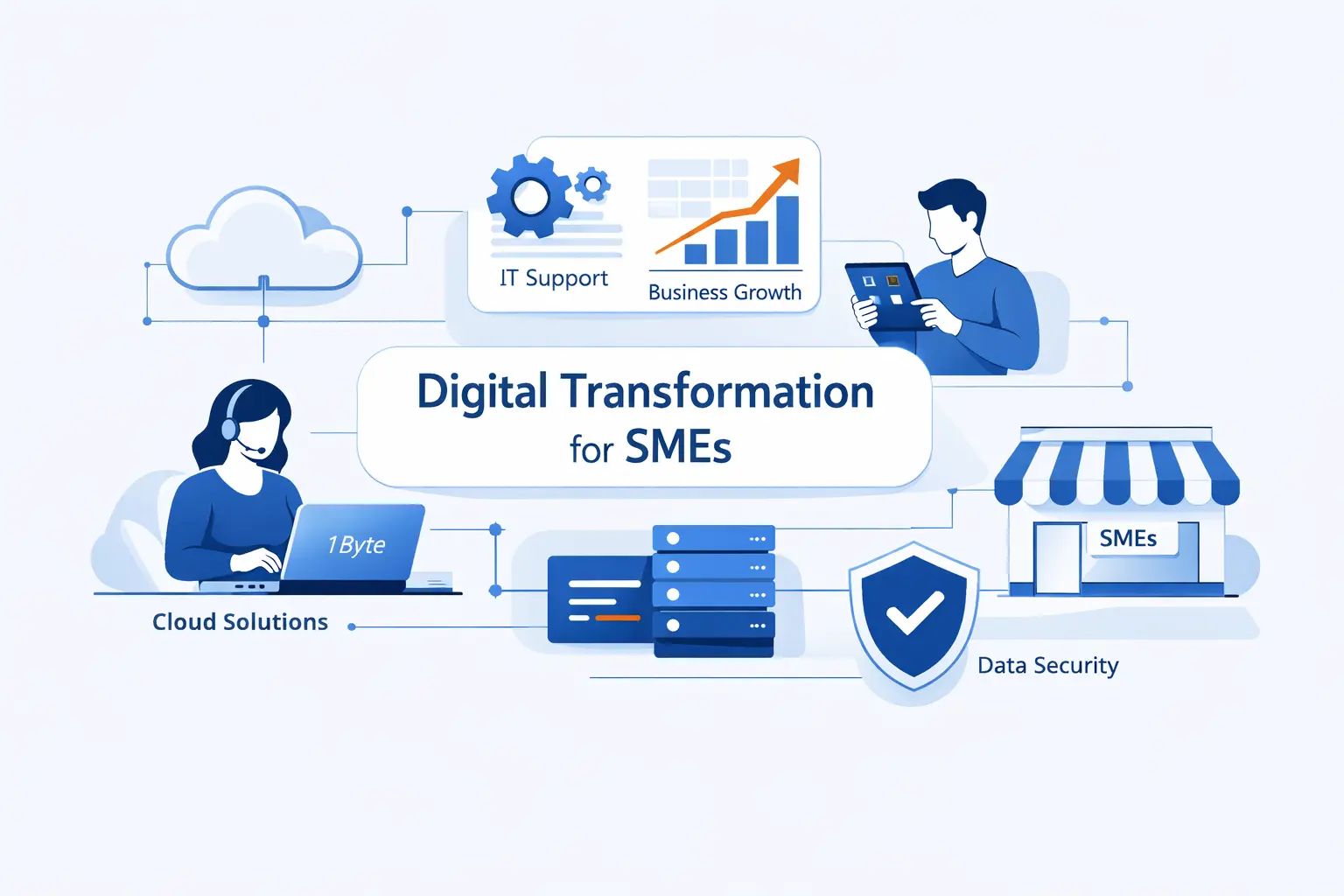
At 1Byte, we support digital transformation for SMEs by helping businesses build dependable online foundations first. We think this matters because weak hosting, expired certificates, and unclear infrastructure choices can sabotage a sound strategy before it has a chance to work.
1. Domain Registration and SSL Certificates for Trusted Online Foundations
Trust starts early. A clean domain name, working DNS, and valid SSL certificate help customers reach the right site and avoid browser warnings. They also support secure forms, better email credibility, and safer transactions. We see these as basics, not extras.
2. WordPress Hosting and Shared Hosting for Business Websites
Many SMEs begin transformation with a better web presence because it affects discovery, trust, lead capture, and customer support. Our WordPress hosting fits businesses that need content control, landing pages, and frequent updates. Shared hosting can still be the right choice for smaller sites that need reliability at a lower cost while the business builds momentum.
3. Cloud Hosting, Cloud Servers, and AWS Partner Support
When a business needs more control, stronger isolation, custom applications, or room for staged growth, cloud hosting and cloud servers become important. As an AWS partner, we help clients think through architecture, migration sequence, backup strategy, and cost discipline. We do not believe every workload belongs on the biggest setup available. We believe it belongs on the right one.







Building Sustainable Growth With Digital Transformation for SMEs
Digital transformation for SMEs does not have to begin with a massive platform, a long committee process, or a risky all-at-once migration. It can begin with a sharper question. Where does work break down, where do customers feel friction, and where is the team wasting effort on tasks that software should handle better?
From there, the smart path is steady. Fix the foundation. Connect the data. Protect the business. Measure what changed. Improve again. At 1Byte, we believe that is how SMEs turn technology from a cost center into a practical advantage that supports growth, competitiveness, and confidence over the long run.