

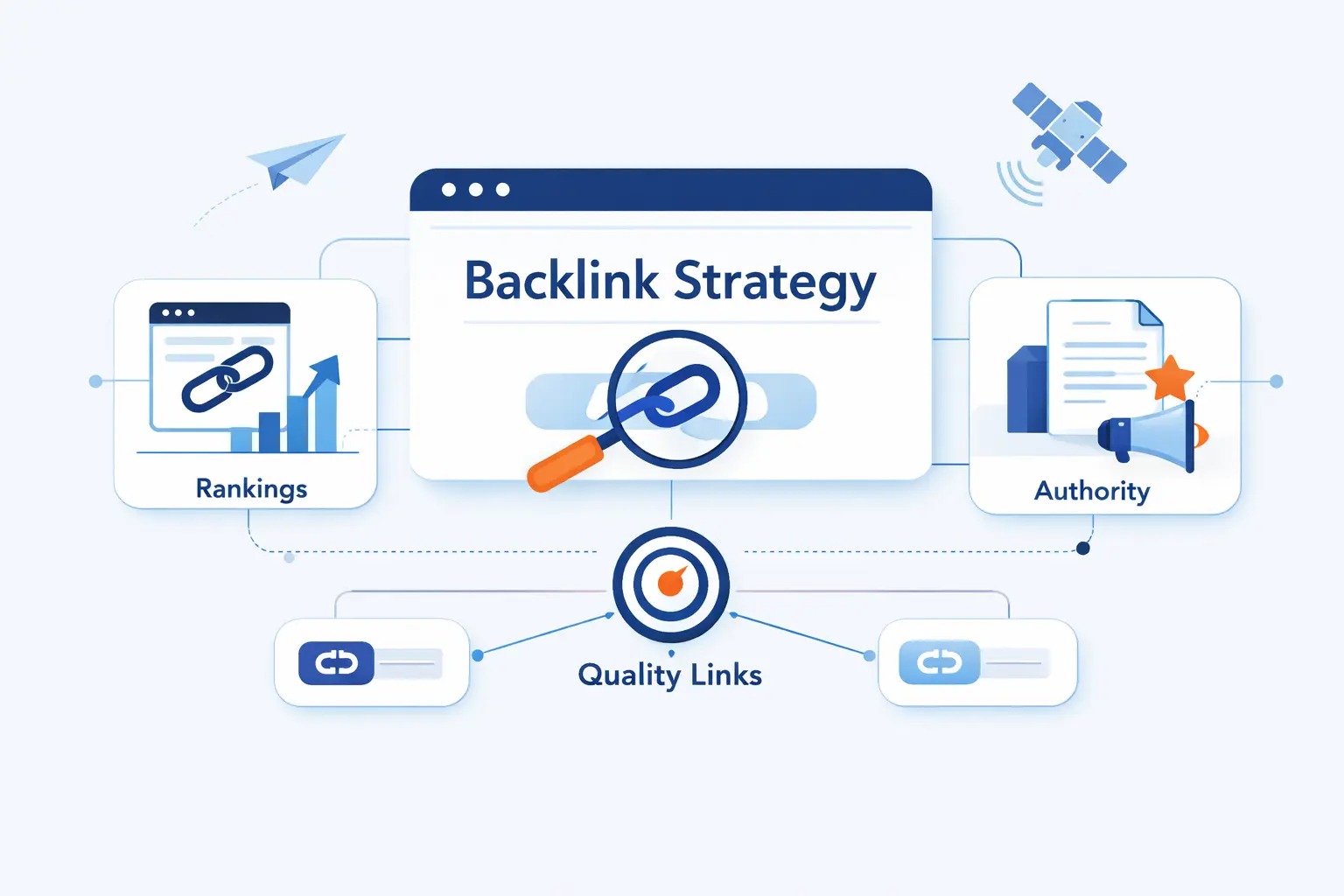
- What a Backlink Strategy Is and Why It Still Matters
- How to Plan a Backlink Strategy Before Outreach
- Create Linkable Assets That People Want to Cite
- Use Quick-Win Backlink Strategy Tactics
- Turn Existing Relationships Into Backlinks
- Earn Editorial Links Through PR and Expert Contributions
- Use Third-Party Validation to Expand Reach
- Use Guest Posting as a Modern Backlink Strategy
- Strengthen Local and Platform-Based Signals
- How to Evaluate Opportunities and Measure Results
- Common Backlink Strategy Mistakes to Avoid
- Backlink Strategy FAQ
- How 1Byte Supports a Stronger Backlink Strategy
- How to Build a Backlink Strategy That Compounds Over Time
At 1Byte, we think a strong backlink strategy in 2026 looks a lot less like chasing placements and a lot more like earning trust in public. The web is crowded, AI answers are shortening the path to information, and buyers have become skeptical of anything that smells manufactured. That changes the job. We are not just trying to get mentioned. We are trying to become the source people choose to cite.
We have also learned that the best links rarely arrive from clever outreach alone. They come from useful pages, real relationships, clear proof, and a site people trust when they land on it. If we build those pieces first, outreach works better. If we skip them, even a polished pitch falls flat.
What a Backlink Strategy Is and Why It Still Matters
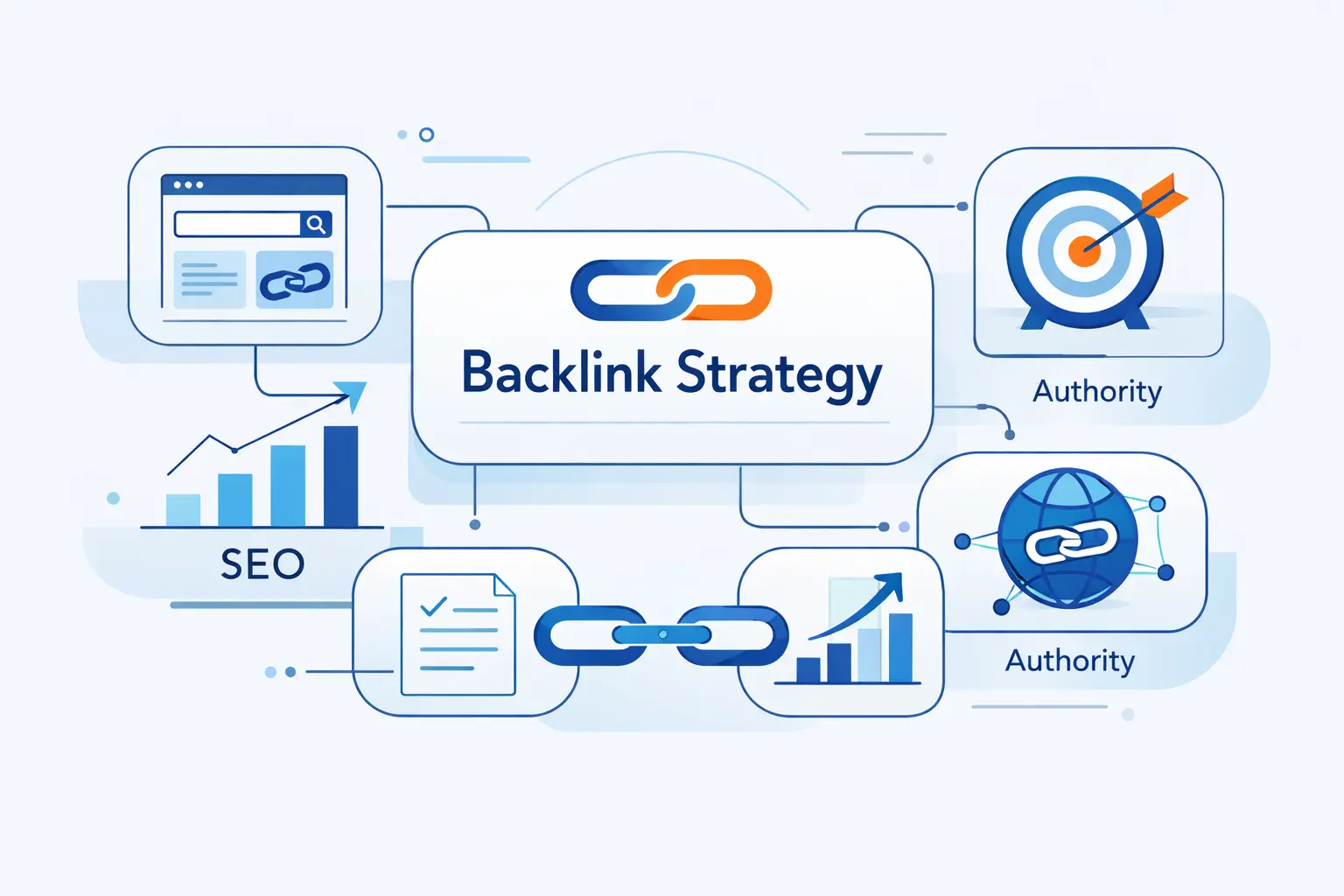
The market context matters here. Search now sits inside a wider AI economy that Gartner expects to reach $644 billion in 2025, which means more content, more automated publishing, and tougher competition for attention.
FURTHER READING: |
| 1. WordPress SEO Setup: A Step-by-Step Guide for Beginners |
| 2. What Is an MX Record and How Does It Work for Email Delivery |
| 3. How to Check If a Website Is Legit in 2026 |
1. What Backlinks, Citations, and Co-Citations Mean
A backlink is a clickable reference from one site to another. In simple terms, another publisher points readers to your page because it helps explain, prove, or extend something they are saying. That is the classic SEO signal most teams think about first.
A citation is broader. In local SEO, it often means your business name, address, and phone number appearing consistently across trusted listings. In brand SEO, it can also mean a plain-text mention, even without a clickable URL. Co-citation goes one step further. It is when your brand appears near other recognized brands, experts, or sources on the same topic. We treat that proximity as a reputation clue. It does not replace a backlink, but it can strengthen topical association.
2. Why Backlink Strategy Still Impacts Rankings, AI Visibility, and Brand Authority
Backlinks still matter because Google still says PageRank remains a core ranking system, which tells us that references between pages still help search engines judge importance and context.
They also matter because clicks are getting harder to win. In March 2025, Pew Research Center found users clicked a traditional result in 8% of all visits when an AI summary appeared, so being the source behind the answer matters more than waiting for the old blue-link behavior to save us.
That is why we see backlink strategy as bigger than rankings. Strong mentions improve brand recall. They raise your odds of being cited in roundups, AI answers, comparison pages, and buyer research. When multiple trusted sites refer to you, your authority starts to travel ahead of you.
3. What Makes a High-Quality Backlink in 2026
A high-quality backlink is relevant, editorial, and useful to an actual reader. It sits on a page that gets crawled, indexed, and visited. It appears in context, not in a random footer, author bio farm, or spun resource page. The best ones feel deserved. They support the article and send qualified traffic even if rankings never moved.
We also judge quality by intent. If the placement exists primarily to manipulate search rankings, we do not treat it as an asset. We treat it as borrowed time.
How to Plan a Backlink Strategy Before Outreach
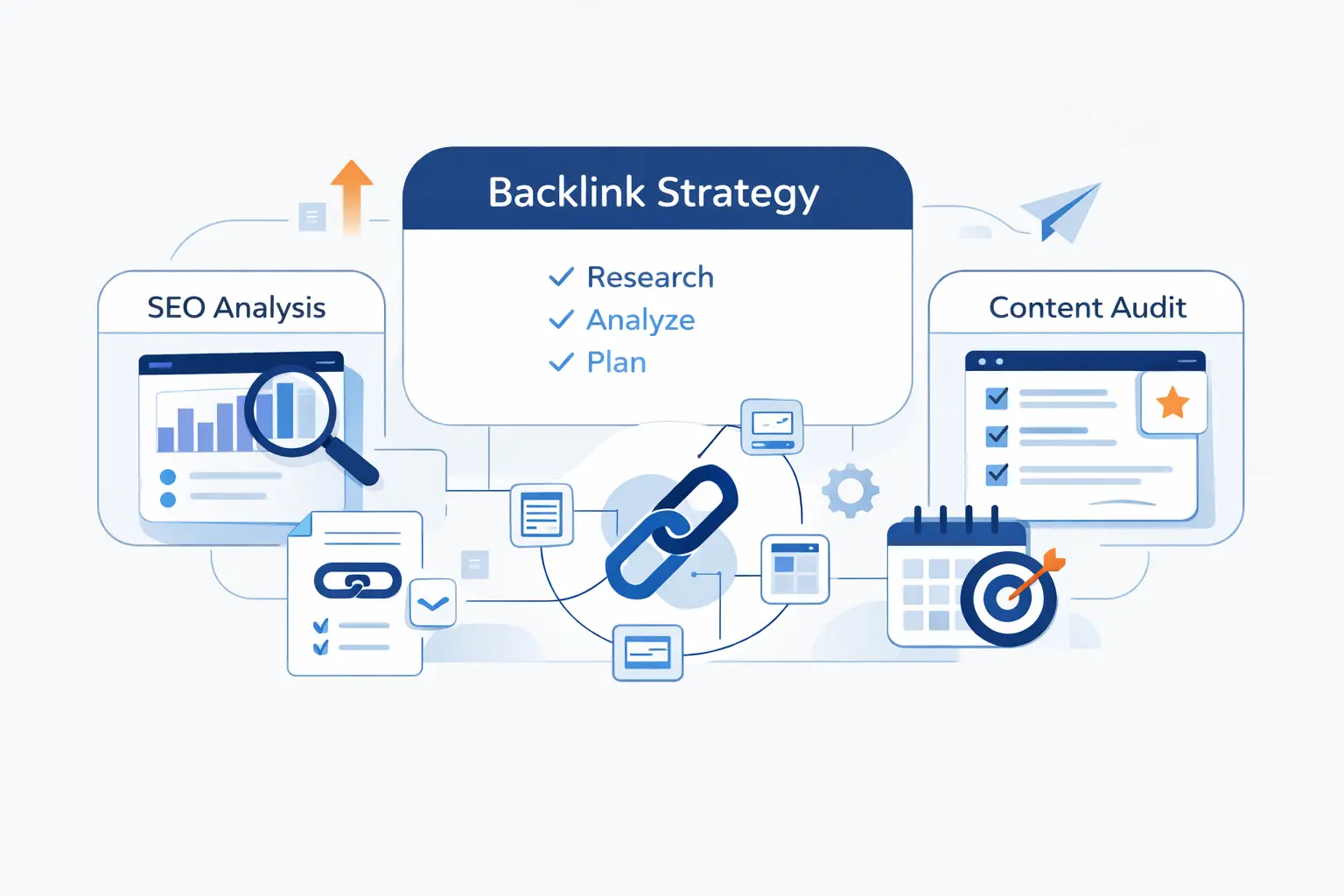
Most outreach fails long before the first email goes out. The target list is weak, the asset is forgettable, or the value proposition is fuzzy. We plan our backlink strategy before we pitch anyone because the best campaigns start with better judgment, not more volume.
1. Research Competitors, Link Gaps, and Target Publications
We start by studying who already earns attention in the niche. Which publications cite them? Which data pages get referenced again and again? Which partner pages, resource libraries, podcasts, and newsletters keep surfacing? That tells us what the market already rewards.
Then we look for link gaps. If three close competitors are cited by the same association, software directory, or trade publication and we are not, that gap is usually easier to close than winning a cold national mention. It is a practical way to build momentum.
2. Prioritize Relevance, Trust, Domain Authority, and Unique Referring Domains
We use third-party authority scores as rough filters, not final truth. A lower-scoring site that serves the right audience can beat a stronger site with no topical fit. Relevance comes first. Trust comes next. Raw authority helps, but only after the first two pass.
We also care a lot about unique referring domains. Ten mentions from ten different trusted sites usually tell a stronger story than repeated mentions from the same place. Diversity makes the link profile feel earned and reduces dependency on any single publisher.
3. Create People-First Assets Worth Promoting
Before outreach, we ask a blunt question. Why would anyone reference this page if our logo were removed? If the answer is unclear, we are not ready. The asset needs a clear job. It should solve a problem, answer a disputed question, organize messy information, or provide evidence readers cannot easily find elsewhere.
People-first assets usually have sharp angles. They save a journalist time. They help a buyer decide. They help an engineer compare options. When the page serves a real person first, promotion becomes much easier.
Create Linkable Assets That People Want to Cite
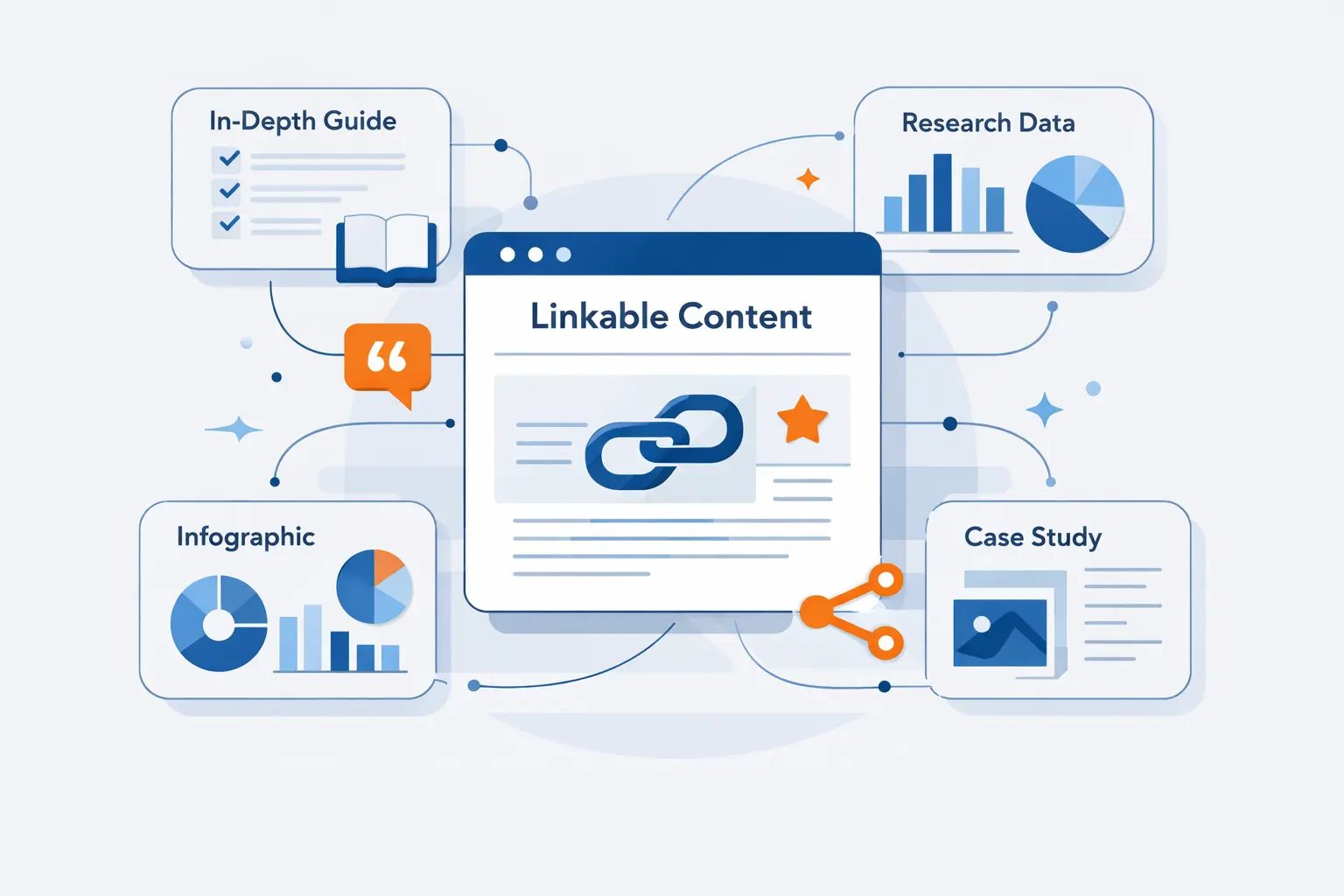
Durable links come from durable pages. We have seen the best backlink strategy shift toward assets with standalone value, not generic blog posts dressed up for outreach. If a page can stand on its own as a reference, it has a shot at earning links for years.
1. Publish Original Research, Data Studies, and Statistics Roundups
Original data is one of the cleanest ways to earn editorial links because it gives writers a reason to cite the source instead of repeating someone else. Surveys, benchmark reports, latency tests, pricing comparisons, support response studies, and usage trend reports all work when the method is clear.
We especially like assets that keep updating. A public internet data dashboard keeps attracting attention because reporters, analysts, and creators return whenever they need a fresh reference point.
If you cannot produce original research yet, publish a careful statistics roundup with commentary. The value is not in copying numbers. It is in organizing them, adding interpretation, and showing readers what matters and what does not.
2. Build Free Tools, Templates, Calculators, and Utility Pages
Useful tools earn links because they create immediate utility. A calculator, checker, validator, estimator, or template page gives people something they can use in seconds. That makes it easy for others to recommend it.
One classic model is a free website test that gives a fast result readers can share with a teammate, client, or manager. That kind of asset keeps circulating because it starts a conversation, not just a pageview.
At 1Byte, we like utility pages that solve small but frequent problems. They do not need to be flashy. They need to be reliable, clear, and easy to load. Fancy tools get talked about. Simple tools get bookmarked.
3. Develop Comprehensive Guides, Long-Form Content, and Visual Assets
Long-form guides still work when they do real work. We want decision tables, examples, screenshots, diagrams, checklists, and plain-language explanations. A long page that says little will not earn links. A long page that reduces confusion often will.
Visual assets help because many publishers need something they can quote or embed quickly. A comparison chart, workflow image, or clean explainer graphic can become the part that gets cited, even when the full article is long.
4. Name and Publish Branded Strategies, Methods, and Case Studies
This part needs restraint. We do not believe in inventing jargon for its own sake. Still, a simple name can help an idea travel. If you have a repeatable process, give it a clear label, explain the steps in plain English, and back it up with a case study.
The case study matters more than the label. Show the before state, the change, and the lesson. Buyers and publishers do not cite slogans. They cite proof.
Use Quick-Win Backlink Strategy Tactics
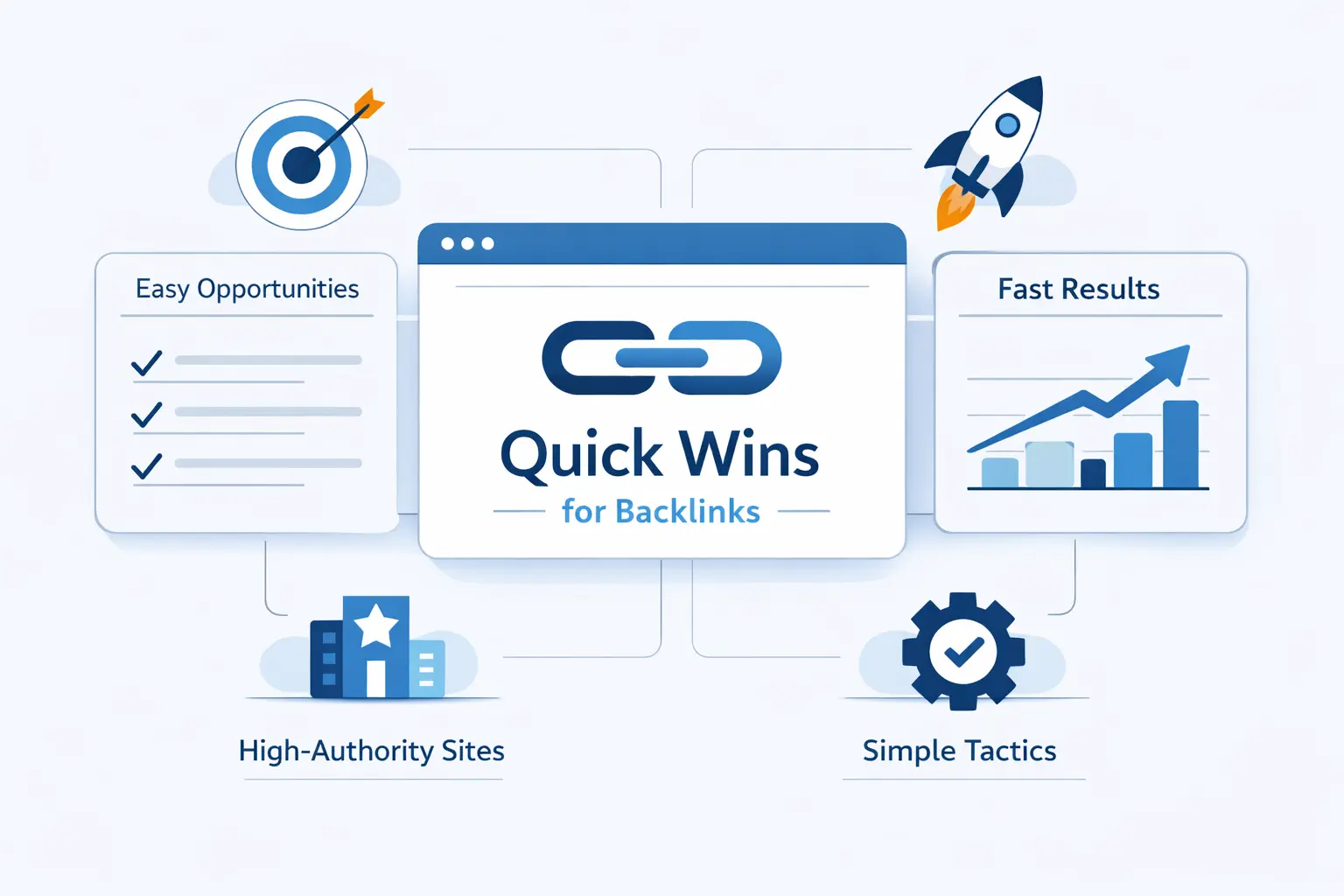
Some of the easiest gains come from cleaning up demand that already exists. We like quick wins because they improve a backlink strategy without waiting for a brand-new campaign to mature.
1. Reclaim Unlinked Brand Mentions and Improve Brand Context
Plenty of sites may already mention your company, founders, products, or research without linking. That is low-friction opportunity. If the page already trusts you enough to mention you, asking for a helpful citation is often easier than starting from zero.
We also try to improve context, not just add a URL. A vague brand name drop is fine. A mention that explains what you do, who you help, and why the page is citing you is much stronger.
2. Fix Broken Backlinks Pointing to Your Site
Broken backlinks are wasted equity. If trusted pages point to deleted URLs, expired campaigns, or renamed resources, we either restore the page or redirect it to the closest useful replacement. This is basic maintenance, but teams ignore it all the time.
We prefer restoring a strong asset when possible. Redirects help, but a live page that still satisfies the original reason for the citation is usually better for users and for future links.
3. Replace Competitor Broken Links and Outdated Resources
This is one of the few outreach tactics that still feels refreshingly honest. If a publisher cites a dead resource or an outdated guide, and we have a better current version, we can suggest it. The pitch works when we lead with reader value, not with our needs.
Politeness matters here. We point out the issue, explain why our page fits, and leave the decision with the editor. No guilt, no fake urgency, no spammy follow-up loop.
Turn Existing Relationships Into Backlinks
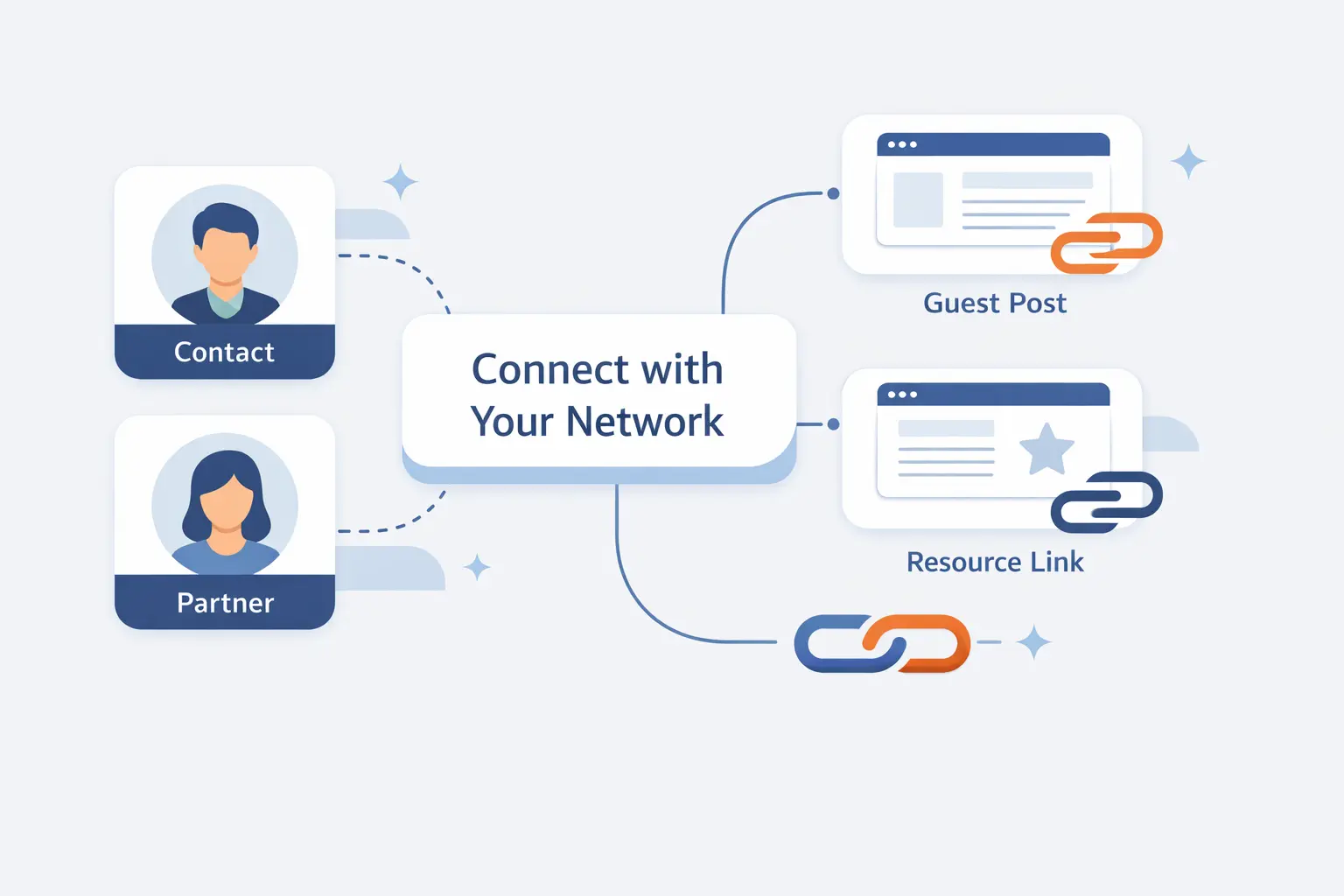
Cold outreach gets most of the attention, but warm relationships usually convert better. In our experience, the most overlooked backlink strategy is simply asking the people who already trust you to reference the work you are doing together.
1. Leverage Customers, Vendors, Partners, and Integrations
Partners need proof too. That makes collaboration pages, customer stories, integration spotlights, onboarding guides, and use-case writeups natural places to earn mentions. When the relationship is real, the link makes sense.
We like to think beyond logos. Where are you already showing up in a meaningful workflow? If your product integrates with another service, there may be documentation, marketplace listings, tutorial pages, or partner directories where your brand belongs.
2. Earn Resource Page, Member Directory, and Marketplace Placements
These are rarely glamorous links, but many are highly relevant. Industry associations, chambers, startup programs, training communities, and software marketplaces often have pages real people use. If your business qualifies, earn the listing and fill it out properly.
The key is standards. We do not chase dead directories. We want listings people actually browse, pages that rank for branded or category queries, and placements that help a buyer verify legitimacy.
3. Use Niche Edits and Contextual Links Where They Add Reader Value
Contextual additions to existing pages can work when they improve the article. They should fit the sentence, the topic, and the reader need. If the added citation feels bolted on, we pass.
We are cautious here because this tactic gets abused. Our rule is simple. If the editor would be embarrassed to explain the addition to a reader, it was the wrong placement.
Earn Editorial Links Through PR and Expert Contributions
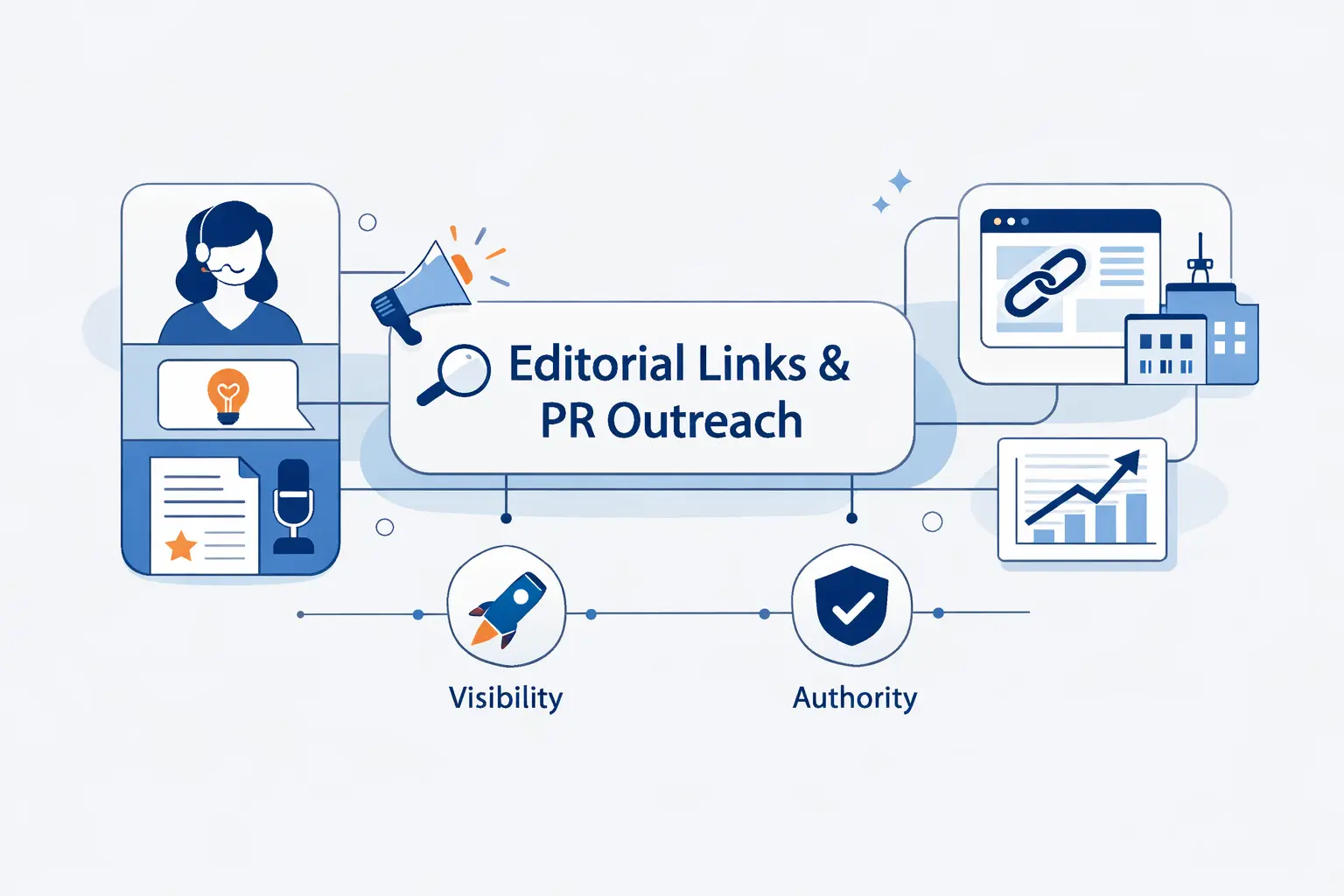
When a business has a real viewpoint, PR can become one of the strongest link sources available. We like editorial mentions because they often bring three wins at once: authority, referral traffic, and downstream brand searches.
1. Respond Quickly to Media Requests and Expert Quote Opportunities
Speed matters. Journalists work on deadlines, and the best quote is often the one that arrives first and says something usable. We keep short, specific points ready so we can respond without sounding rehearsed.
A good expert quote includes a viewpoint, a reason, and a practical implication. It should help the writer finish the piece. If it sounds like homepage copy, it will be ignored.
2. Pitch Journalists With Timely Commentary and Specific Insights
Generic pitches die fast. Timely commentary works better when it connects to something already happening, such as a product launch, outage, policy change, pricing shift, or market reaction. Then we add a specific angle, a clear takeaway, and a spokesperson who can speak plainly.
We have found that tiny observations often travel farther than huge claims. A sharp comment on what changed and who it affects is easier to quote than a sweeping trend piece.
3. Become a Podcast Guest and a Go-To Industry Source
Podcasts can be surprisingly useful because they create a chain of assets. There is the episode page, the show notes, the host newsletter, the social clips, and sometimes a transcript. One appearance can create several mentions if the conversation is good.
The real prize is repetition. Once hosts, editors, and producers know you speak clearly and avoid fluff, they come back. That is when backlinks stop feeling transactional and start feeling natural.
Use Third-Party Validation to Expand Reach
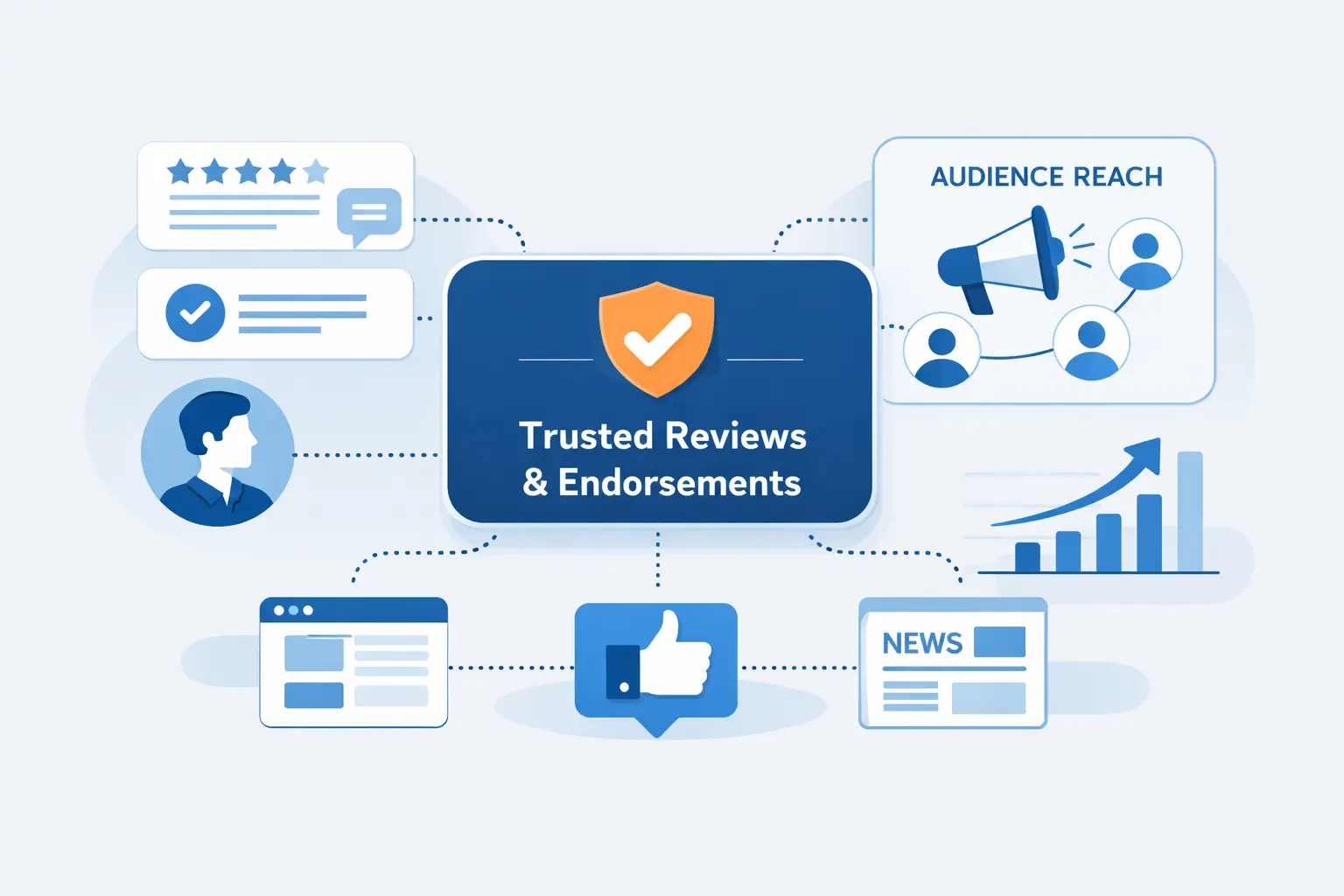
Some links matter because they come from neutral voices buyers trust during research. Third-party validation is powerful because it meets people at the decision stage, when they are comparing options and looking for outside proof.
1. Win Best-of List Mentions and Comparison Page Placements
We approach these carefully. A weak roundup on a random site is not validation. A trusted comparison page used by your audience can be. To earn those mentions, we give reviewers concrete details, honest positioning, and reasons to include us even if we are not the biggest brand.
It helps to embrace fit. You do not need to win every list. You need the lists where your strengths match the buyer’s question.
2. Collaborate With Influencers and Niche Publishers
In many industries, niche creators have tighter audience trust than larger publications. We would rather earn a credible mention from a specialist than a vague mention from a giant outlet with no context.
The best collaborations produce something useful together, such as a tutorial, benchmark, teardown, interview, or side-by-side demo. If the content is strong, the link feels deserved because it documents real work.
3. Launch an Affiliate Program That Encourages Quality Coverage
Affiliate programs can widen coverage, but they need guardrails. We want reviewers to test the product, explain the use case, and disclose the relationship. Thin pages built only to collect a commission rarely help brand trust.
Our view is simple. If affiliates help readers choose well, they can support a backlink strategy. If they mass-produce recycled copy, they become noise.
Use Guest Posting as a Modern Backlink Strategy
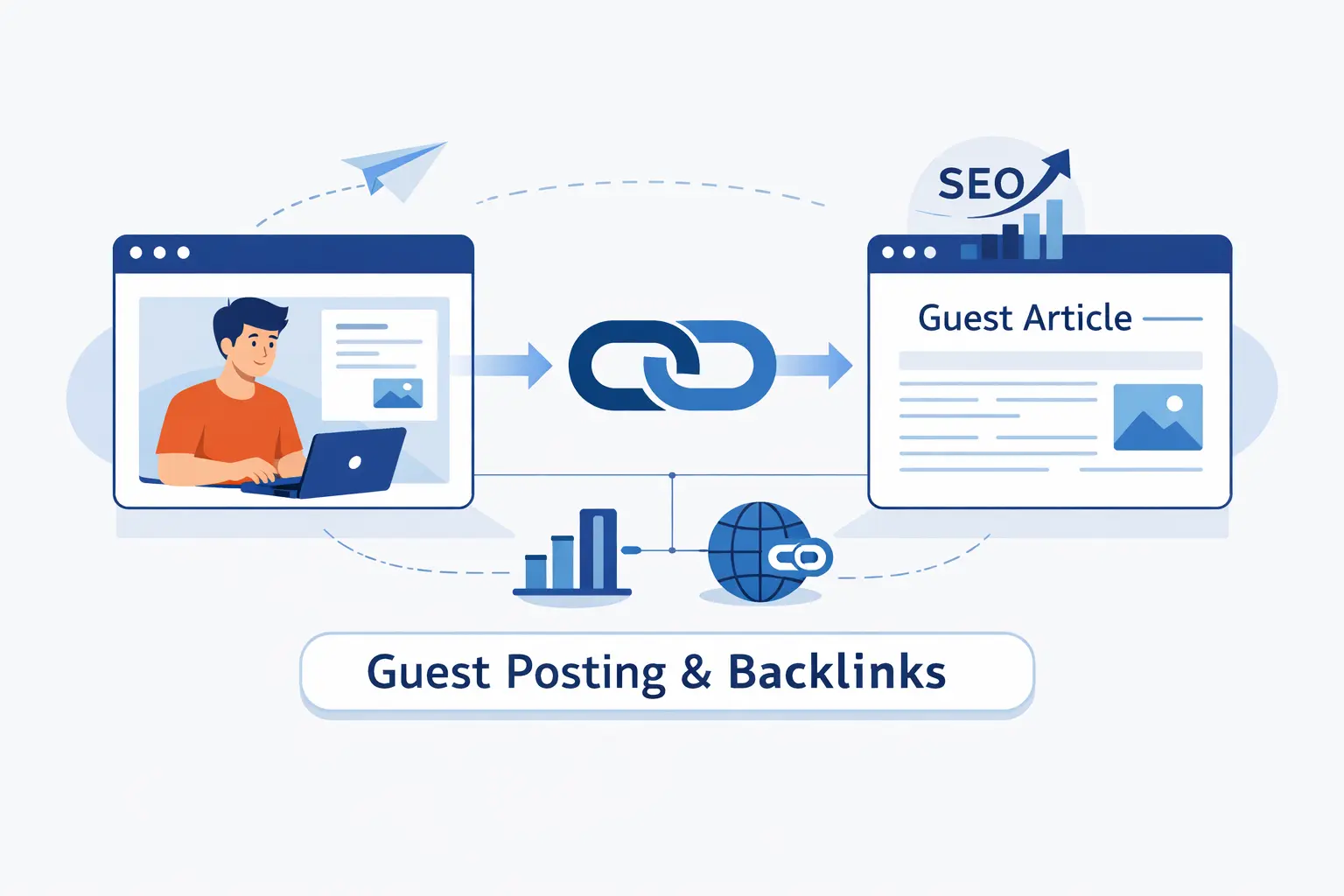
Guest posting still works when it is treated as publishing, not dumping. We use it to reach aligned audiences, demonstrate expertise, and earn a relevant citation in the process. That is a very different mindset from chasing any site that says yes.
1. Find Contextually Aligned Sites Instead of Chasing Any Placement
The right site serves the readers you want, covers the topics you actually know, and maintains editorial standards. The wrong site offers an easy yes and no meaningful audience. We pass on the second type every time.
A good test is whether we would still want the placement if search engines ignored the link. If the audience value disappears, the opportunity was weak to begin with.
2. Pitch Useful Topics That Fit the Publisher Audience
Editors do not need our content calendar. They need a topic their readers will care about. We pitch pieces that answer a real question, bring field experience, or simplify a messy choice. Specificity wins.
We also avoid writing the same article everywhere. Repetition weakens trust. Fresh angles give publishers a reason to say yes and readers a reason to keep reading.
3. Use Author Bios and In-Content Mentions Naturally
Natural placement matters. Sometimes the best citation belongs in the body because it supports an example or a claim. Other times the author bio is enough. We do not force both unless the piece truly supports it.
Restraint helps the article look cleaner and the relationship feel more professional. Editors notice when a contributor is trying too hard to squeeze in extra references.
Strengthen Local and Platform-Based Signals
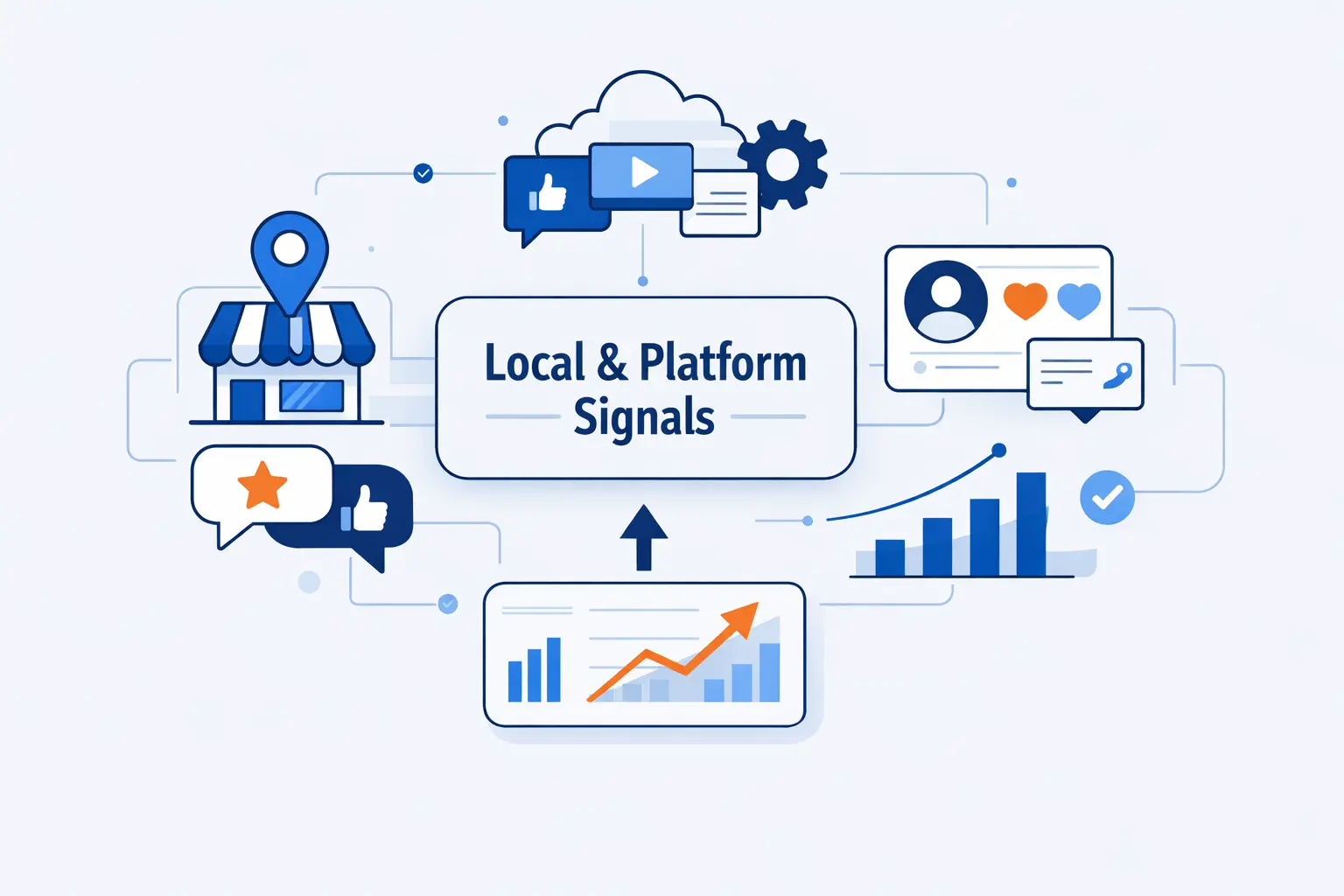
Not every useful mention comes from a magazine or blog. Platform pages, local profiles, and business listings can reinforce trust, entity understanding, and brand consistency. For many companies, they are a practical part of a balanced backlink strategy.
1. Build Directory Listings That Real Customers Actually Use
We focus on directories with real search demand and real buyer behavior. That might be a software marketplace, a local chamber, a trade association, a professional directory, or a category-specific review platform. The test is simple. Would a prospect genuinely use this page to check whether we are legitimate?
These listings work best when they are complete. Add descriptions, categories, photos, contact details, and supporting proof where allowed. A thin profile does little. A complete one can quietly reinforce trust.
2. Improve Local Trust With Google Business Profile and NAP Citations
For local signals, consistency still matters. Google says businesses with complete and accurate info are more likely to appear in local results, which is why we treat name, address, phone data, hours, and category choices as basic trust work.
We also want those details to match across the web. Even when the SEO impact is modest, consistent business data reduces friction for users, support teams, sales teams, and reviewers.
3. Use YouTube, Show Notes, and Embeds to Extend Visibility
YouTube content can create a useful citation loop. Publish the video, write detailed show notes, embed the video back into the related article, and link to the original resource from the description. This helps viewers move between formats without losing context.
We like this especially for tutorials, interviews, webinars, and product explainers. A good video rarely earns value from the upload alone. The surrounding pages are where the extra visibility often shows up.
How to Evaluate Opportunities and Measure Results
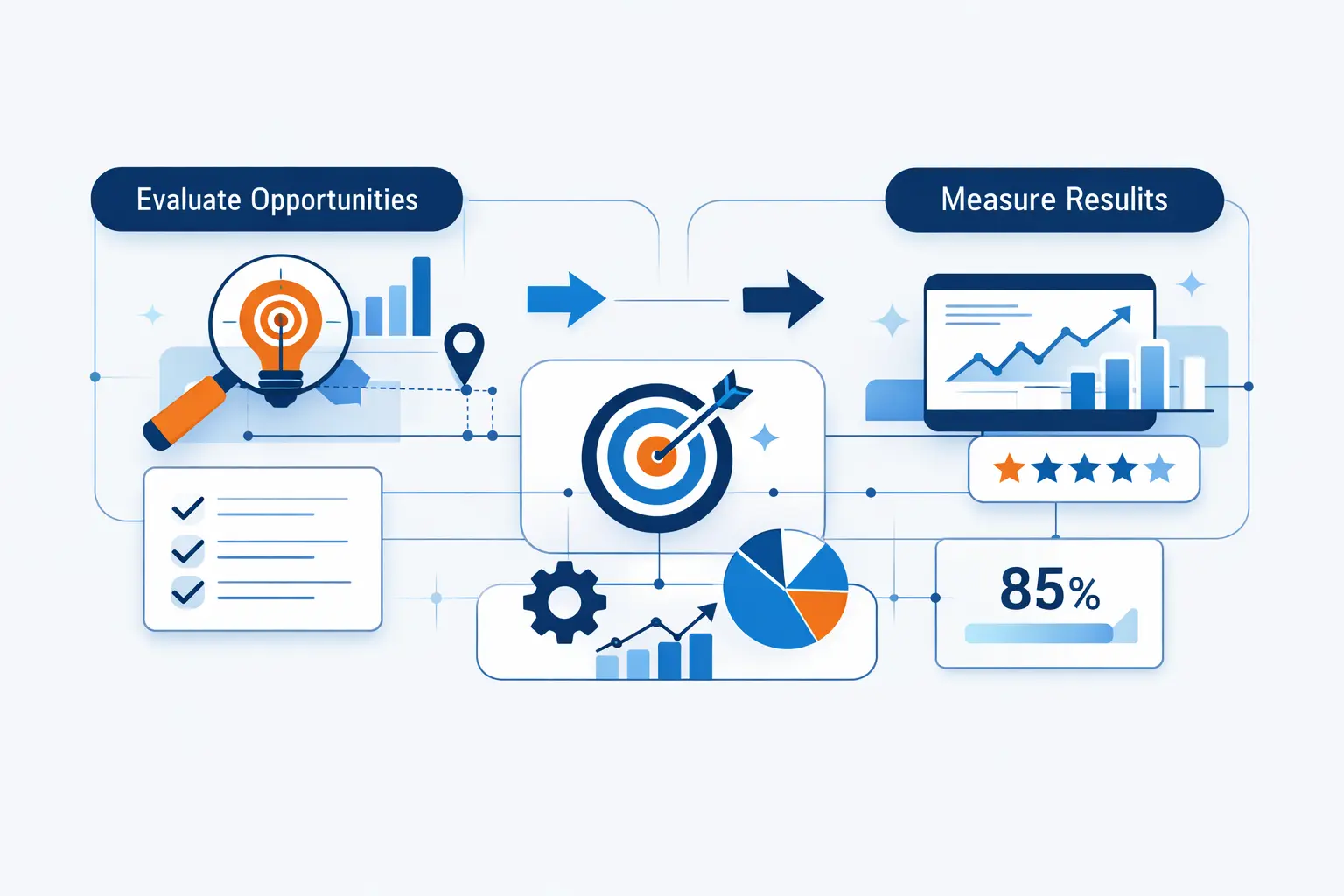
A backlink strategy gets better when measurement is honest. We do not want to celebrate links that look nice in a report but do nothing for visibility, trust, or revenue. Good evaluation keeps the campaign grounded.
1. Judge Link Quality by Authority, Relevance, Placement, and Traffic Potential
We score opportunities with a simple lens. Is the site trusted? Is the page relevant? Is the mention placed where readers will see it? Can it send qualified visitors? A strong yes across those questions usually beats raw authority alone.
Placement inside the main content is often worth far more than a buried mention on an archive page. We also care about freshness. A living page that gets updated and revisited can keep paying off.
2. Understand When Follow Links, Nofollow Links, and Mentions Still Help
Follow links are still the clearest SEO win because they pass stronger ranking signals. But we do not dismiss nofollow links or plain mentions. They can send referral traffic, expose the brand to editors, trigger branded searches, and lead to future citations on other pages.
We think about the full path. A nofollow mention in a respected publication can spark discussion, newsletter shares, social posts, and later editorial references. The first citation is not always the one that moves rankings. Sometimes it starts the chain.
3. Track Live Placements, Referring Domains, Referral Traffic, and Assisted Conversions
We track whether the page stayed live, whether the domain is new, whether people clicked through, and whether those visits contributed to leads or sales later. Assisted conversions matter because backlinks often influence journeys that are not linear.
We also annotate campaigns by asset type. A calculator behaves differently from a case study. A PR mention behaves differently from a partner listing. When we split the data that way, we can stop guessing and fund what is actually working.
4. Monitor AI Visibility, Share of Voice, and Citation Growth
We now watch whether our brand appears in AI-generated answers, summaries, and comparison responses for a fixed set of prompts. That gives us a rough share-of-voice view beyond classic rankings. It is not perfect, but it is useful.
We also log which pages get cited most often. Over time, this shows what the market sees as our strongest proof. That insight helps us decide which assets deserve updates, outreach, and republishing support.
Common Backlink Strategy Mistakes to Avoid
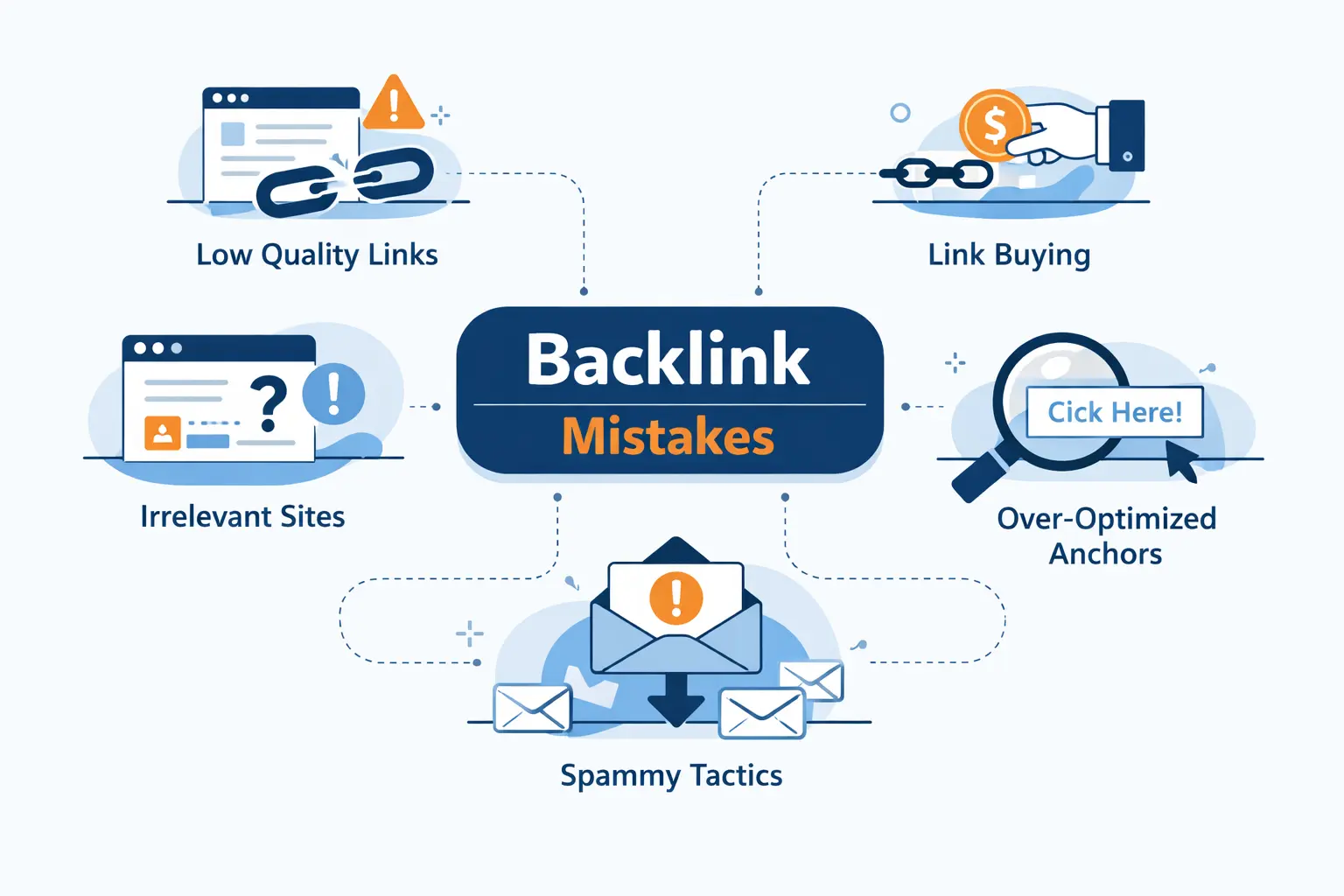
Most backlink problems are not mysterious. They come from impatience, weak standards, or wishful thinking. We have made enough of those mistakes ourselves to know they are expensive.
1. Chasing Irrelevant Links, Link Swaps, and Spammy Placements
Irrelevant links inflate reports and weaken trust. So do obvious swaps, paid placements disguised as editorial, and pages built only to host outgoing references. These tactics can look productive for a short while, but they age badly.
Our rule is plain. If the page would not make sense to a human reader, it probably will not age well with search systems either.
2. Prioritizing Quantity Over Trust, Context, and Audience Fit
More is not better when the extra volume comes from weak sites. We would rather earn fewer mentions that reach the right audience than pile up links that no buyer will ever see. Context is part of quality.
Audience fit matters because backlinks are not only for algorithms. They are also referrals, credibility signals, and proof points during research.
3. Waiting for Great Assets to Earn Links Without Promotion
Great pages do not always market themselves. We have seen strong tools and studies sit unnoticed because nobody promoted them to journalists, partners, communities, or customers. Publishing is only half the job.
The fix is simple. Build the asset, package the angle, and distribute it where the right people already pay attention.
Backlink Strategy FAQ
These are the questions we hear most often from site owners and marketing teams when they start building a backlink strategy for real, not just for a dashboard screenshot.
1. What Is an Example of a Backlink?
A simple example is when an industry blog writes about website security and cites your SSL guide with a clickable reference to that page. The reader can click through, and search engines can see the connection between the two pages.
2. What Are Three Effective Backlink Strategies?
Our favorite three are publishing original assets worth citing, turning existing relationships into references, and earning editorial mentions through expert commentary. They work for different reasons, which is exactly why they combine well.
3. Are Backlinks Still Important in 2026?
Yes. We believe they remain important because they still help search systems understand authority and because they influence who gets cited across the wider web. Their role has matured, but it has not disappeared.
4. What Are the Three Types of Backlinks?
We usually group them into editorial backlinks, relationship-based backlinks, and platform or citation backlinks. SEO tools may classify them differently by attributes, but this three-part view is useful when planning acquisition.
5. How Long Does It Take for a Backlink Strategy to Work?
Expect early signals within several weeks and stronger movement over a few months. The exact pace depends on your niche, your assets, your site’s existing authority, and how consistently you promote the work.
6. What Makes a High-Quality Backlink?
Relevance, trust, context, and reader value. If the citation sits on a respected page, fits the topic, helps the audience, and points to a useful destination, it is usually a strong backlink.
How 1Byte Supports a Stronger Backlink Strategy
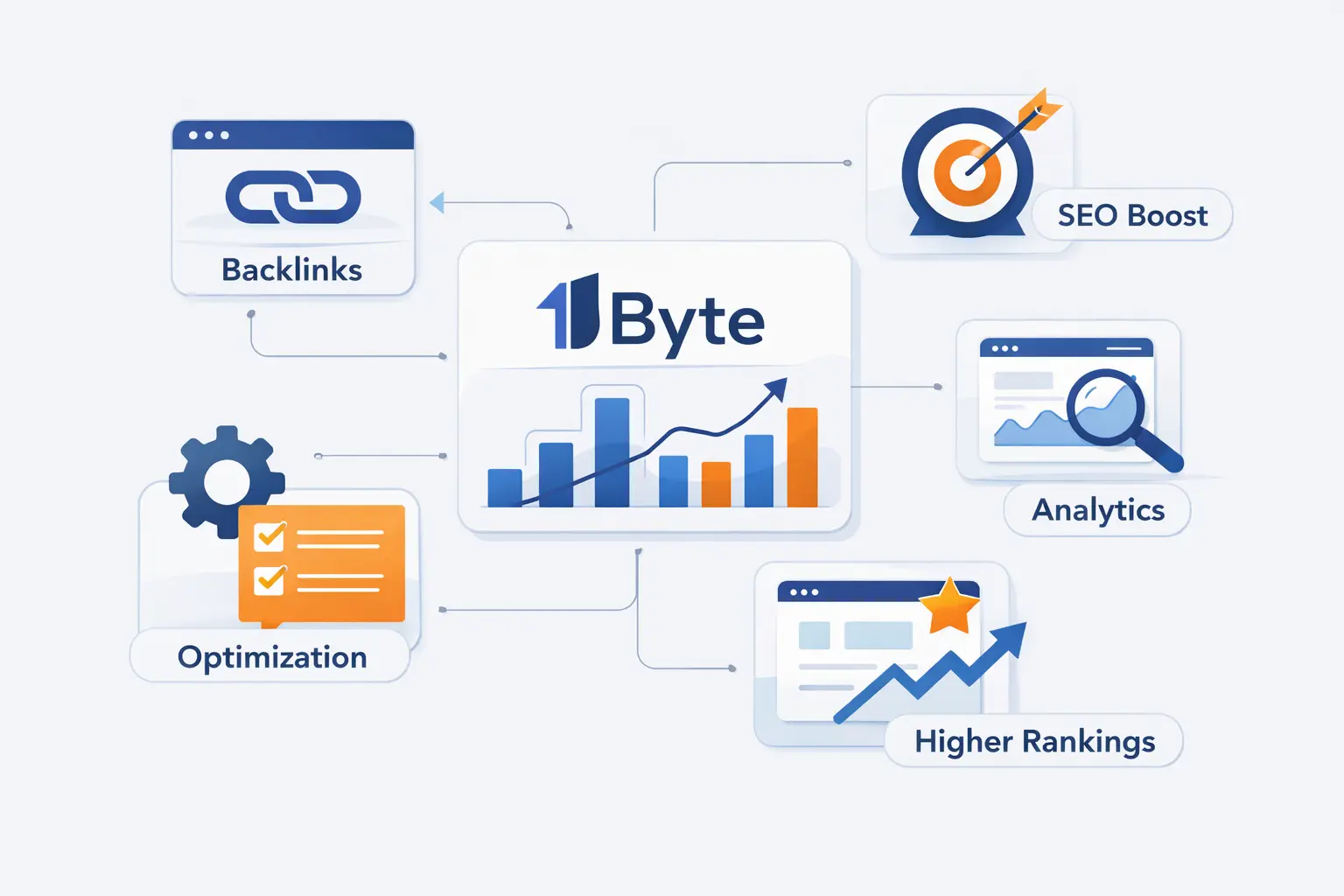
At 1Byte, we do not think hosting and backlink strategy live in separate worlds. If your site is slow, unstable, insecure, or hard to publish on, even the best-earned mention loses force. Strong links need strong destinations.
1. Build Trust From Day One With Domain Registration and SSL Certificates
Trust starts before a page ranks. A clean domain setup and valid SSL certificate reduce doubt for users, browsers, and editors who may check your site before citing it. If a page throws warnings or looks neglected, your outreach gets harder.
We want the first impression to feel dependable. That sounds basic because it is basic. Yet basics win more backlinks than most teams admit.
2. Publish and Scale Content With WordPress Hosting, Shared Hosting, and Cloud Hosting
A backlink strategy needs publishing consistency. WordPress hosting helps teams move quickly. Shared hosting can be a sensible starting point for lighter projects. Cloud hosting gives more room when traffic, content, or operational needs expand.
From our side at 1Byte, the goal is simple. Make it easier to launch assets, update them fast, and keep them online when a mention sends real visitors.
3. Support Growth With Cloud Servers and AWS Partner Expertise
As campaigns mature, the technical side gets more important. Research hubs, media pages, tools, and content libraries need dependable infrastructure, staging workflows, backups, and room for traffic spikes. Cloud servers help when the project outgrows a basic setup.
Our AWS Partner expertise also helps teams think beyond hosting alone. We can support the architecture behind the content machine, which matters when your backlink strategy starts producing serious attention.






How to Build a Backlink Strategy That Compounds Over Time
The best backlink strategy does not chase shortcuts. It compounds through useful assets, better relationships, stronger positioning, and a site worthy of the visit. That is the part we keep coming back to at 1Byte. Links last longer when they were earned for the right reasons.
If we had to sum it up in one line, it would be this. Publish things people genuinely want to cite, then make it easy for the right people to find them. Do that consistently, and backlinks stop being a campaign trick. They become a byproduct of credibility.