

- How Much Does It Cost to Start an LLC at a Glance
- How Much Does It Cost to Start an LLC by State
- Mandatory LLC Costs to Budget for
- Additional LLC Costs That Change by Business and Location
- Ongoing LLC Costs to Expect After Formation
- Professional Help or Do It Yourself LLC Formation
- How Much Does It Cost to Start an LLC in Texas
- How Much Does It Cost to Start an LLC in California
- How to Estimate and Lower Your First Year LLC Cost
- FAQ
- How 1Byte Helps New LLCs Build Their Online Presence
- Final Thoughts on How Much It Costs to Start an LLC
When founders ask us, “how much does it cost to start an LLC,” we give the same answer every time. The filing fee is only the front door. The real cost depends on your state, your business type, your licenses, and how carefully you handle compliance. That matters because new business formation is still active. The U.S. Census Bureau reported 497,046 business applications in December 2025, which tells us plenty of people are still taking the leap.
At 1Byte, we think this topic gets oversimplified. Too many guides fixate on one filing fee and skip the follow-up costs that catch founders off guard. If you want a realistic budget, you need to separate what is mandatory, what is recurring, and what is optional.
How Much Does It Cost to Start an LLC at a Glance
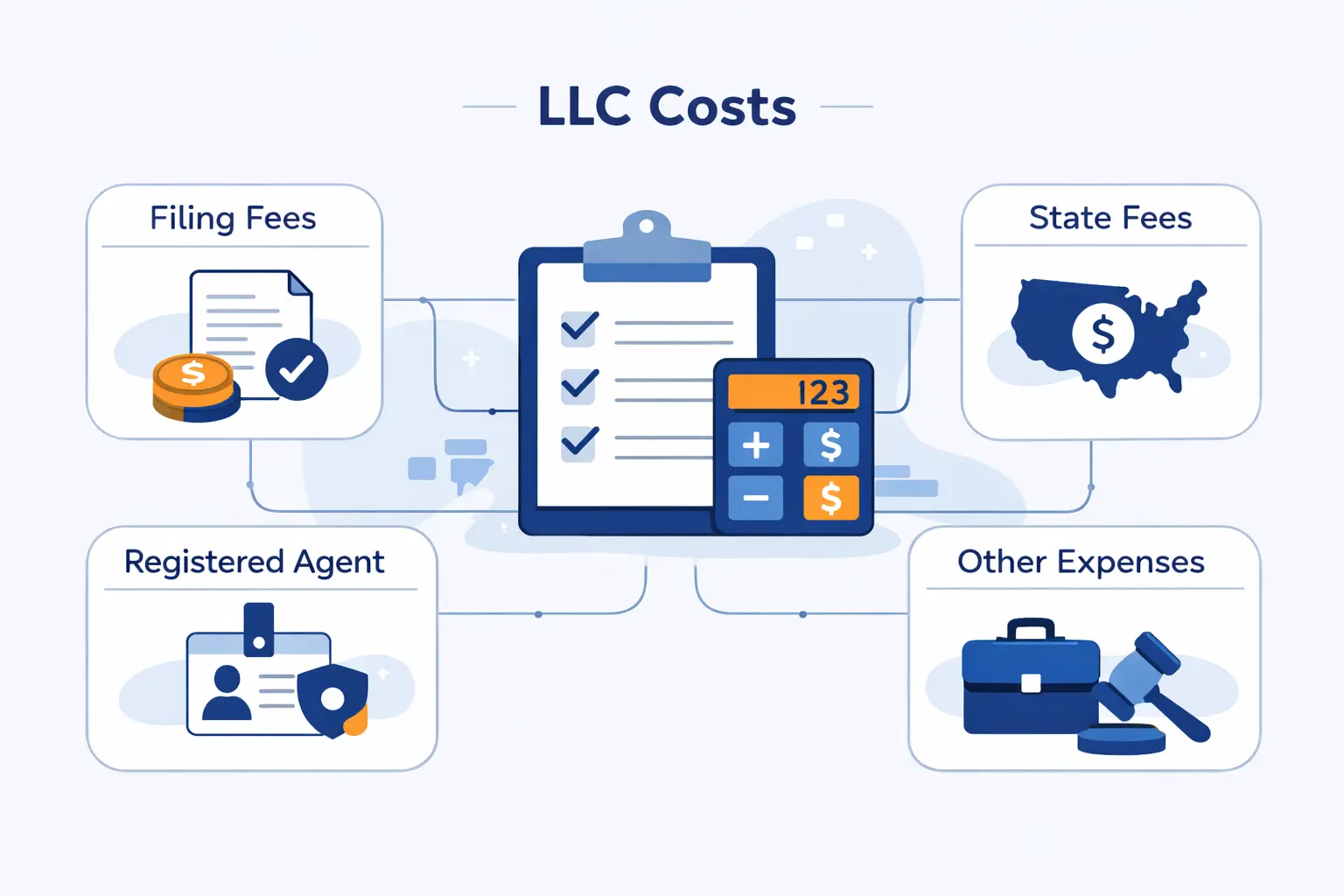
At a glance, the cost to start an LLC usually breaks into three buckets. First comes the state filing cost. Then come early compliance items, such as reports, taxes, or licenses. After that, you may choose extra help for privacy, paperwork, or legal review.
1. Why There Is No Single Price to Start an LLC
There is no universal LLC price because every state sets its own rules. Some states keep formation simple and cheap. Others keep the filing fee modest but add annual taxes, publication rules, or recurring reports. Your profession also matters. A freelance designer and a home health agency will not face the same setup bill.
2. The Main Cost Drivers in the First Year
The first-year cost is usually shaped by six things. Those are the formation filing, the initial report, a registered agent if you hire one, business licenses, any local permits, and whether you use a filing service or lawyer. We would add one more factor that people forget. If you form in the wrong state, the clean-looking price can turn into two-state compliance.
3. Which LLC Costs Are Mandatory, Ongoing, and Optional
Mandatory costs are the ones you cannot skip if you want a valid LLC. Ongoing costs are the ones that keep the LLC in good standing. Optional costs are the convenience items, like a paid registered agent, expedited filing, or attorney review. That distinction matters because the cheapest filing path is not always the cheapest ownership path.
How Much Does It Cost to Start an LLC by State
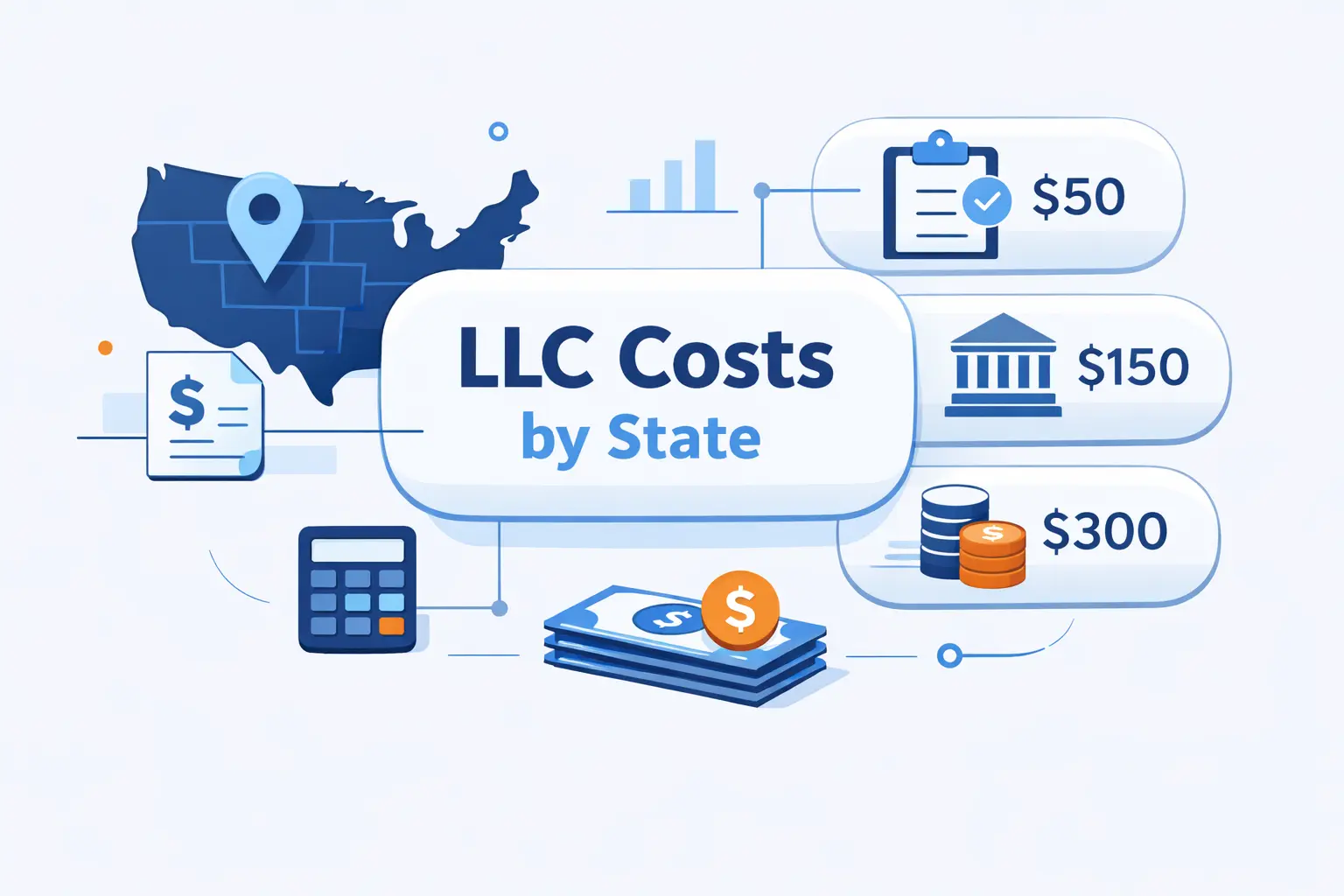
State choice drives the biggest price swings. In our view, this is where founders either save money or create a long-term headache.
1. Why State Filing Fees Vary So Much
States use different business filing systems and revenue models. Some raise more money up front. Others collect more through annual reports, franchise taxes, or extra steps after formation. That is why comparing only the initial filing fee can be misleading.
2. Low Cost, Midrange, and Higher Cost State Examples
A low-cost state is usually one with a simple filing process and light recurring paperwork. A midrange state often has a reasonable filing fee but still expects annual maintenance. A higher-cost state may get expensive because of annual taxes or extra publication rules. New York is a classic example because the LLC publication requirement must be handled within 120 days after formation, and newspaper charges can make the real startup cost much higher than the base filing alone.
3. Choosing Between Your Home State and Out of State Formation
Most small businesses should form in the state where they actually operate. If you live and work in your home state, forming elsewhere usually does not erase your home-state obligations. Instead, it often adds a foreign registration, another agent, and another stream of compliance. We rarely think that trade is worth it for a new one-owner business.
Mandatory LLC Costs to Budget for
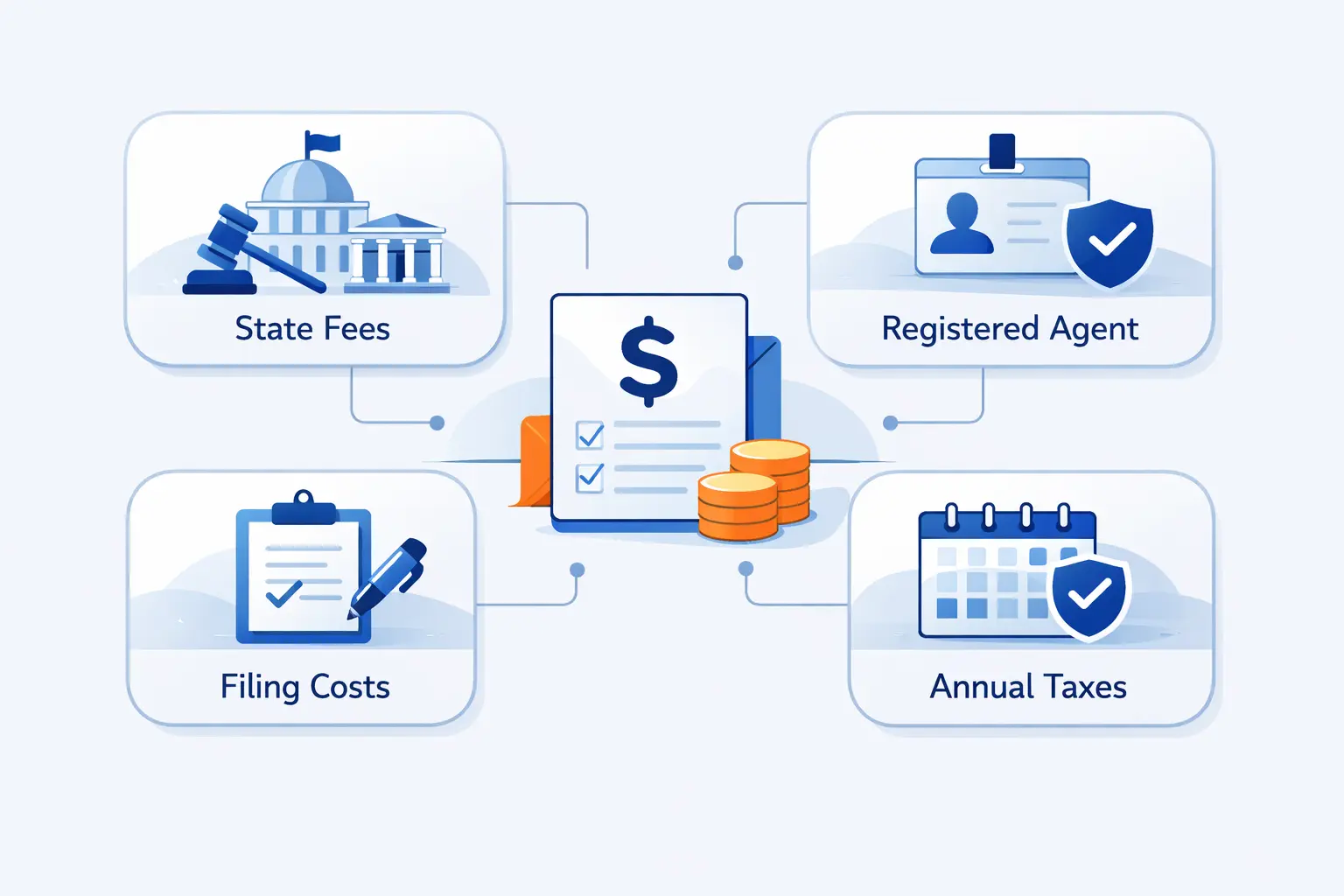
If you want a realistic number, start with the costs you cannot avoid. Everything else belongs in a second pass.
1. Articles of Organization or Certificate of Formation
This is the document that legally creates the LLC. States use different names for it, but the purpose is the same. You file basic details about the business, pay the state, and receive confirmation if the filing is accepted. For most founders, this is the minimum unavoidable startup cost.
2. Initial Reports, Statements of Information, and Other Post Filing Requirements
Some states want a follow-up filing soon after formation. That may be an initial report, a statement of information, or a similar update that confirms your address, agent, and management details. Missing it can trigger penalties or a bad standing notice even when the LLC itself was formed correctly.
3. State Filing Add On Costs Such as Online Processing, Credit Card Fees, and Expedited Service
Add-on costs are where small overruns begin. The filing itself may look manageable, but card processing, certified copies, name reservations, and faster turnaround can push the total higher. If you are in a rush to open a bank account or sign a contract, those optional charges stop feeling optional.
Additional LLC Costs That Change by Business and Location
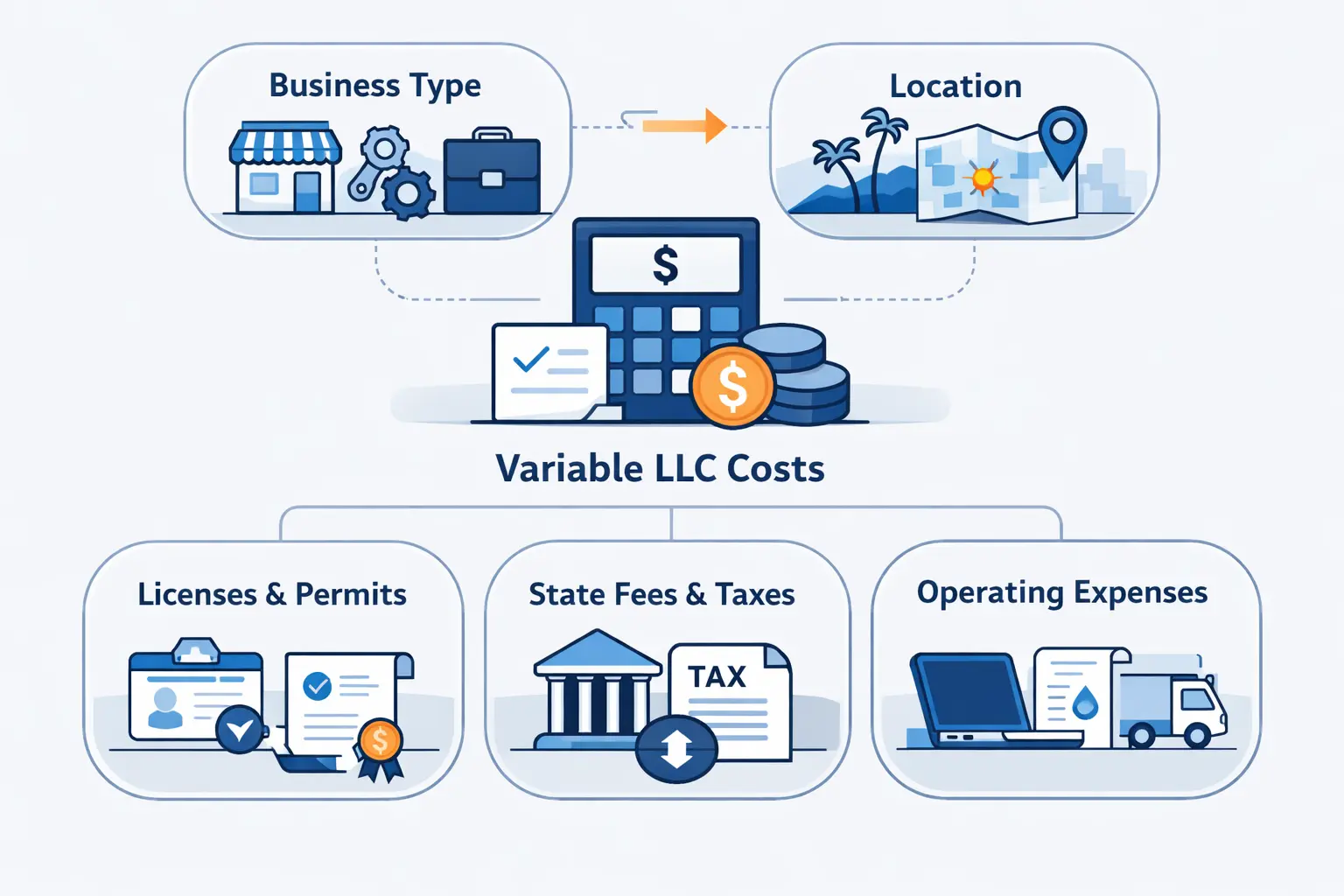
After the core state filing, costs start to depend on what you do and where you do it. This is why two owners in the same state can have very different first-year budgets.
1. Registered Agent Service and Address Privacy
Every LLC needs a registered agent with a valid address in the state. If you have a suitable in-state address and do not mind it being public, you may be able to serve in that role yourself. If privacy matters, or if you travel often, a paid service can be money well spent.
2. Business Licenses, Professional Licenses, and Local Permits
Many founders assume the LLC filing is the license to do business. It is not. Cities, counties, and licensing boards may still require separate approvals. Contractors, food businesses, childcare providers, health professionals, and sellers collecting local tax often face extra filings early.
3. Name Reservation, DBA Filings, and Publication Requirements
You may not need every one of these. Name reservation helps when you want to hold a name before filing. A DBA, sometimes called an assumed name or fictitious name, helps when you market the business under a different public name. Publication rules only apply in some states, but when they do, they can change the budget fast.
Ongoing LLC Costs to Expect After Formation
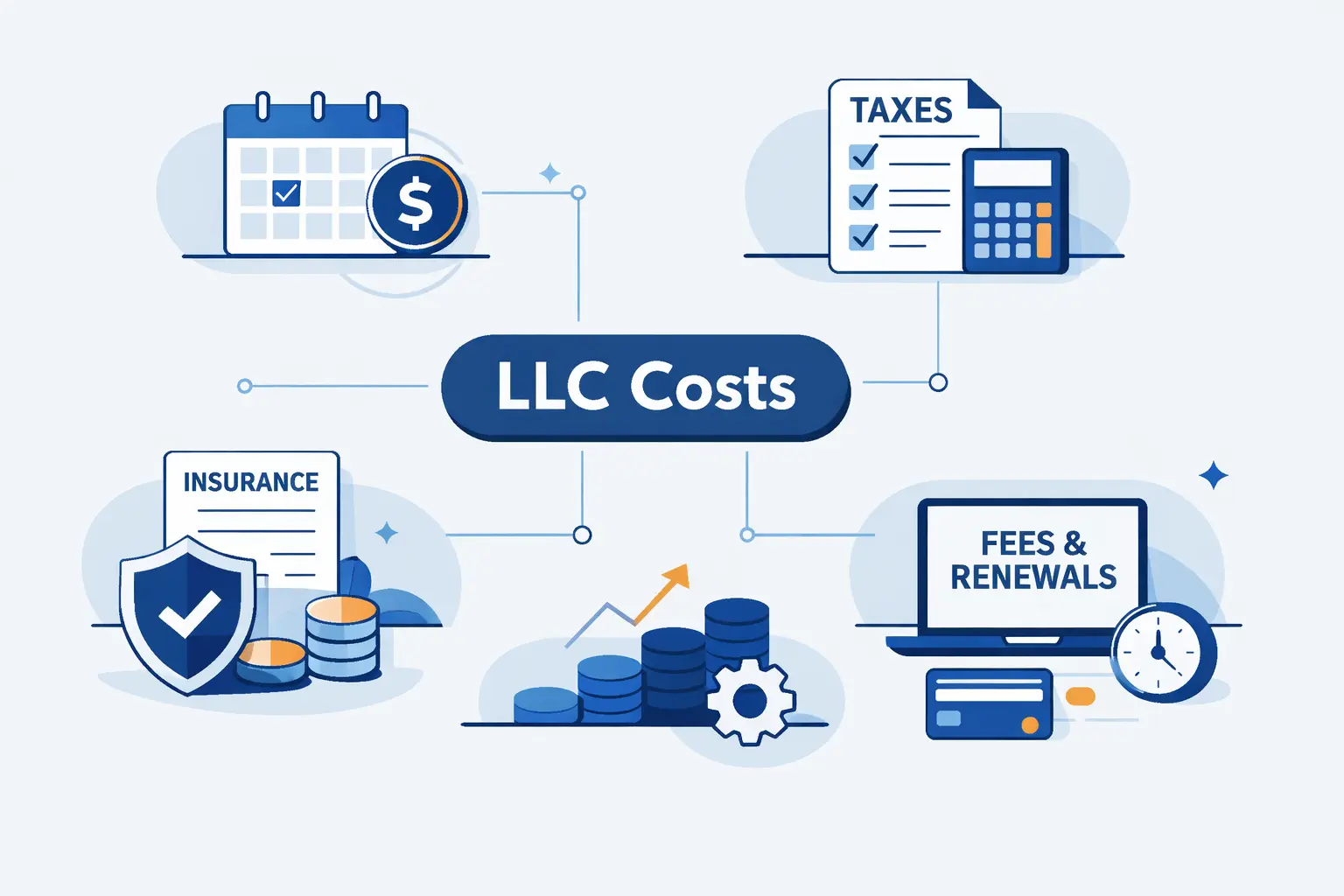
Forming the LLC is not the finish line. In practice, it is the opening move.
1. Annual Reports, Biennial Reports, and Renewal Deadlines
Most states require some recurring report to keep the record current. The timing varies. Some want it every year, others every two years. The key point is simple. If you miss the deadline, you can fall out of good standing, which can block financing, contracts, or even reinstatement without extra cost.
2. Franchise Taxes and Other State Maintenance Fees
Some states charge a maintenance tax or fee just for the privilege of keeping the entity active. That charge may apply even when the business is quiet or not yet profitable. This is one of the biggest reasons a “cheap” state on day one can become an expensive state by year two.
3. Insurance, Amendments, and Other Long Term Compliance Costs
Insurance is not part of the LLC filing, but it is often part of owning a serious business. General liability, professional liability, workers’ compensation, and commercial auto can all enter the picture. Over time, you may also pay to amend the LLC, change the agent, file foreign qualifications, or clean up missed filings.
Professional Help or Do It Yourself LLC Formation
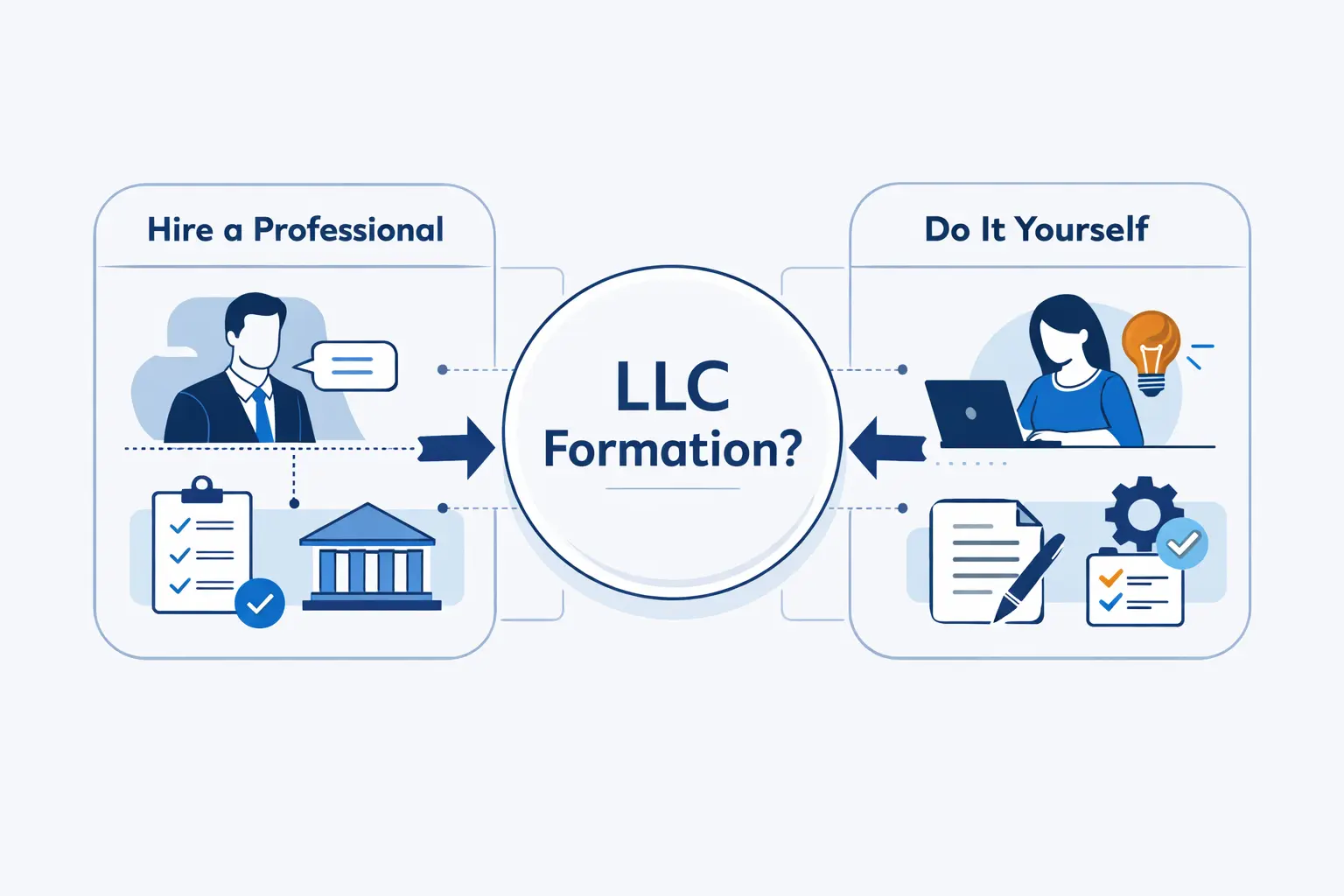
We do not think every LLC needs a lawyer on day one. We also do not think every founder should go fully solo. The right path depends on complexity.
1. What It Costs to File the LLC Yourself
DIY filing usually means you pay the state directly and handle the paperwork yourself. That keeps the initial bill lean. It makes the most sense for a simple business with one owner, one state, and no unusual licensing or tax questions.
2. When an Online Formation Service Makes Sense
An online service can make sense when you want a cleaner checklist, deadline reminders, or a registered agent in one package. We like this middle ground for founders who are comfortable making decisions but do not want to chase every form from scratch.
3. When a Lawyer Is Worth the Higher Cost
A lawyer is often worth it when there are multiple owners, uneven profit-sharing plans, investor plans, regulated work, or uncertainty about where the company should register. This is also true when your operating agreement needs real customization. Cheap formation becomes expensive when ownership disputes arrive later.
How Much Does It Cost to Start an LLC in Texas
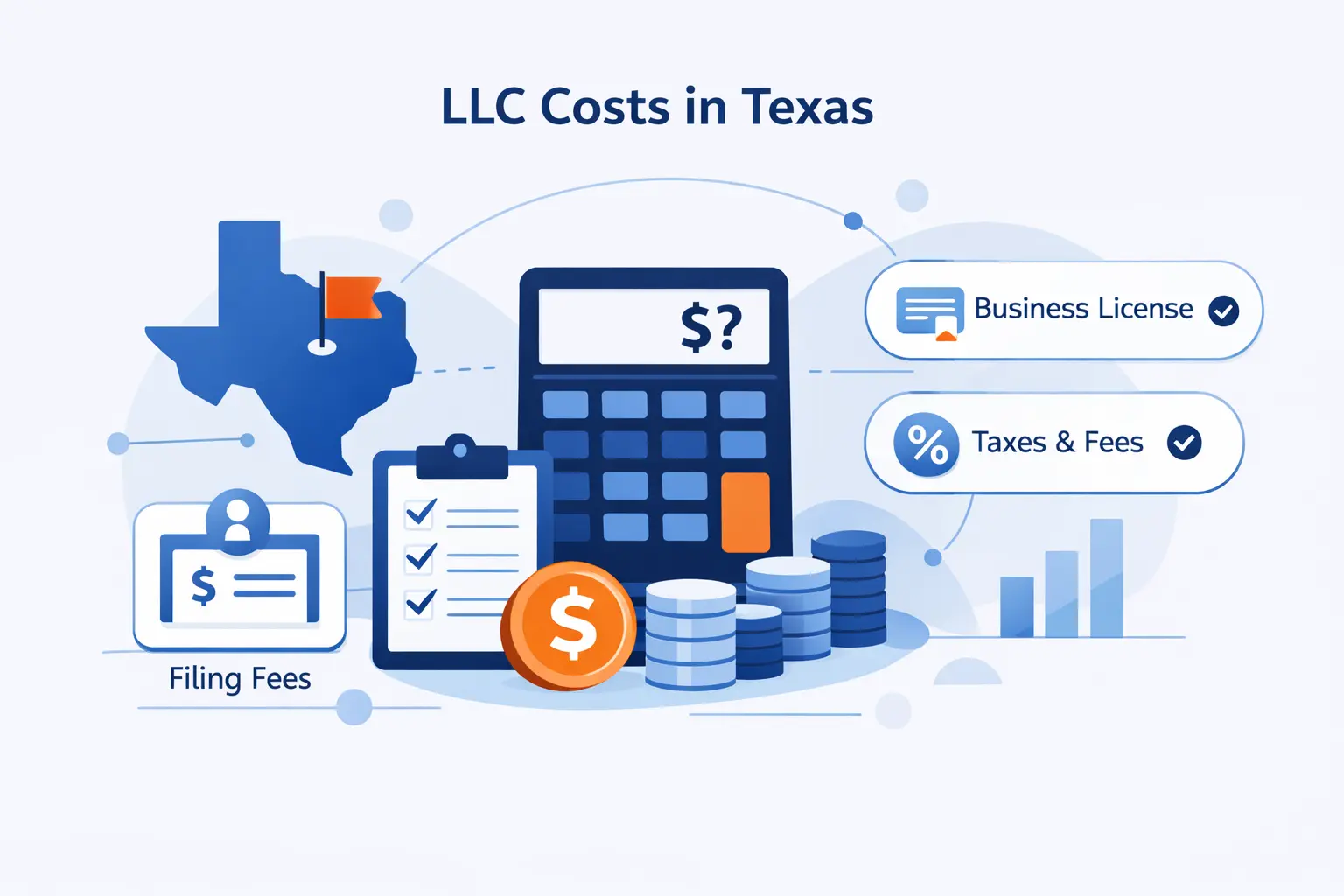
Texas is a good example of a state with clear rules and predictable filings. It is not the rock-bottom option, but it is easy to budget once you know the moving parts.
1. Texas Formation Fees, Franchise Tax, and Public Information Report
Texas charges $300 to form a domestic LLC, and the same official fee schedule shows a foreign registration fee of $750, a name reservation fee of $40, and an assumed name filing fee of $25. That same schedule also shows expedited processing options, which can add a noticeable premium when speed matters.
For 2026 reports, the no-tax-due threshold is $2.65 million, but that does not mean you can ignore Texas compliance. Texas still expects many LLCs to submit the annual Public Information Report, even when no franchise tax is owed.
2. Texas Local Licenses, Professional Licenses, and Insurance Costs
Texas does not replace local rules with the LLC filing. Your city, county, and profession may still require permits or separate registrations. Insurance is also a practical budget line here, especially if you have vehicles, job sites, client property, or employees.
3. Texas Name Reservation, Assumed Name, and Foreign Registration Costs
Texas is straightforward if you read the fee table before filing. Reserve a name only if you truly need time. Use an assumed name only if your public brand differs from the legal LLC name. And if you already formed elsewhere, remember that foreign registration is a second layer of cost, not a shortcut around Texas compliance.
How Much Does It Cost to Start an LLC in California
California is one of the clearest reminders that the filing fee is only part of the story. The first document is affordable enough. The ongoing rules are what change the math.
1. California Filing Fees and Statement of Information Costs
California’s base LLC formation filing is $70, and the same state filing page says the initial Statement of Information is due within 90 days and costs $20. After that, California expects the statement again every two years, so founders should treat it as part of the normal maintenance cycle.
2. California Annual Franchise Tax and Gross Income Based Fees
Once California-source income passes $250,000, the extra LLC fee begins, and the same California tax guidance also explains the separate minimum annual tax and the higher fee bands above that threshold. In other words, California can look manageable at filing time and still become one of the more expensive states to maintain.
We think this is the detail founders miss most. If you form the LLC and then let it sit, the state may still expect ongoing compliance until the entity is properly canceled.
3. California Registered Agent, Business License, and Tax Deduction Considerations
California founders often pay extra for privacy through a registered agent service, especially when working from home. Local business license rules can also kick in at the city or county level. On the tax side, some formation and maintenance costs may be deductible or require different treatment depending on your facts, so it is smart to ask a CPA before guessing.
How to Estimate and Lower Your First Year LLC Cost
The best estimate is not a single number. It is a short budget worksheet with required costs first and nice-to-have costs second.
1. Build a Lean Budget Around Required State Fees
Start with your state filing fee, required early report, expected tax or maintenance fee, and one line for local licensing. Then add a registered agent only if you truly need one. We like a simple rule here. Budget for compliance first, branding second, and convenience third.
2. Use Free or Low Cost Options for EIN Filing and Operating Agreements
You can often trim early costs without cutting corners. An EIN can be free in minutes when you apply directly instead of paying a third party, and many simple LLCs can begin with a plain, well-structured operating agreement rather than an expensive custom draft.
3. Avoid Late Fees and Review Potential Tax Deductions
The cheapest way to lower LLC cost is to avoid preventable mistakes. Put every state deadline on your calendar. Save every filing receipt. Keep formation and licensing expenses organized. Then review them with a tax professional so you know what may be deductible and what needs different treatment.
FAQ

These are the practical questions we hear most often from first-time founders.
1. How Much Money Do I Need to Open an LLC?
You need enough to cover your state filing and the first round of compliance. For some founders, that is a modest amount. For others, licenses, agent service, or taxes push the first-year budget much higher.
2. Is It Worth Starting My Own LLC?
Often, yes. An LLC can separate business liability from personal affairs and can make a young business look more established. We think it is worth it when the business is real, the records are kept clean, and the owner is ready to maintain it properly.
3. Do You Have to Pay the $800 California LLC Fee Every Year?
Usually yes, as long as the California LLC remains active and subject to the state’s rules. The important point is that closing the doors informally is not the same as canceling the entity properly.
4. Can I Start an LLC Without Making Money?
Yes. Many founders form an LLC before revenue arrives. Just remember that the state may still expect reports, taxes, or renewals even during a slow launch period.
5. What Are the Ongoing Costs After Forming an LLC?
The common ones are annual or biennial reports, franchise or maintenance taxes, registered agent service, local licenses, tax preparation, and insurance. Amendments and late filings can add more.
6. Can You Start an LLC for Free?
Usually no. The state formation fee is often unavoidable. What you can do is keep the process lean by filing directly, getting the EIN yourself, and skipping paid extras you do not actually need.
How 1Byte Helps New LLCs Build Their Online Presence
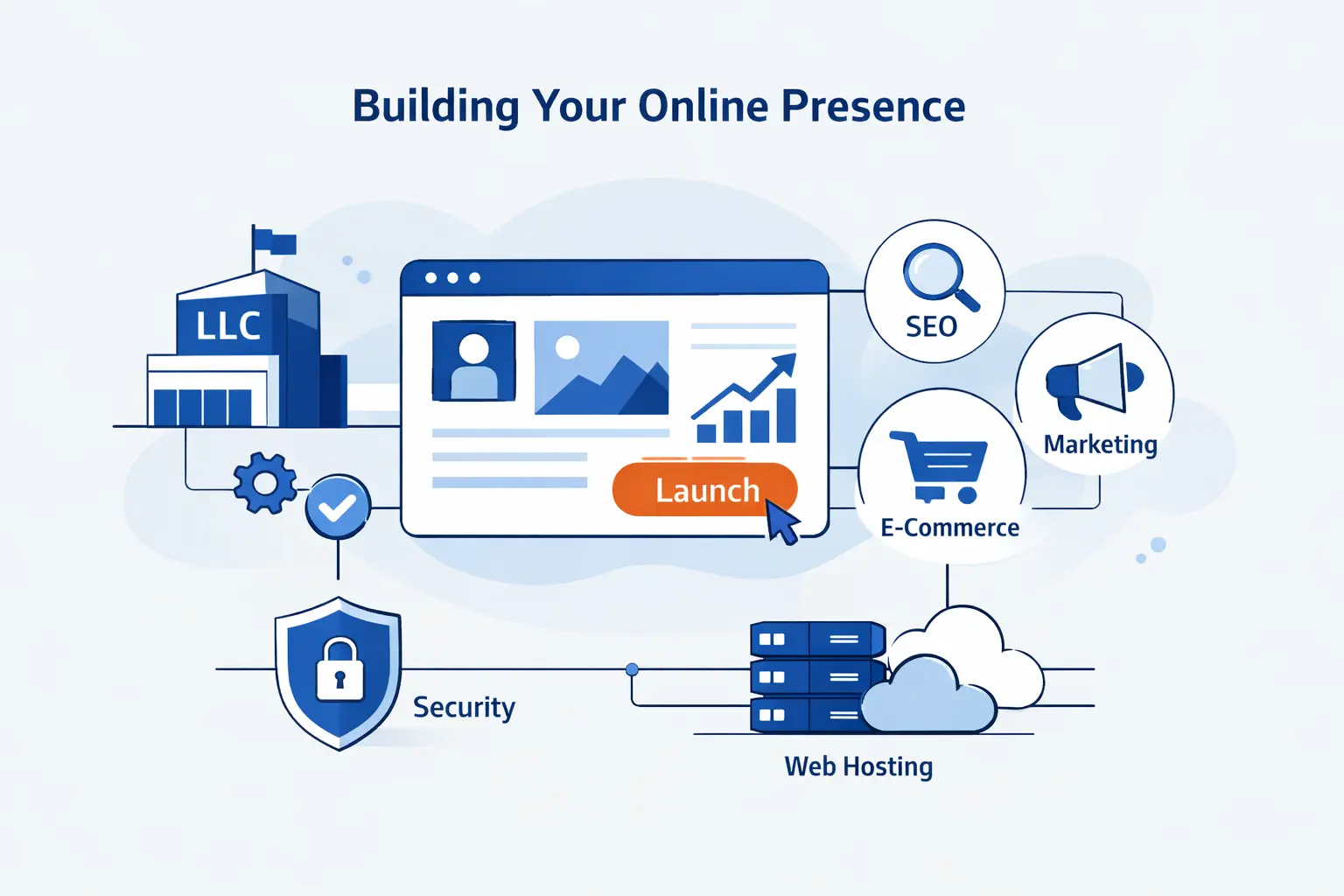
Once the LLC exists on paper, the next job is showing up online like a real business. At 1Byte, we see many founders wait too long on that step.
1. Domain Registration and SSL Certificates for a Trusted Business Presence
Your domain is the front sign on your digital storefront. Your SSL certificate tells browsers the site can be trusted with forms, logins, and contact details. We believe every new LLC should lock down its domain early, even before the website is fully built.
2. WordPress Hosting, Shared Hosting, and Cloud Hosting for New LLC Websites
Not every new business needs the same hosting plan. Shared hosting fits a lean brochure site. WordPress hosting makes sense when the site will be content-driven and frequently updated. Cloud hosting is the better fit when you expect heavier traffic, custom apps, or more control over performance.
3. Cloud Servers and AWS Partner Support for Growing LLCs
As the business grows, the website often turns into a sales tool, a booking engine, or a customer portal. That is where cloud servers, better backup strategy, stronger security, and AWS partner support start to matter. We like helping founders make that jump before downtime or poor speed starts costing them business.
Final Thoughts on How Much It Costs to Start an LLC
1. Compare State Fees, Ongoing Costs, and Support Before You File
The smart comparison is never just filing fee versus filing fee. Compare what the state charges up front, what it expects every year, and how much support you need to stay compliant.
2. Budget for Compliance, Not Just the Filing Fee
If we could give one piece of advice, it would be this. Budget for the whole first year, not the opening transaction. That one habit prevents most unpleasant surprises.







3. Choose the Setup Path That Fits Your Business
A simple one-owner LLC may be fine with a direct state filing. A more complicated business may need a formation service or lawyer. Either way, the best setup is the one that fits your actual business, your state, and your ability to keep the company in good standing.