

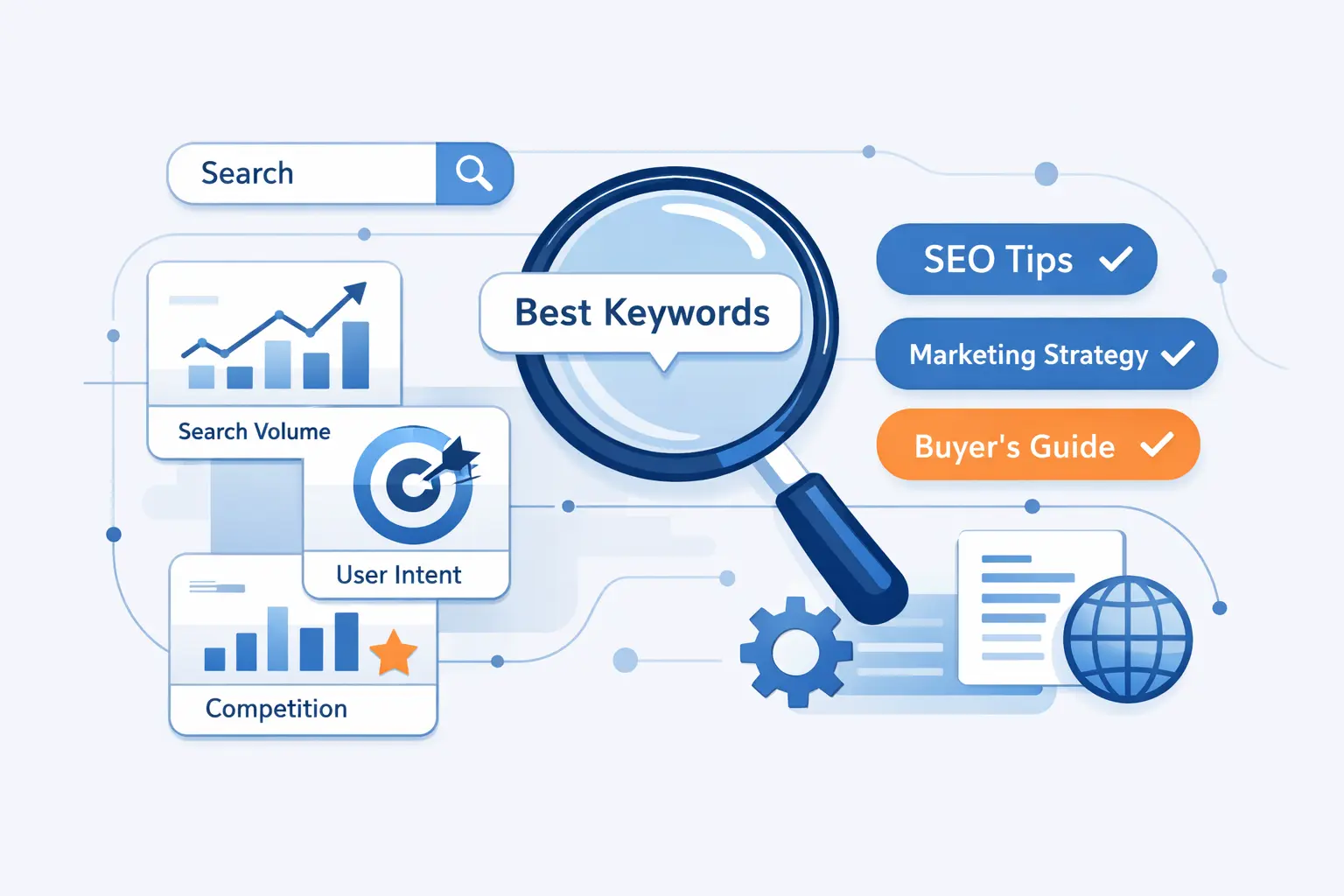
- Start With Your Audience, Business Goals, and Core Topics
- Find Keyword Ideas From the Right Sources
- Evaluate Keyword Metrics Before You Choose Keywords for SEO
- Match Keywords to Search Intent, SERP Features, and AI Results
- Prioritize Keywords You Can Realistically Rank For
- Group and Map Keywords to the Right Pages
- Target Chosen Keywords Naturally on the Page
- Common Mistakes When Choosing SEO Keywords
- Frequently Asked Questions
- How 1Byte Supports SEO-Focused Websites With Hosting and Cloud Services
- Final Takeaways on How to Choose Keywords for SEO
At 1Byte, we think learning how to choose keywords for SEO starts with a plain question. What does the searcher want, and what page should answer that need? A keyword is not just a phrase in a dashboard. It is a match between audience language, business value, and content format. When that match is weak, traffic looks busy and the pipeline stays quiet. When it is strong, every page has a clear job.
That discipline matters. The global SEO software market was estimated at $74.6 billion in 2024, which shows how much businesses spend to understand visibility. Our view is simpler. Tools help. The real wins still come from audience research, careful search results page reading, and choosing terms you can truly serve well.
Start With Your Audience, Business Goals, and Core Topics
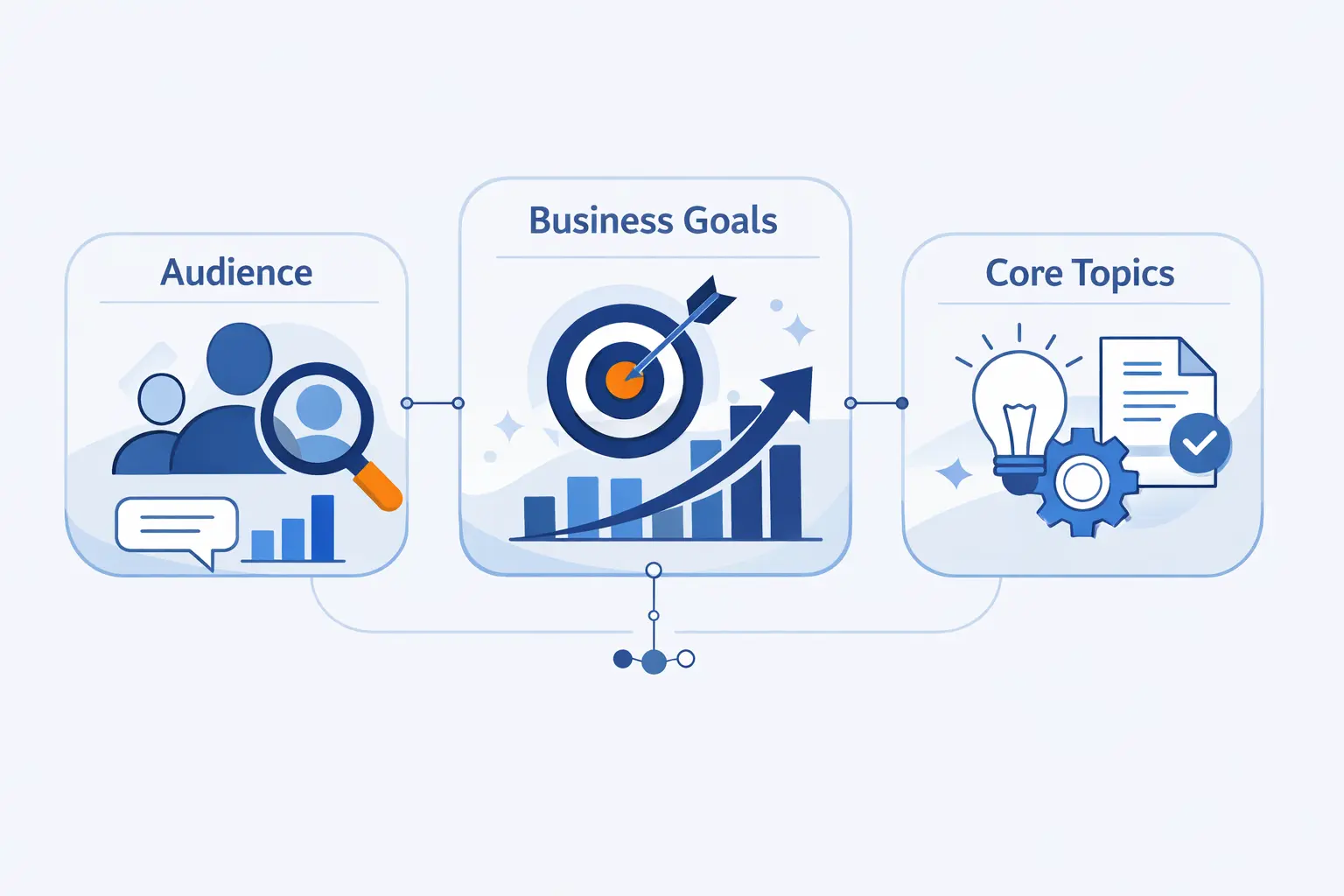
Before we open any tool, we define the business. This is where most keyword research either gets honest or gets messy. If the offer is vague, the keyword list will be vague too. We start with audience needs, revenue goals, and the topics the business has a real right to cover.
1. Clarify What Your Business Offers and What You Want to Rank For
We write down the products, services, locations, industries, and outcomes the business truly owns. Then we mark which pages matter most. A local service company, a software product, and an online store should not chase the same kinds of terms. We also separate vanity topics from revenue topics. If a keyword will never support a real page or a real offer, we let it go.
2. Use Customer Questions, Pain Points, and Buyer Language
Customer language beats internal jargon almost every time. We pull phrases from sales calls, support tickets, live chat, reviews, and onboarding questions. What are people confused about? What do they compare before they buy? Those phrases often produce better keywords than internal brand language because they reflect the problem in the searcher’s own words.
3. Turn Broad Topics Into Focused Topic Buckets and Seed Keywords
Once the big themes are clear, we turn them into topic buckets. Each bucket becomes a small family of related ideas. From there, we create seed keywords. These are the short starter phrases that describe the core topic, such as a service name, a product category, or a common problem. Seed terms are not the final target. They are the doorway.
Find Keyword Ideas From the Right Sources

Now we widen the pool. The goal here is not to collect the biggest list possible. The goal is to collect useful options from places that reflect real behavior. We want clues from search engines, from competitors, and from pages that already bring us visibility.
1. Expand Seed Keywords With Keyword Tools and Google Suggestions
We usually begin expansion with Keyword Planner because it can generate ideas from a term, a page, or both. Then we trim hard. We remove anything off-topic, too broad, or too far from the offer. Big lists can feel productive. Tight lists are what help us choose keywords for SEO with confidence.
2. Analyze Competitor Keywords, Content Gaps, and Top-Ranking Pages
Competitor research is where blind spots show up fast. Tools like Keyword Gap let us compare our site with rival domains and spot missing or weak terms. We do not copy whole lists. We inspect the pages already ranking, study the angle the results page seems to reward, and decide whether we can publish something clearer, deeper, or more directly useful.
3. Review Keywords You Already Rank For in Existing Content
Many sites already have keyword clues hiding in plain sight. The Search Console Performance report shows which queries and pages already earn visibility, along with clicks, impressions, click-through rate, and average position. We look for pages with solid impressions but weak clicks, or pages that sit close to stronger results. Those are often easier wins than creating a brand-new page.
4. Look for Questions and Prompts People Use in AI Search
We also look at live search phrasing. Google’s Autocomplete uses real searches, web patterns, and changing context such as time and location. That makes it useful for finding extra words, follow-up questions, and natural language prompts. When people search like they speak, or like they prompt an AI assistant, those patterns often appear here first.
Evaluate Keyword Metrics Before You Choose Keywords for SEO
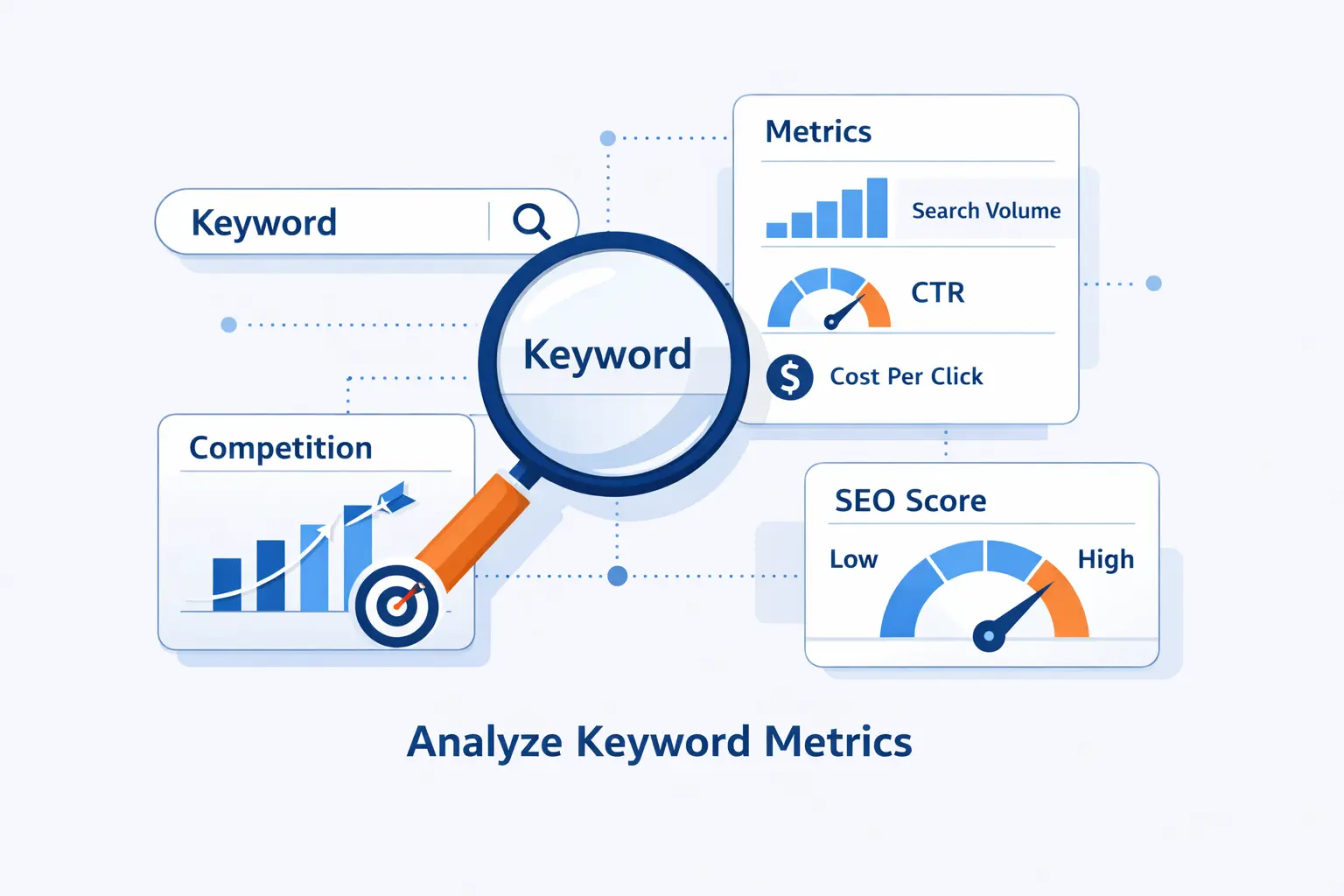
When we choose keywords for SEO, metrics should guide us, not hypnotize us. A dashboard can make weak opportunities look exciting. We use volume, clicks, and difficulty as filters. Then we return to the page, the intent, and the business goal.
1. Check Search Volume Without Chasing Volume Alone
Search volume helps us estimate demand, but bigger is not always better. A broad phrase may look attractive and still bring the wrong audience. A smaller term can drive better visitors because the intent is tighter. We would rather rank for a phrase that fits the offer cleanly than chase a giant term that pulls in people who will never convert.
2. Measure Traffic Potential, Click Potential, and Keyword Difficulty
We measure traffic potential by looking at the topic around the keyword, not just the exact phrase. We measure click potential by checking whether the search results page answers the question before anyone visits a site. Some pages do. We treat difficulty as a rough filter. Semrush defines KD on a 0 to 100 scale, but the actual results page still tells the truth better than any score.
3. Assess Relevance, Business Value, and Conversion Potential
Relevance is the gatekeeper. If the keyword is not close to the business, it should not win just because the volume looks pretty. We score keywords by business value and conversion potential. Can this term support a service page, product page, demo request, signup, or qualified lead? If the answer is no, traffic alone is not enough.
Match Keywords to Search Intent, SERP Features, and AI Results
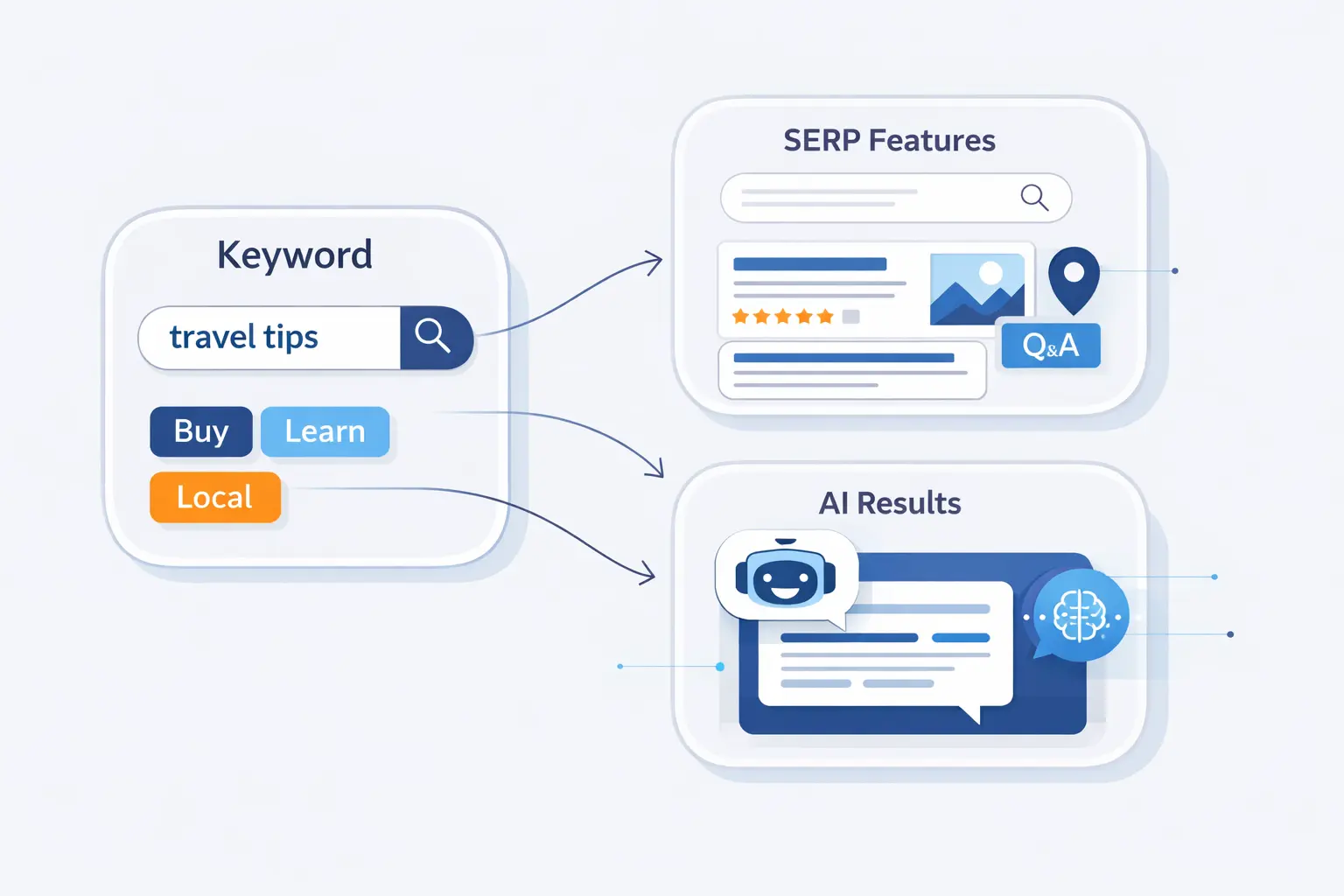
Intent is where keyword research gets practical. Search engines do not rank keywords in isolation. They rank page types that seem to fit the task. So we study the SERP, or search results page, and then match the format to that job.
1. Understand Informational, Navigational, Commercial, and Transactional Intent
Every keyword carries intent. Informational queries want an answer. Navigational queries want a specific site or brand. Commercial queries compare options. Transactional queries want action. A page like best credit cards is a classic commercial format because the searcher is weighing choices before making a move. We never pick a keyword without naming its intent first.
2. Study the SERP to See How Google Interprets the Query
Google tells us its interpretation through the results page. If the SERP is packed with product pages, a blog post will struggle. If the results are mostly guides, a hard sales page may feel out of step. We review titles, freshness, media format, and how similar the leading pages feel. When Google repeats a pattern, fighting it is usually a bad bet.
3. Check AI Overviews, Featured Snippets, Video Results, and People Also Ask
We always inspect AI elements before locking in a target term. Google says AI Overviews and AI Mode do not need special markup or separate optimization. That matches what we see. The same fundamentals still matter. Clear pages, trustworthy information, and direct answers remain the best starting point.
We also watch for featured snippets, video boxes, and People Also Ask because they change the shape of the click. If a query already triggers a short answer box, we front-load the definition. If video dominates, a written guide may need a walkthrough or demo. The SERP is not decoration. It is the brief.
4. Choose the Best Content Format for Each Keyword
Once intent is clear, the content format usually follows. A comparison term may need a buyer’s guide. A how-to query may need a tutorial. A product-led phrase may deserve a landing page. Pages like Zapier’s Slack and Google Sheets integration work because the format matches a specific problem the searcher wants solved.
Prioritize Keywords You Can Realistically Rank For
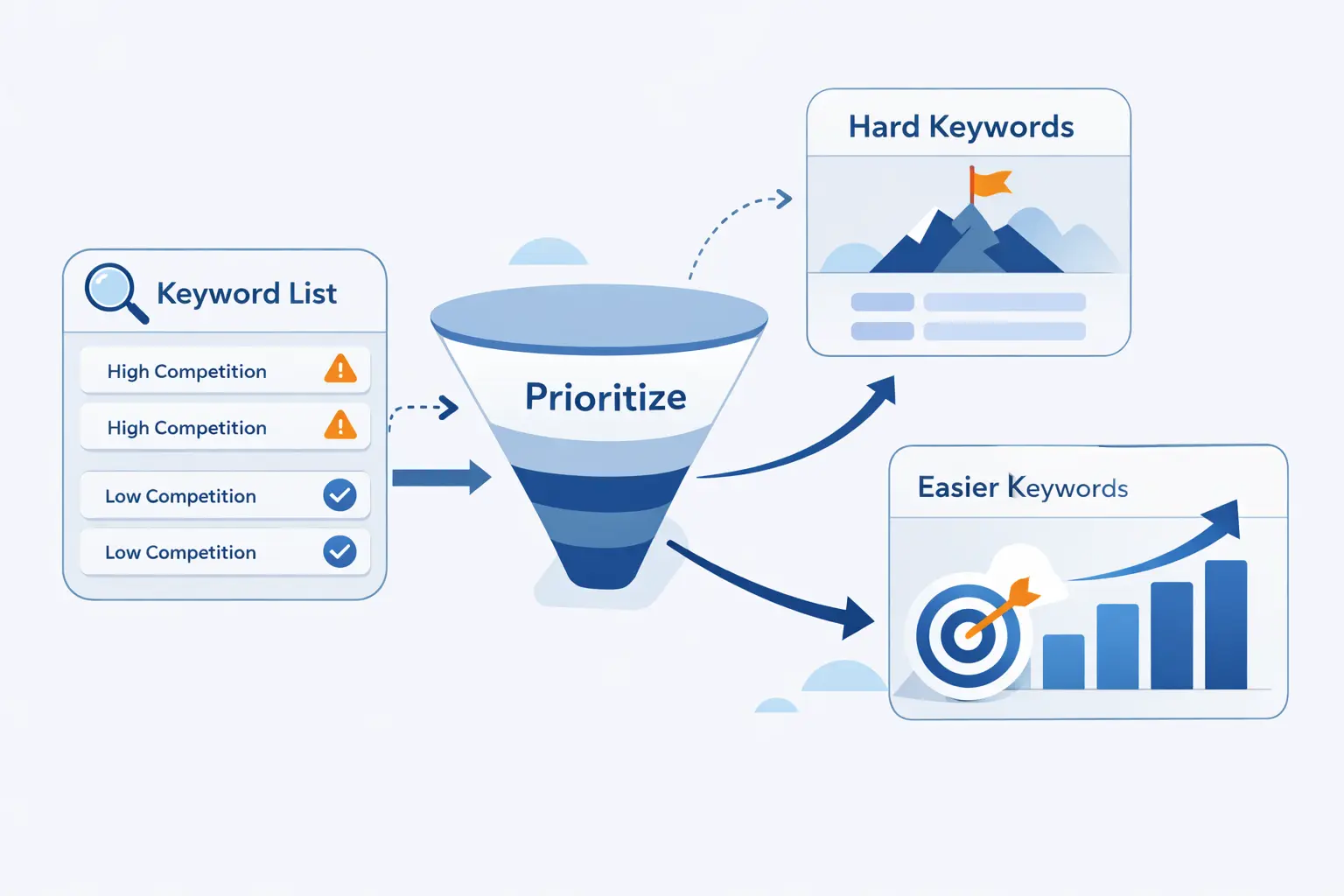
Ambition is good. Delusion is expensive. We would rather build momentum with terms we can realistically win than spend months chasing phrases dominated by giant brands. Keyword prioritization is where strategy becomes honest.
1. Compare Your Site Authority With the Current Top Results
We compare our site strength with the pages that already rank. If the SERP is filled with household brands, government sites, or deep specialists, we do not assume a new page will jump in quickly. We study content depth, brand strength, linking patterns, and whether the current winners are broad authorities or focused experts. That tells us how hard the hill really is.
2. Target Lower-Competition Opportunities and Niche Terms First
Lower-competition opportunities are often more specific and less glamorous. That is fine. Niche terms usually reveal clearer intent, and they help newer or smaller sites build early traction. We like phrases tied to use cases, industries, features, locations, or pain points. Those terms may bring less traffic at first, but they often bring better visitors.
3. Balance Head Terms and Long-Tail Keywords
A healthy keyword plan needs both head terms and long-tail keywords. Head terms are broader phrases with wider reach. Long-tail phrases are more specific. We treat them like different layers of the same strategy. Head terms build authority over time. Long-tail phrases bring earlier wins and sharper intent.
Group and Map Keywords to the Right Pages
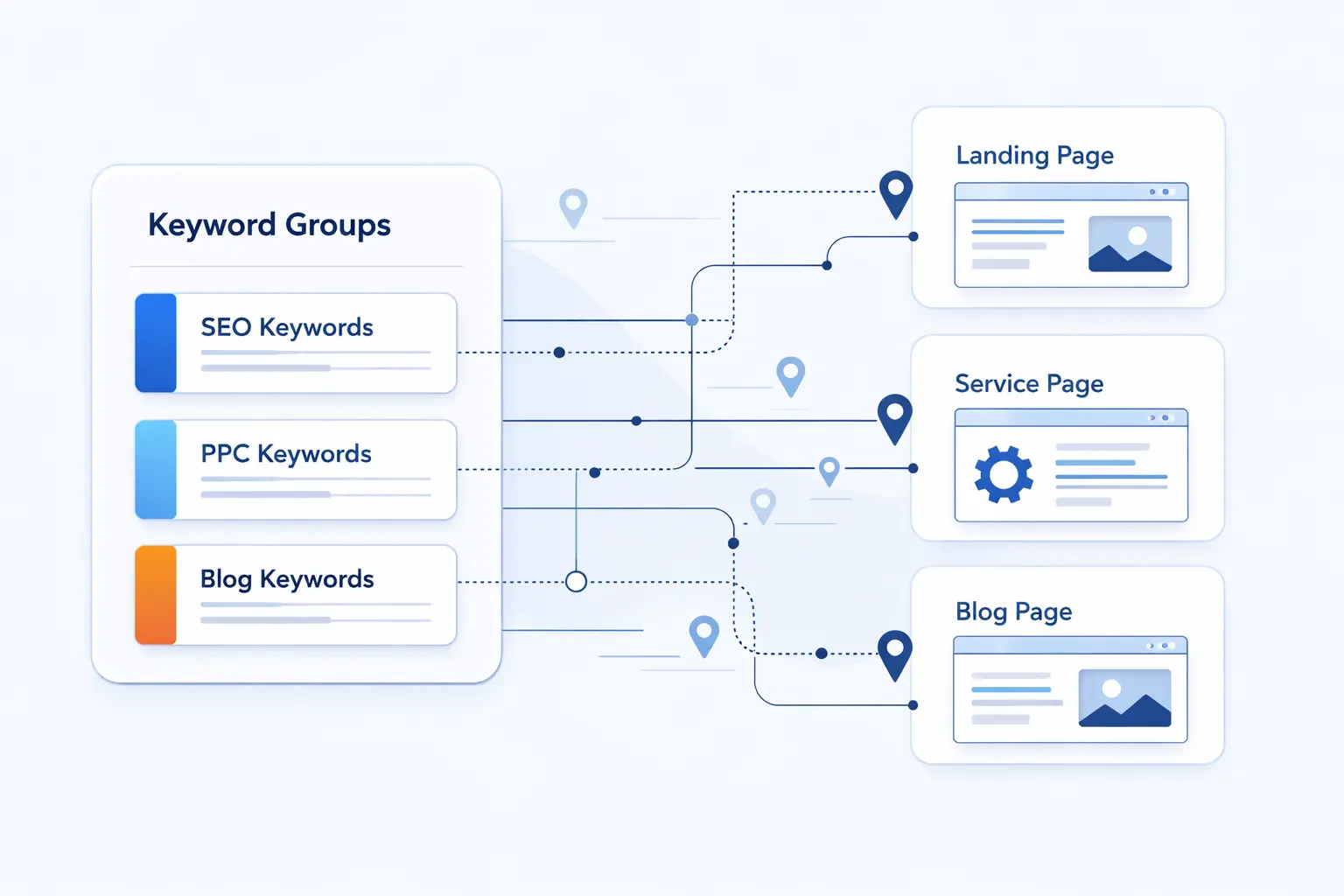
A keyword list becomes useful only when it turns into a page plan. This is where many teams lose the plot. They collect phrases, export a spreadsheet, and stop there. We group, map, and assign keywords so every page has a clear purpose and no two pages trip over each other.
1. Cluster Keywords by Topic and Shared Intent
We cluster keywords by topic and shared intent. If several phrases ask for the same answer, they belong together. If they ask for different outcomes, they need separate pages. Good clustering prevents wasted effort and keeps the site structure clean. It also helps writers focus on the full topic instead of obsessing over tiny wording differences.
2. Decide When One Page Can Target Multiple Keywords
A page can target multiple keywords when the searcher would expect the same page to solve all of them. That usually happens when the wording changes, but the intent does not. We look at result overlap to make that call. If Google keeps surfacing similar pages for several phrases, a strong single page often makes more sense than several thin ones.
3. Decide Whether to Update Existing Pages or Create New Ones
We update an existing page when it already has relevance, some visibility, and a clear connection to the target term. We create a new page when the intent is different, the offer is different, or the current page would become bloated and confusing. This step matters because unnecessary page creation can split authority and create internal competition.
4. Assign One Primary Keyword and Supporting Variations per Page
Each page gets a primary keyword and a small set of supporting variations. The primary term defines the page’s main job. The supporting terms help cover nearby phrasing, subtopics, and modifiers. This keeps optimization focused without making the writing stiff. It also helps us avoid the bad habit of trying to make a page rank for every idea under the sun.
5. Map Keywords to Conversion Pages, Supporting Content, and the Buyer Journey
We map keywords across the buyer journey. Informational terms usually fit blog posts, guides, and comparison pieces. Commercial and transactional terms fit service pages, product pages, pricing pages, and demo paths. Supporting content should lead naturally toward conversion pages. If the map is right, readers can move from question to confidence without getting lost.
Target Chosen Keywords Naturally on the Page
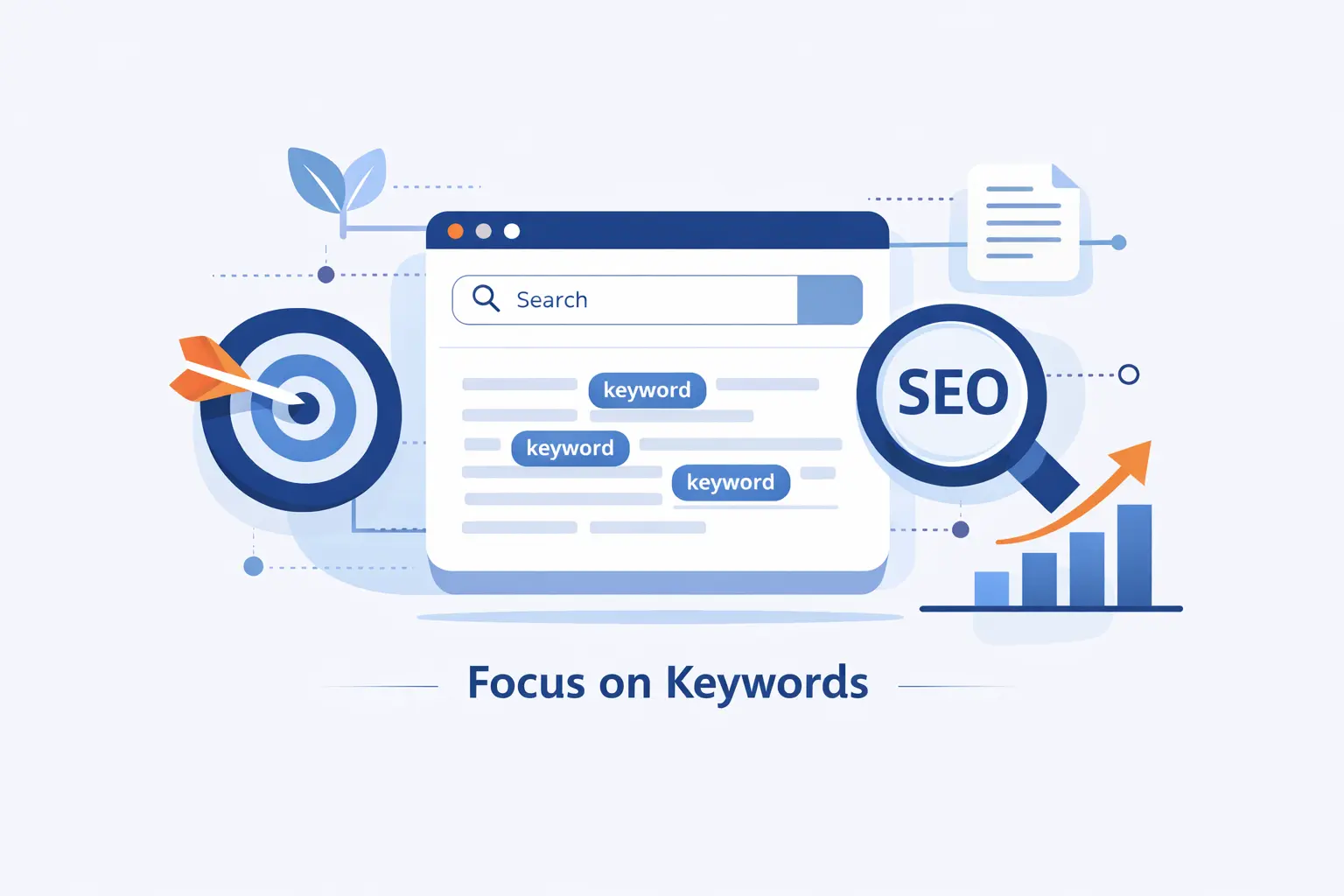
After the mapping work, on-page optimization becomes much easier. We are not forcing keywords into random places. We are signaling page purpose in the spots that matter most. The trick is to be clear without sounding mechanical.
1. Place Primary Keywords in the Title Tag, Meta Description, URL, and H1
When the keyword is chosen, we place it where searchers and search engines expect it. Google’s SEO Starter Guide still points beginners back to the basics, like helpful titles, clear link text, and accessible structure. We use the primary term in the title tag, URL, and H1 when it fits naturally. Then we write a meta description that gives a real reason to click.
2. Use Secondary Keywords in Subheadings, Body Copy, Alt Text, and Internal Links
We use secondary keywords in subheadings, body copy, image alt text, and internal links when they genuinely help clarify the topic. This is where natural variation matters. Searchers do not all use the same phrase, so good pages should reflect that range. Our rule is simple. If a variation improves clarity, include it. If it only pads density, leave it out.
3. Avoid Keyword Stuffing and Keep Optimization Natural
Keyword stuffing is still one of the easiest ways to make a page worse. Repeating the exact phrase over and over does not make the content smarter. It usually makes it harder to read. We write for human understanding first, then check that the structure clearly signals relevance. If the page sounds awkward, something is off.
Common Mistakes When Choosing SEO Keywords
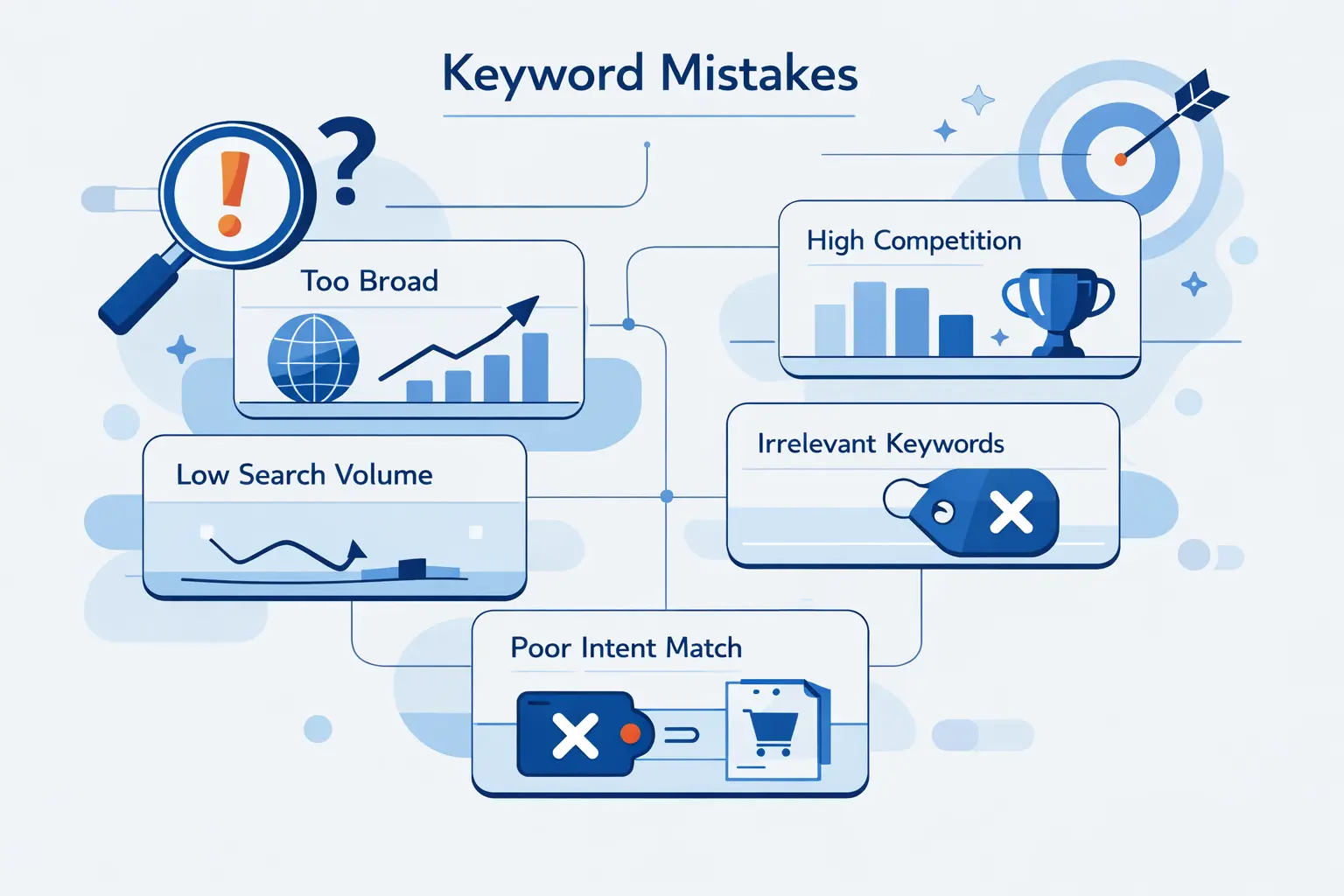
Bad keyword choices usually fail for boring reasons. The term is too broad. The intent is wrong. The page can never support the business goal. We see these mistakes often, and they are fixable once you know where to look.
1. Targeting Terms That Are Too Broad or Too Competitive
Broad, high-competition terms tempt almost everyone. They look impressive in a report, and they often fail in practice. If your site is still building trust, targeting a giant category term can drain time and budget. We prefer terms with clear context and a real path to usefulness. Early wins teach you more than ambitious misses.
2. Ignoring Search Intent, SERP Features, and Actual Click Potential
Some teams choose keywords from a spreadsheet without checking the actual results page. That is a costly shortcut. A query may show ads, maps, AI answers, snippets, images, or videos that reduce organic clicks. It may also favor a page type you are not planning to build. If you ignore the SERP, you are picking blind.
3. Choosing Keywords That Bring Traffic but No Business Value
Traffic without business value is a vanity metric in nicer clothes. A keyword can bring visits and still miss the mark if the searcher has no reason to buy, subscribe, or contact you. We keep asking a plain question. If this term succeeds, what business outcome should follow? If we cannot answer that, the keyword drops down the list.
Frequently Asked Questions
These are the short answers we give most often when people ask us how to choose keywords for SEO. The details always depend on the site, but the principles stay steady.
1. How Do I Choose the Right SEO Keywords?
We start with audience language, business goals, and page intent. Then we build a list from seed terms, real search suggestions, competitor gaps, and existing rankings. After that, we filter for relevance, realistic difficulty, and conversion value. The right keyword is the one your site can answer well and turn into a meaningful next step.
2. How Do I Target Keywords for SEO?
We target keywords by assigning each page a clear primary term, supporting variations, and a format that matches intent. Then we place those phrases naturally in the title, URL, H1, subheadings, body copy, and internal links. The page should feel focused, not stuffed. Good targeting is structure plus clarity.
3. How Many Keywords Should I Target per Page?
There is no perfect fixed number. In most cases, a page should have a clear primary keyword theme, supported by closely related variations. If a page tries to chase too many unrelated terms, it usually becomes thin or confusing. Tight focus works better than wide ambition.
4. What Is the Difference Between a Primary Keyword and a Secondary Keyword?
A primary keyword defines the main topic and intent of the page. Secondary keywords are close variants, modifiers, and supporting phrases that help cover the topic naturally. Think of the primary term as the page’s main job. The secondary terms help it do that job thoroughly.
5. How Do I Know if a Keyword Is Too Competitive?
A keyword is probably too competitive if the current results are dominated by strong brands, highly linked pages, or content far deeper than what you can realistically publish right now. We also get cautious when the intent is broad and the SERP looks settled. If you cannot see a clear angle to be useful, the term may be too hard for now.
6. Is SEO Dead or Evolving in 2026?
We do not think SEO is dead. We think it is getting broader and less forgiving. Gartner predicted traditional search engine volume would drop 25% by 2026, which is a reminder that rankings alone are no longer the whole game. In our view, SEO now includes classic search, AI results, branded visibility, and pages that convert when visitors arrive.
How 1Byte Supports SEO-Focused Websites With Hosting and Cloud Services
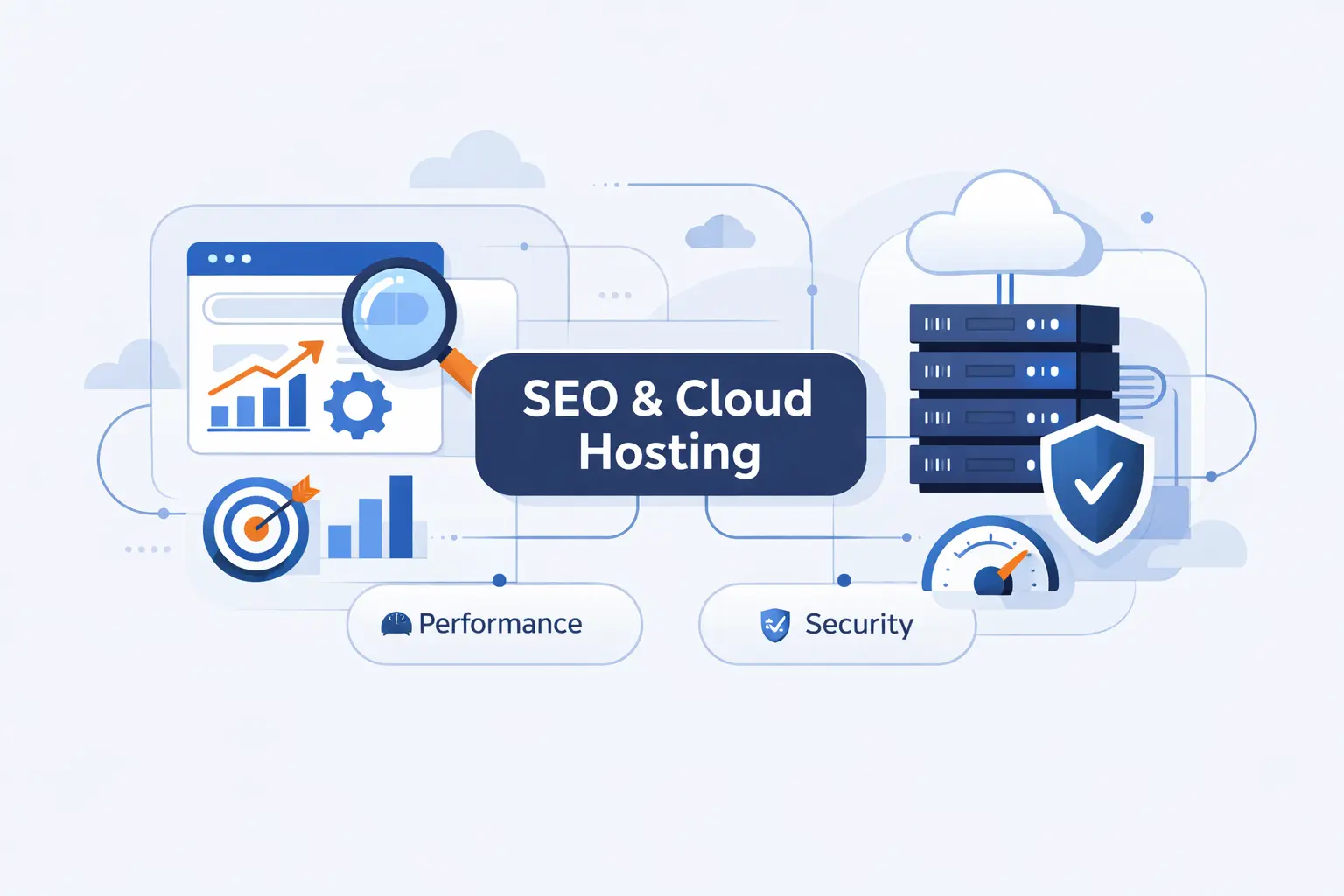
At 1Byte, we know keyword strategy works best when the site behind it is stable, secure, and easy to maintain. Hosting does not choose your keywords for you. It does decide whether the pages you publish are dependable, secure, and ready for growth.
1. Build a Strong Foundation With Domain Registration and SSL Certificates
We help teams start with the basics that search visibility depends on. Domain registration gives the project a clear home. SSL certificates add the secure HTTPS layer that visitors and browsers expect. That may sound simple, but trust starts with the basics. A clean domain and secure site remove friction before content even enters the picture.
2. Launch Content-Driven Sites With WordPress Hosting and Shared Hosting
For content-heavy websites, we support straightforward publishing paths. Our WordPress hosting helps teams manage blogs, resource hubs, and landing pages without turning every change into a development task. Our shared hosting is a practical fit for smaller sites that need reliability and room to publish steadily. Good SEO needs a site people can actually keep updated.
3. Scale Growth With Cloud Hosting, Cloud Servers, and AWS Partner Support
When growth picks up, infrastructure needs change. That is where our cloud hosting, cloud servers, and AWS partner support come in. We help businesses move from simple publishing to stronger capacity and more control when traffic, workloads, or application needs increase. We do not promise rankings, because no honest provider should. We do provide the foundation that lets good SEO work.






Final Takeaways on How to Choose Keywords for SEO
If we had to compress the whole process, it would look like this. Start with what the business truly offers. Listen to customer language. Expand the list from reliable sources. Then cut ruthlessly. A smaller list of high-fit terms beats a giant list of maybes every time.
After that, match each keyword to intent, the live SERP, and the page that should carry it. Favor relevance over raw volume. Favor realistic wins over ego targets. Favor business value over empty traffic. That is how we choose keywords for SEO in a way that stays practical.
At 1Byte, we believe strong SEO comes from clear strategy and dependable infrastructure working together. Choose the right terms. Publish pages that deserve the click. Keep the site secure, stable, and easy to grow. Do those things well, and keyword research stops being a guessing game.