

- Custom Domain Meaning: The Plain-English Definition
- Why a Custom Domain Matters for Brands, SEO, and Trust
- Examples of Custom Domains (And How People Use Them)
- How Custom Domains Work Behind the Scenes (Without the Confusion)
- How to Buy a Custom Domain Step by Step
- How to Connect Your Custom Domain to a Website or Store
- Common Mistakes to Avoid (And Simple Fixes)
- Security and Maintenance Best Practices for Custom Domains
- FAQ: Quick Answers About Custom Domains
- Conclusion
If you’re asking what is a custom domain, here’s the simplest answer: it’s a web address you register and control, then connect to your website, store, landing page, or email service. Because you own the registration, you decide where the domain points today and where it points in the future.
That ownership matters because names get taken quickly and the domain space is crowded. A recent industry update reported 378.5 million domain name registrations across top-level domains, which is why it helps to choose a name you can live with long-term.
Quick Answer: A custom domain is a brand-owned address (like yourbrand.com) that you control through registration. It replaces a borrowed platform address (like yourbrand.platform.com), so you can change tools later without changing your public-facing URL.
- Best for: long-term branding, portability, and professional email
- Not required: you can buy the domain first and add hosting later
- Next step: connect DNS to the platform where your site or email lives
Custom Domain Meaning: The Plain-English Definition
1. What “Custom Domain” Actually Means
A custom domain is a domain name you register and control through a domain registrar, then connect to your website, landing page, online store, or email service. Because you own the registration, you decide what the domain does.
That ownership matters because the domain system is huge and active. A recent Verisign industry update reported 378.5 million domain name registrations across top-level domains, which shows how competitive and crowded naming can get.
2. Custom Domain vs Subdomain (A Platform Address You Borrow)
A subdomain is a site address that lives under someone else’s main domain (for example: yourname.platform.com). It can work for testing or early publishing, but you’re building on a brand you don’t control.
A custom domain is the root address you own (for example: yourname.com). You can still use a website builder or ecommerce platform, your domain simply points to it. The key difference is portability: you can switch platforms later and keep the same public URL.
| Feature | Custom Domain | Subdomain |
|---|---|---|
| Ownership | You control the name and where it points | The platform controls the root domain |
| Portability | You can migrate tools without changing your public URL | Changing platforms often means changing your URL |
| Brand trust | Looks intentional and consistent across channels | Can feel temporary or “hosted on someone else’s space” |
| Best use case | Businesses, professionals, creators, long-term projects | Experiments, early drafts, internal prototypes |
3. Domain Name vs URL vs Hosting (Quick Clarity)
People often mix up domain, URL, and hosting because they show up together when you launch a site. However, they’re different layers—and understanding that makes setup much easier.
| Term | What it means | What it does |
|---|---|---|
| Domain name | Your human-friendly address | Gives people a name to type and remember |
| URL | The full link to a specific page | Points to an exact location (page, path, parameters) |
| Hosting | Where your site/app files live | Serves the content when someone visits your URL |
Your domain is the name people remember, hosting is where your site lives, and DNS is the bridge that connects the two.
Why a Custom Domain Matters for Brands, SEO, and Trust
1. Branding Gets Easier When the Address Matches the Name
A clean domain makes your brand easier to remember and easier to share. Instead of telling people to find you on a long platform link, you can give one simple address that matches your business name.
- Support and customer replies
- Business cards and invoices
- Social profiles and bio links
- Sales outreach and proposals
2. You Avoid “Platform Lock-In” When You Own the URL
Tools change. Pricing changes. Features move. When your identity is a platform subdomain, a platform change can force a URL change.
When you own your domain, your public address stays the same even if you swap the tool behind the scenes—website builder, ecommerce platform, landing page system, or hosting provider.
3. Email on Your Domain Signals Professionalism
Branded email looks intentional and consistent across billing, support, partnerships, and newsletters. It also makes it easier to set up the authentication records most email providers recommend, which helps protect your brand from spoofing and improves deliverability over time.
If you’re starting small, set up one public-facing address (like hello@yourdomain) and one internal support address (like support@yourdomain), then expand as your team grows.
4. Search and Sharing Usually Work Better with a Stable Domain
A stable domain helps you build consistency over time: the same brand name, the same URL structure, and the same place for backlinks and mentions to point. It won’t replace good content or good site setup, but it prevents avoidable URL churn that happens when people rely on platform subdomains.
Examples of Custom Domains (And How People Use Them)
1. Freelancer Portfolio Example
A designer might use firstnamelastname.com and connect it to a portfolio builder. They can create pages like /work, /about, and /contact, then update the portfolio whenever they want without changing the address they share on resumes.
If they later move from a portfolio builder to a custom-coded site, they keep the same domain and simply repoint DNS.
Portable upgrade path: start with a simple site, then add a blog, case studies, and a contact form without changing the domain you’ve already shared on resumes and profiles.
2. Small Local Business Example
A local business can use a custom domain for a basic website (hours, location, menu/services) and a branded email address for quotes and customer requests. When customers search your business name or hear about you offline, a simple domain is easier to remember and type.
3. Ecommerce Store Example (Root Domain Plus Subdomains)
An ecommerce brand might use the main domain for the storefront and subdomains for specific functions, like help for documentation or status for uptime communication. This keeps everything under one brand umbrella while letting each subdomain point to the platform that best fits that job.
4. Startup Landing Pages and Campaign URLs
Startups often use a primary domain for the main site and supporting domains for campaigns, events, or product launches. A short supporting domain can redirect to a dedicated page on the main site, keeping links clean and easier to share across ads, podcasts, and partner promos.
Operational bonus: when a campaign ends, you can redirect that domain to a new offer instead of losing the attention it earned.
How Custom Domains Work Behind the Scenes (Without the Confusion)
1. Registries and Registrars Play Different Roles
Think of the domain world as two layers. The registry runs the database behind a top-level domain (like .com). The registrar is the storefront where you search, buy, and manage your domain settings.
If you want a deeper detail on pricing mechanics, you can mention that the .com registry agreement sets a maximum wholesale price of US $10.26, and registrars add their own margin and bundled services on top of that.
2. DNS Connects the Name to the Thing People Actually Use
DNS is what connects your custom domain to your website or email provider. When someone types your domain, DNS tells their browser where to go.
In real life, this usually means you’ll copy a few DNS values from your hosting platform and paste them into your DNS manager (which might be your registrar or a dedicated DNS provider). Once the records are correct, your domain begins resolving to your site.
3. Common DNS Records You Will See
You don’t need to memorize DNS, but it helps to recognize the common records and why they show up during setup:
- A record: used when a domain points directly to a server address for a website.
- CNAME record: used when one name points to another name (often used for the “www” version).
- MX record: used to route email to your mail provider.
- TXT record: used to verify domain ownership and support email authentication.
If you understand these four, most domain tutorials become much less intimidating.
4. SSL Makes Your Custom Domain Load Securely
After your domain points correctly, SSL is what allows your site to load securely. Many modern platforms issue SSL automatically once your domain is connected, and your browser will show the secure version of the address.
If a secure version doesn’t appear, the most common fix is to confirm DNS is correct and then re-run the platform’s domain connection or verification steps.
How to Buy a Custom Domain Step by Step
1. Pick a Name That You Can Say Out Loud
Say the domain out loud and imagine someone typing it after hearing it once. If it’s easy to say, easy to spell, and easy to remember, you’re on the right track.
- Make sure it looks clean as an email address
- Avoid confusing spellings that require explanation
- Avoid names that sound like other common words or brands
2. Choose a Top-Level Domain That Fits the Goal
Choose a domain ending that matches your audience and intent. A familiar ending can feel more intuitive for broad audiences, while industry or location-based endings can make sense when they fit your brand and how customers search.
If you want to keep one supporting proof point, you can keep the line that a Verisign release reported the .com domain base at 157.9 million at a recent measurement point, which helps explain why people often default to it.
3. Check for Conflicts Before You Pay
Before you buy, do a quick conflict check so you don’t build a brand you can’t safely use.
- Search the exact name and close variations
- Check social handles for consistency
- If this is a serious business brand, check for trademark conflicts in your target market
This step is boring, but it prevents expensive rebrands later.
4. Buy from a Reputable Registrar (Then Secure the Account)
Checkout is usually fast, but don’t rush through account settings. Your registrar login effectively controls your online identity, so lock it down immediately.
After Purchase Checklist
- Write down where DNS is managed so you can find it later
- Use a strong, unique password and enable multi-factor authentication
- Confirm your recovery email is current and secure
- Turn on domain lock (unless you’re transferring soon)
5. Understand the Fees You Do Not See on the Sales Page
Many registrars discount the first year and raise the renewal later, so always check the renewal price before you commit. Also review what’s included versus what becomes an add-on.
Some fees are built into the background. For example, ICANN’s registrar fee schedule includes $0.20 per transaction, and many registrars bundle that into what you pay.
6. Turn On Auto-Renew and Set a Calendar Reminder Anyway
Auto-renew reduces accidental expiration, but it’s not a guarantee—payment methods expire and important emails get missed. Use auto-renew and keep a separate reminder so you catch problems early.
Also make sure your contact details stay current so you receive renewal alerts and security notices.
How to Connect Your Custom Domain to a Website or Store
1. Decide Who Will Host DNS (Registrar or Dedicated DNS Provider)
You can keep DNS at your registrar or use a dedicated DNS provider. Both approaches work, so choose the setup you can manage confidently and locate quickly later.
If you’re a beginner, keeping DNS in one place (registrar or platform) usually reduces confusion and mistakes.
2. Connect the Root Domain and the “www” Version
Many people connect only one version of their domain and forget the other, which can lead to a broken experience for visitors.
- Choose one as the primary and redirect the other for consistency
- Connect the root domain (yourdomain.com)
- Connect the “www” version (www.yourdomain.com)
3. Verify Domain Ownership When a Platform Requests It
Some platforms ask you to add a verification record to prove you own the domain. This is normal as it prevents someone else from connecting your domain inside their account.
Once verified, the platform will provide the final DNS records to publish so your site can go live on the custom domain.
4. Add Branded Email After the Website Works
It’s tempting to set up email first, but you’ll usually save time by connecting the website before adding email records. Website setup often involves fewer moving parts, and once it’s stable you can add email records carefully without second-guessing what changed.
When you add email records, copy values exactly as provided and avoid “close enough” edits, as email setup is less forgiving than website setup.
Common Mistakes to Avoid (And Simple Fixes)
1. Buying the Domain but Never Using It
Some people buy a domain and then keep sharing a platform link out of habit. The fix is simple: make the custom domain your default everywhere.
- Update social profiles and bio links
- Use the domain on invoices, proposals, and email signatures
- If you have an old link, redirect it to the new domain
2. Forgetting Renewals and Losing the Name
When a domain expires, it can be picked up by someone else, which can damage your brand and confuse customers who still trust the address.
Use auto-renew, keep payment details current, and document who owns the domain account, especially if more than one person touches marketing or IT.
3. Pointing DNS to the Wrong Place
DNS errors usually happen when the record type is wrong or the destination value is copied incorrectly.
Use one authoritative setup guide for your exact platform, and avoid mixing multiple tutorials that assume different tools and DNS managers.
4. Skipping Redirects During a Rebrand or Migration
If you ever change domains, you need redirects from old pages to new pages so visitors don’t hit dead ends and search engines don’t lose context.
- Update your internal links and public profiles after the move
- List your most important pages and map where they should go
- Keep the old domain under your control so redirects can stay active
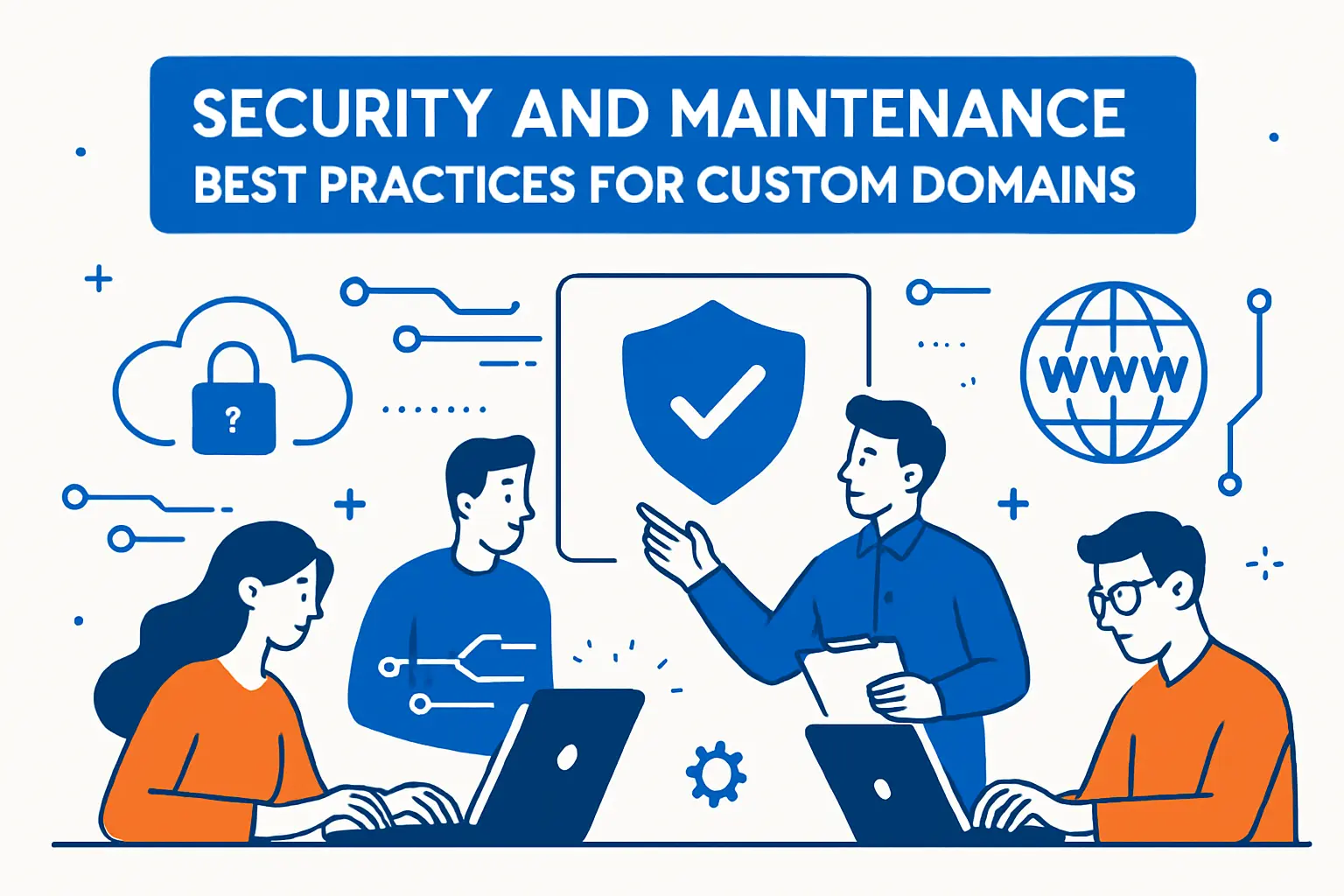
Security and Maintenance Best Practices for Custom Domains
1. Lock Down Your Registrar Account
Your registrar login controls where your domain points, which makes it one of your most important accounts online.
- Use a strong, unique password
- Enable multi-factor authentication
- Secure your recovery email and recovery options
- Store access in a password manager if you work with a team
2. Use Domain Lock and Monitor Changes
Most registrars offer a domain lock feature that helps prevent unauthorized transfers. Keep it enabled unless you’re actively transferring the domain.
Also watch for unexpected DNS edits. A small record change can break your website or email quickly, so treat DNS changes like code changes: intentional, documented, and reviewed.
3. Protect Email Reputation with Proper Records
Follow your email provider’s recommended authentication setup. These records help mailbox providers recognize legitimate email from your domain and reduce the risk of spoofing.
Then keep sending practices clean: consistent “from” addresses, clear opt-ins, and a predictable sending pattern if you do marketing email.
4. Treat Your Domain as Long-Term Infrastructure
Domains often feel small and inexpensive, but they become long-term infrastructure: the address customers remember, the link others share, and the identity your email depends on.
- Document who owns the registrar account
- Document where DNS is managed and what each record is for
- Document renewal settings and who receives renewal alerts
This saves time when you hire help, switch vendors, or troubleshoot an outage.
FAQ: Quick Answers About Custom Domains
1. What Is a Custom Domain for a Beginner?
A custom domain is a web address you register and control, which you can connect to your site and email. It replaces a generic platform address with a brand-owned one.
2. Do I Need Hosting to Buy a Custom Domain?
No. You can buy the domain first and decide on hosting later. In fact, buying early can help you secure the name while you plan the site.
3. Can I Use a Custom Domain Only for Email?
Yes. Many people point the domain’s website to a simple landing page while using the domain primarily for branded email.
4. Is a Custom Domain Better for SEO?
A custom domain helps mainly because it gives you stability and consistency. It will not replace good content or good technical setup, but it prevents URL problems caused by relying on a platform subdomain.
5. If I Keep Asking “What Is a Custom Domain,” What Should I Remember?
Remember one idea: you are not renting space on someone else’s address. You are owning the address itself, then choosing where it points.
Optional Extra FAQ Items
- Can I change hosting later? Yes—your domain can point to a new platform without changing the public address, as long as you update DNS correctly.
- What should I do right after buying a domain? Secure the registrar account, confirm renewal settings, and document where DNS is managed.
- Why do people confuse domain and hosting? Because you often buy them together, but the domain is the address and hosting is where the website lives.





Conclusion
A custom domain gives you control, portability, and a more credible brand presence. You can start small with a simple site and a professional email address, then grow into subdomains, redirects, and a full web strategy. Buy a name you can live with long-term, secure the registrar account, and connect DNS carefully. After that, your domain becomes a stable foundation you can build on for years.