


- How to choose the best tech blogs: depth, clarity, and real-world value
- Quick Comparison of best tech blogs
- Top 30 best tech blogs to bookmark in 2026
- Best tech blogs for real-world engineering depth and systems thinking
- Best tech blogs for startup news, product launches, and tech culture
- Best tech blogs for web development, front-end, and developer workflow
- How to keep up with the best tech blogs without information overload
- 1Byte: Cloud hosting and infrastructure support for launching a tech blog
At 1Byte, we treat reading as infrastructure. Good blogs become our shared memory across incidents, migrations, and product launches. Strong writing also saves real money. A clear post can prevent a week of wrong turns.
Market overview: Gartner forecasts worldwide public cloud end-user spending to total $723.4 billion in 2025, which keeps engineering teams in continuous change. McKinsey estimates $3 trillion of EBITDA value by 2030 is available when adoption becomes reinvention. Deloitte notes an industry study finding 93% of organizations using cloud infrastructure employ multicloud, so our reading must stay wide.
Plenty of teams copy patterns from engineering blogs. We have watched those patterns lower risk during major cutovers. The right blog post can become a runbook, not just an opinion.
Below, we share the tech blogs we follow for depth, news, and day-to-day craft. Our bias is practical. If it cannot survive production, it does not belong in our feed.
How to choose the best tech blogs: depth, clarity, and real-world value

1. Look for clear explanations of complex technical concepts
Clear writing is a force multiplier. It reduces tribal knowledge and lowers onboarding friction. We favor posts that define terms and then build upward. Strong authors explain “why” before “how.” Diagrams help, but words do the heavy lifting. When clarity is missing, the code examples become cargo cult.
2. Prefer posts with real implementation details, trade-offs, and failures
Implementation beats inspiration. We look for posts that show constraints, not just outcomes. Trade-offs signal maturity, because real systems have sharp edges. Failure stories matter even more than success stories. Postmortems teach operational reasoning under pressure. Those lessons translate across stacks and industries.
3. Prioritize well-structured, readable writing over hype
Structure is kindness. Headings, scoped sections, and honest summaries reduce cognitive load. We avoid “thought leadership” that never touches concrete decisions. Hype often hides missing evidence. Good blogs show their work, even when the work is messy. Readability is a technical skill, not a marketing garnish.
4. Choose best tech blogs that connect engineering decisions to business or product outcomes
Engineering is not a side quest. The best posts connect design choices to revenue risk, customer trust, and time-to-market. We pay attention when an author ties latency to conversion. We also value explanations of reliability as a brand promise. When business context is present, technical choices become legible to stakeholders. That helps teams ship without constant re-arguing.
5. Mix tech company engineering blogs with independent practitioner blogs
Company blogs reveal scale and process. Independent blogs reveal judgment and taste. Together, they keep us honest. Corporate posts sometimes skip the uncomfortable parts. Solo writers often say what teams cannot publish. The mix also prevents monoculture. Diverse voices help us spot hidden assumptions.
6. Aim for consistently updated best tech blogs as trends shift quickly
Stale posts can mislead. Tooling, defaults, and threat models change fast. We look for signs of ongoing maintenance. That includes refreshed guidance and corrected mistakes. Consistency also signals editorial discipline. A quiet blog is not bad, but it demands extra skepticism.
7. Balance broad publications with niche best tech blogs for your role and interests
Broad outlets help us track the landscape. Niche blogs teach us how to operate within it. A backend engineer needs systems writing. A product engineer benefits from UX-performance craft. Security teams need both threat news and deep technical analysis. The right balance changes as roles change. Our reading list evolves with our customer needs.
8. Reduce junk by leaning on community recommendations and curated lists
Discovery is the hard part. We use community signals, but we do not worship them. A popular link can still be shallow. Curated lists help, but they also age. We prefer curators with consistent criteria and clear scope. In practice, we build a small “trusted shelf” and prune ruthlessly. That keeps the feed useful.
Quick Comparison of best tech blogs

When we need a fast starting point, we pick a small set that covers systems, product engineering, and industry scanning. The table below reflects our “default” mix at 1Byte. It is not exhaustive, and that is the point. A reading system should feel light, not heavy.
| Tool | Best for | From price | Trial/Free | Key limits |
|---|---|---|---|---|
| Netflix TechBlog | Data and streaming systems lessons | Free | Free | Some posts assume deep context |
| Cloudflare Blog | Internet infrastructure and incident write-ups | Free | Free | Edge details can be specialized |
| AWS Builders’ Library | Operational principles and architecture thinking | Free | Free | Not a steady news feed |
| ACM Queue | Edited long-form systems and software essays | Free | Free | Cadence can be slow |
| Martin Fowler | Architecture patterns and refactoring judgment | Free | Free | Assumes familiarity with design concepts |
| Julia Evans | Debugging intuition and explainers | Free | Free | Not focused on breaking news |
| TechCrunch | Startup moves and product launches | Free | Free | Engineering depth varies |
| Hacker News | Community-ranked links with sharp discussion | Free | Free | Signal requires filtering |
| web.dev | Modern web performance and platform guidance | Free | Free | Front-end focused scope |
| Stack Overflow Blog | Developer work trends and practical guidance | Free | Free | Depth depends on the series |
Top 30 best tech blogs to bookmark in 2026

Bookmarks are cheap. Attention is not. So we rank these tech blogs like working tools: by the job they do for you, fast.
Each pick gets a weighted score on a 0–5 scale. Value-for-money and feature depth each carry 20%. Ease of setup and integrations each carry 15%. UX, security, and support carry 10% each.
In practice, “value” means how much you can read without friction. “Depth” means fewer rewrites of your mental model. “Ease” means how quickly you can subscribe and build a reading habit.
We also look for clear editorial intent, predictable cadence, and pages that do not fight you. A great blog should turn confusion into a next step. A merely busy one just hands you more tabs.
Scores reflect outcomes for typical readers in 2026: builders, operators, and tech-adjacent leaders. Use this list to build a small, high-signal feed. Then let everything else earn its way back in.
1. WIRED

WIRED is a long-running tech publication with a newsroom feel and magazine pacing. Coverage spans consumer tech, policy, science, and the culture that shapes products. Editors tend to chase second-order effects, not just specs.
Aim here when you want context that travels with you.
Best for: tech leaders who brief executives, and curious generalists who hate shallow takes.
- Explainer-led reporting → you leave with a usable narrative for stakeholders.
- Newsletters and RSS-friendly sections → you skip extra search steps in your weekly scan.
- Readable layouts on mobile → time-to-first-value is about 5 minutes after subscribing.
Pricing & limits: From $0/mo for limited reading; a subscription may be required for full access. Trial: not applicable in most cases. Limits: free access can be capped by article counts and paywall rules.
Honest drawbacks: Paywalls can interrupt a research sprint. Some pieces prioritize story over implementation details.
Verdict: If you need crisp tech context, this helps you brief smarter in a single read. Beats fast news sites at synthesis; trails deep engineering blogs on technical specifics.
Score: 4.2/5
2. TechCrunch

TechCrunch runs like a startup newsroom focused on companies, funding, and product moves. The team tracks launches, layoffs, acquisitions, and platform shifts with relentless cadence. Expect a business-first angle, even when the story starts technical.
Use it to stay fluent in what the market is rewarding.
Best for: founders watching competitors, and product marketers tracking category momentum.
- Rapid deal and launch coverage → you spot shifts before they hit your customers.
- Simple newsletter workflows → you save 15–30 minutes of daily tab-hopping.
- Skimmable article structure → time-to-first-value is about 10 minutes per day.
Pricing & limits: From $0/mo. Trial: not applicable. Limits: ads and occasional access prompts can add friction, depending on region and device.
Honest drawbacks: Depth varies by beat and writer. Some stories feel like “what happened” without “what to do next.”
Verdict: If you track startups for strategy, this helps you update your map in one sitting. Beats slower magazines at timeliness; trails WIRED on cultural and policy texture.
Score: 4.1/5
3. The Verge
The Verge blends consumer tech reporting with design, internet culture, and product criticism. Its team tends to treat gadgets as social objects, not just hardware. Reviews and features often land like essays, not spec sheets.
Come for product sense, not just product news.
Best for: product people who need taste, and tech fans comparing devices with context.
- Strong review framing → you make purchase and platform bets with fewer regrets.
- Podcast-plus-article ecosystem → you save a full read by listening on commutes.
- Consistent navigation and sections → time-to-first-value is under 10 minutes.
Pricing & limits: From $0/mo. Trial: not applicable. Limits: advertising and embedded media can slow pages on older devices.
Honest drawbacks: Harder tech details can be lighter than specialist outlets. Opinionated tone can clash with readers wanting neutrality.
Verdict: If you need sharp product judgment, this helps you decide faster this week. Beats CNET at editorial voice; trails Engadget on hands-on breadth.
Score: 4.2/5
4. VentureBeat
VentureBeat aims at decision-makers sitting between technology and revenue. The team frequently covers enterprise software, AI, security, and the economics around them. Articles often read like “what this means for buyers,” which is rare and useful.
Think of it as a translator between builders and budgets.
Best for: IT and data leaders, and B2B operators who need market clarity.
- Enterprise framing → you turn news into procurement and roadmap questions.
- Event and newsletter funnels → you reduce research steps during vendor evaluations.
- Clean, readable formatting → time-to-first-value is about 15 minutes per week.
Pricing & limits: From $0/mo. Trial: not applicable. Limits: some content is optimized for business context over technical depth.
Honest drawbacks: Consumer tech coverage is not the focus. AI stories can feel crowded when the news cycle spikes.
Verdict: If you buy or run enterprise tech, this helps you decide what to ignore quickly. Beats TechCrunch at enterprise relevance; trails The Pragmatic Engineer on operator-grade detail.
Score: 4.0/5
5. Slashdot
Slashdot is an old-school tech community site built around links and commentary. The “team” feel is more moderator-plus-community than polished newsroom. Value comes from the collective filters, not pristine prose.
It’s a daily temperature check for what engineers are arguing about.
Best for: developers who like debate, and readers who want many viewpoints fast.
- Link-driven curation → you discover niche stories that skip mainstream feeds.
- Community discussion threads → you save time by sampling multiple takes in one place.
- No complicated setup → time-to-first-value is about 2 minutes with an RSS reader.
Pricing & limits: From $0/mo. Trial: not applicable. Limits: comments can be noisy, and signal depends on the thread.
Honest drawbacks: UX feels dated for some readers. Hot takes can crowd out careful analysis.
Verdict: If you want a wide net, this helps you catch odd stories in a single scroll. Beats glossy outlets at breadth; trails WIRED on editing and narrative quality.
Score: 3.8/5
6. Engadget

Engadget is a consumer tech publication with a long history of hands-on coverage. The team leans practical: what’s new, what works, and what’s worth buying. Reviews, deals, and explainers are the main lanes.
Use it to turn gadget noise into a shortlist.
Best for: busy buyers, and tech enthusiasts who want approachable reviews.
- Hands-on review cadence → you decide purchases with fewer comparison spreadsheets.
- Deal and guide roundups → you save 30–60 minutes during upgrade season.
- Familiar site structure → time-to-first-value is about 10 minutes per week.
Pricing & limits: From $0/mo. Trial: not applicable. Limits: ads and embeds can slow loading, especially on mobile data.
Honest drawbacks: Enterprise and developer topics are lighter. Some launches get quick hits before deeper follow-ups appear.
Verdict: If you buy hardware for yourself or a small team, this helps you choose confidently this month. Beats many general news sites at hands-on detail; trails The Verge on cultural critique.
Score: 4.0/5
7. Gizmodo

Gizmodo mixes tech news with science, weird internet artifacts, and sharp commentary. The editorial voice is a feature, not a side effect. You’ll see skepticism toward hype, especially around big platforms and shiny gadgets.
Read it when you want a jab of perspective.
Best for: readers who like contrarian framing, and culture-watchers tracking tech’s fallout.
- Opinionated analysis → you stress-test a narrative before repeating it at work.
- Quick hit formatting → you save time by scanning headlines in under 10 minutes.
- Low setup overhead → time-to-first-value is about 5 minutes via bookmarks or RSS.
Pricing & limits: From $0/mo. Trial: not applicable. Limits: heavy ad experiences can impact focus and performance.
Honest drawbacks: Technical depth is inconsistent across topics. The tone can feel more snark than solution for some readers.
Verdict: If you need a hype filter, this helps you ask better questions today. Beats gadget-only sites at cultural bite; trails WIRED on polished long-form reporting.
Score: 3.9/5
8. Mashable

Mashable sits at the intersection of tech, social platforms, and digital culture. The team’s strength is coverage that matches how people actually use the internet. Expect platform updates, creator economy angles, and shareable explainers.
It’s a practical read for staying socially literate.
Best for: social media managers, and brand teams tracking platform shifts.
- Platform-change coverage → you adapt content plans before engagement drops.
- Trend aggregation → you save 20–40 minutes of scrolling across apps.
- Easy skimming on mobile → time-to-first-value is about 10 minutes daily.
Pricing & limits: From $0/mo. Trial: not applicable. Limits: depth can be lighter for readers wanting primary-source technical details.
Honest drawbacks: Some pieces prioritize virality over durability. Power users may want more direct links to docs and data.
Verdict: If you manage brand presence, this helps you stay current without living online. Beats general tech outlets at internet culture; trails VentureBeat on enterprise relevance.
Score: 3.8/5
9. CNET
CNET is built for consumers making tech decisions with money on the line. Its team produces reviews, how-tos, and buying guides across phones, TVs, broadband, and home tech. The best pieces feel like a calm friend in a loud store.
Use it to turn “what should I buy” into a confident pick.
Best for: household buyers, and small offices choosing mainstream hardware.
- Structured buying guides → you narrow options without drowning in specs.
- How-to libraries → you save 30 minutes when setup gets weird.
- Predictable layouts → time-to-first-value is about 10 minutes per decision.
Pricing & limits: From $0/mo. Trial: not applicable. Limits: affiliate-driven categories can feel salesy, depending on the page.
Honest drawbacks: Advanced users may find reviews too general. Some topics move so fast that older guides age quickly.
Verdict: If you want practical buying help, this helps you choose and set up tech this weekend. Beats Engadget at step-by-step how-tos; trails The Verge on editorial distinctiveness.
Score: 4.0/5
10. Meta Engineering
Meta Engineering is a window into how a massive product company builds systems at scale. Posts typically come from engineers and researchers sharing patterns, tooling, and lessons learned. The tone is technical, yet written for broad internal audiences.
Read it to steal scalable thinking for your smaller world.
Best for: backend engineers, and engineering managers building platform habits.
- Scale-case write-ups → you anticipate failure modes before traffic forces them.
- Open-source and research tie-ins → you save steps when picking proven approaches.
- Clear diagrams and summaries → time-to-first-value is about 20 minutes per post.
Pricing & limits: From $0/mo. Trial: not applicable. Limits: topics reflect Meta’s stack and priorities, not your constraints.
Honest drawbacks: Some posts assume familiarity with large-system vocabulary. Practical “how to implement” details can be sparse when code is internal.
Verdict: If you build platforms, this helps you borrow hard-won lessons in an afternoon. Beats most media sites at technical rigor; trails Stripe Engineering on broadly reusable patterns.
Score: 4.2/5
11. Netflix TechBlog
Netflix TechBlog shares engineering stories from a streaming company obsessed with reliability and experimentation. Authors are practitioners describing systems, incidents, and performance work. Many posts teach by telling the truth about tradeoffs.
It’s a masterclass in building for “always on.”
Best for: SREs and platform engineers, plus data engineers who ship experiments.
- Reliability narratives → you design guardrails before the next outage teaches you.
- Tooling and automation stories → you skip weeks of trial-and-error on observability choices.
- Readable long-form structure → time-to-first-value is about 30 minutes per deep post.
Pricing & limits: From $0/mo. Trial: not applicable. Limits: posts can be long, and some details remain Netflix-specific.
Honest drawbacks: Not every topic maps to smaller-scale teams. Cadence can feel uneven if you expect weekly drops.
Verdict: If you run production systems, this helps you upgrade your instincts over a few sessions. Beats generic DevOps blogs at depth; trails Cloudflare on edge-network specificity.
Score: 4.3/5
12. Stripe Engineering
Stripe Engineering documents lessons from building payments infrastructure with high correctness demands. The team writes with a rare mix of product empathy and systems rigor. Posts often include design rationale, constraints, and what broke along the way.
Use it to learn how disciplined teams think under pressure.
Best for: backend engineers in fintech-adjacent work, and tech leads raising quality bars.
- Design deep-dives → you improve architecture reviews with sharper questions.
- Operational patterns and tooling talk → you save hours by copying proven practices.
- High editorial polish → time-to-first-value is about 20 minutes per article.
Pricing & limits: From $0/mo. Trial: not applicable. Limits: the domain focus leans toward payments, risk, and platform concerns.
Honest drawbacks: Some implementations depend on internal systems you cannot access. Beginners may find the baseline assumptions steep.
Verdict: If you ship critical code, this helps you raise reliability within a sprint or two. Beats many corporate blogs at clarity; trails Netflix TechBlog on incident storytelling breadth.
Score: 4.4/5
13. Uber Engineering
Uber Engineering focuses on scale, distributed systems, and the messy reality of real-time marketplaces. Posts are typically written by engineers who built or migrated major components. You’ll see architecture shifts, performance work, and data platform stories.
Read it when you want big-system patterns without academic fog.
Best for: distributed-systems engineers, and platform teams modernizing legacy services.
- Migration and platform stories → you avoid common traps during re-architecture.
- Open-source ecosystem overlap → you save steps finding tools with proven scale use.
- Concrete case-study style → time-to-first-value is about 25 minutes per post.
Pricing & limits: From $0/mo. Trial: not applicable. Limits: some topics assume a fleet-sized environment and heavy data tooling.
Honest drawbacks: Posts can be dense if you are early-career. Reproducibility is limited when key systems are internal.
Verdict: If you’re scaling services, this helps you pick safer patterns this quarter. Beats general tech media at engineering specificity; trails Stripe on universally portable lessons.
Score: 4.2/5
14. LinkedIn Engineering
LinkedIn Engineering shares how a large social platform builds infrastructure, data systems, and developer tooling. Posts often balance business constraints with technical design. The writing tends to be measured, with an emphasis on reliability and productivity.
It’s a strong source for pragmatic enterprise-scale lessons.
Best for: data platform engineers, and EMs building process without bureaucracy.
- Data and search engineering stories → you sharpen decisions on indexing and pipelines.
- Tooling and culture posts → you save time by adopting ready-to-use team practices.
- Clear sectioning and summaries → time-to-first-value is about 20 minutes per read.
Pricing & limits: From $0/mo. Trial: not applicable. Limits: content skews toward LinkedIn’s stack and large-org realities.
Honest drawbacks: New posts may not arrive on a fixed schedule. Some write-ups avoid low-level specifics for security reasons.
Verdict: If you lead teams or data systems, this helps you borrow proven patterns over a weekend. Beats many corporate blogs at practicality; trails Netflix on dramatic incident-driven learning.
Score: 4.1/5
15. Spotify Engineering
Spotify Engineering is known for sharing product and platform thinking from a consumer subscription business. Authors often discuss developer experience, data, and experimentation. The blog has a knack for making complex systems feel human and navigable.
Use it to learn how teams scale without losing creativity.
Best for: product engineers, and engineering managers shaping team topology.
- Developer experience stories → you reduce friction in build, test, and deploy loops.
- Data and experimentation write-ups → you save cycles by copying mature measurement habits.
- Friendly narrative style → time-to-first-value is about 15–20 minutes per post.
Pricing & limits: From $0/mo. Trial: not applicable. Limits: some concepts assume a mature platform organization.
Honest drawbacks: Technical depth varies by topic. Readers wanting code-level details may need supplementary sources.
Verdict: If you’re improving engineering effectiveness, this helps you pick better org and tooling moves this quarter. Beats Uber Engineering at approachability; trails Stripe on precision-heavy systems design.
Score: 4.2/5
16. Tailscale Blog
Tailscale’s blog reflects a security-minded networking company with a developer-first tone. Posts often teach practical networking, identity, and secure access patterns. The writing feels like engineers explaining a tool they actually use.
It’s a shortcut to “secure-by-default” networking literacy.
Best for: devops engineers, and small teams needing safer remote access.
- Practical networking tutorials → you fix connectivity and access issues with less guesswork.
- Automation and platform guidance → you save steps when wiring devices and identities together.
- Fast-to-follow setup narrative → time-to-first-value is about 15 minutes per guide.
Pricing & limits: From $0/mo to read. Trial: not applicable for the blog itself. Limits: product-specific posts may assume you use Tailscale’s approach.
Honest drawbacks: Vendor framing is present, even when content is high quality. Some readers will want more neutral comparisons across VPN alternatives.
Verdict: If you need secure access patterns, this helps you ship safer connectivity in a day. Beats many security blogs at clarity; trails Cloudflare Blog on breadth across internet infrastructure.
Score: 4.3/5
17. DoorDash Engineering Blog
DoorDash’s engineering blog shares stories from building logistics, marketplaces, and internal platforms. Posts are typically written by engineers reflecting on systems and team practices. The tone often blends hiring brand with real technical substance.
Read it to learn how delivery-scale systems get managed.
Best for: backend engineers, and EMs scaling operational playbooks.
- Marketplace and logistics lessons → you understand tradeoffs in real-time allocation problems.
- Platform tooling narratives → you save time by borrowing deployment and testing patterns.
- Story-driven structure → time-to-first-value is about 20–25 minutes per post.
Pricing & limits: From $0/mo. Trial: not applicable. Limits: content cadence and topic selection can follow hiring and org priorities.
Honest drawbacks: Some posts stop short of code-level details. Smaller teams may find the scale assumptions intimidating.
Verdict: If you operate marketplaces, this helps you avoid predictable scaling mistakes this year. Beats generic blogs at real constraints; trails Uber Engineering on breadth of distributed-systems coverage.
Score: 4.0/5
18. Dropbox Tech
Dropbox Tech documents lessons from building storage, sync, collaboration, and desktop-to-cloud experiences. Engineers write about performance, reliability, and user-facing system design. Many posts excel at explaining “why” before “how.”
Use it to learn how product constraints shape architecture.
Best for: systems engineers, and product engineers working on file-heavy workflows.
- Performance and reliability write-ups → you ship faster apps with fewer regressions.
- Tooling and testing patterns → you save steps when creating repeatable engineering workflows.
- Clear diagrams and pacing → time-to-first-value is about 25 minutes per article.
Pricing & limits: From $0/mo. Trial: not applicable. Limits: focus is on Dropbox’s domain, so examples can be specialized.
Honest drawbacks: New posts may arrive in clusters, not weekly. Some deep systems topics assume strong baseline knowledge.
Verdict: If you build performance-sensitive products, this helps you improve discipline over a few reads. Beats many corporate blogs at explanation quality; trails Netflix on operational incident storytelling.
Score: 4.1/5
19. Cloudflare Blog
Cloudflare’s blog is a rare blend of internet infrastructure, security, and product engineering. Teams publish deep technical posts, incident notes, and clear primers on web fundamentals. The best articles make the internet feel legible again.
It’s a fast path from “mystery outage” to “actionable model.”
Best for: security engineers, and developers responsible for web performance.
- Infrastructure explainers → you debug DNS, TLS, and routing with more confidence.
- Incident and mitigation stories → you save hours by applying proven response patterns.
- High clarity and strong diagrams → time-to-first-value is about 15–25 minutes per post.
Pricing & limits: From $0/mo to read. Trial: not applicable. Limits: some posts are product-tied, even when the lessons are broad.
Honest drawbacks: The sheer volume can overwhelm new readers. A few pieces assume comfort with networking primitives.
Verdict: If you own web reliability, this helps you fix problems faster this week. Beats most engineering blogs at internet-layer depth; trails Stripe on application-level correctness discussions.
Score: 4.5/5
20. DigitalOcean Blog
DigitalOcean’s blog leans educational, with tutorials aimed at developers shipping on cloud basics. Content often covers Linux, databases, containers, and deployment workflows. The editorial goal is straightforward: reduce setup pain for real projects.
Use it as a practical playbook when you need a working server today.
Best for: solo developers, and small teams doing their own ops.
- Step-by-step tutorials → you deploy services without stitching ten docs together.
- Common stack coverage → you save 1–2 hours when revisiting forgotten commands.
- Beginner-friendly pacing → time-to-first-value is about 30 minutes per tutorial.
Pricing & limits: From $0/mo to read. Trial: not applicable. Limits: some guides assume DigitalOcean workflows, even when concepts generalize.
Honest drawbacks: Advanced readers may find basics repetitive. Tutorials can age as tooling defaults and versions change.
Verdict: If you want “follow and ship,” this helps you get to running code in an afternoon. Beats many vendor docs at readability; trails specialist blogs at cutting-edge depth.
Score: 4.0/5
21. Docker Blog
Docker’s blog covers containers, developer workflows, and ecosystem updates from the company behind a core dev tool. Posts mix product announcements with educational guides. The best entries focus on reducing friction between laptop and runtime.
It’s a good read when your container setup starts feeling haunted.
Best for: application developers new to containers, and devops teams standardizing builds.
- Workflow guidance → you cut “works on my machine” mismatches in real projects.
- Ecosystem updates and automation ideas → you save steps in CI by using newer defaults.
- Practical, task-based posts → time-to-first-value is about 20–30 minutes per guide.
Pricing & limits: From $0/mo to read. Trial: not applicable. Limits: product news can be less useful if you only want neutral tutorials.
Honest drawbacks: Some posts assume Docker as the answer, not one option. Deep troubleshooting may still require docs and community threads.
Verdict: If you need cleaner container workflows, this helps you stabilize builds within a sprint. Beats random Medium posts at accuracy; trails DigitalOcean on broader server administration coverage.
Score: 4.0/5
22. Shopify Engineering
Shopify Engineering shares lessons from building commerce infrastructure and developer tooling for a huge merchant base. The team often writes about performance, scalability, and developer experience. Posts frequently balance product constraints with thoughtful system design.
Read it to learn how platforms stay fast while growing complicated.
Best for: platform engineers, and product teams working on multi-tenant systems.
- Scaling and performance stories → you ship faster pages and safer deployments.
- Tooling and automation write-ups → you save weeks by borrowing DX patterns.
- Clear editorial structure → time-to-first-value is about 20 minutes per post.
Pricing & limits: From $0/mo. Trial: not applicable. Limits: examples can be commerce-heavy, which may not map to your domain.
Honest drawbacks: Some posts assume larger-team infrastructure. Cadence can vary as teams shift priorities.
Verdict: If you build platforms for many customers, this helps you avoid expensive performance mistakes this quarter. Beats many corporate blogs at practicality; trails Cloudflare on deep internet infrastructure focus.
Score: 4.2/5
23. Slack Engineering
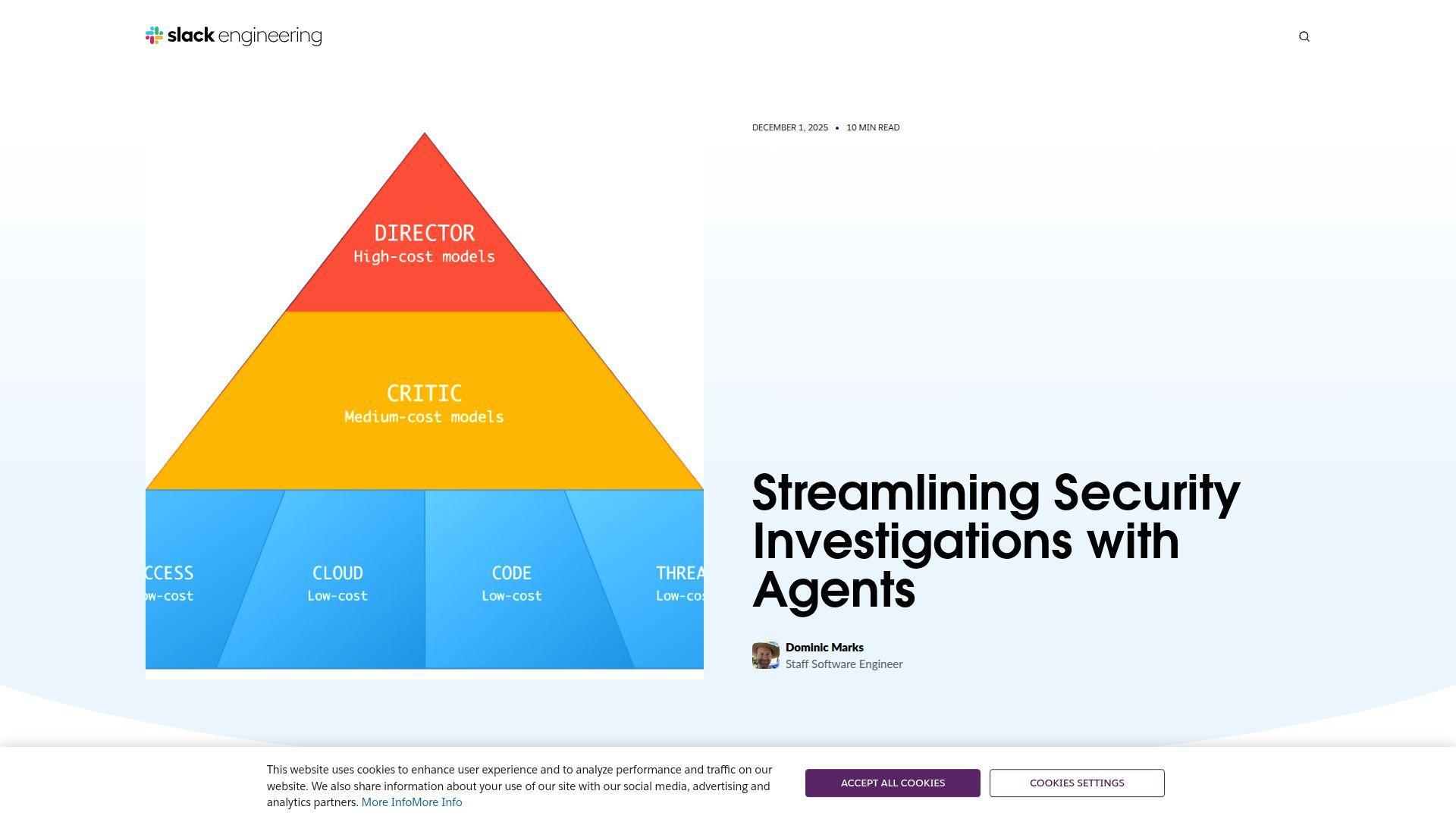
Slack Engineering documents how a collaboration product handles scale, reliability, and developer productivity. Posts often blend systems work with product considerations, like latency and user trust. The writing is generally approachable, even when the subject is deep.
Use it to learn how “small” UX details become big infrastructure choices.
Best for: full-stack engineers, and EMs improving service reliability and DX.
- Reliability and performance lessons → you reduce latency complaints with clearer tactics.
- Tooling and process stories → you save steps when standardizing incident response.
- Friendly explanations → time-to-first-value is about 20–25 minutes per article.
Pricing & limits: From $0/mo. Trial: not applicable. Limits: some technical decisions are specific to Slack’s architecture and constraints.
Honest drawbacks: Posting cadence can be irregular. Readers seeking raw code may need to look for related open-source repos elsewhere.
Verdict: If you run user-facing services, this helps you improve reliability habits over a few reads. Beats many engineering blogs at UX-awareness; trails Netflix TechBlog on breadth of infrastructure topics.
Score: 4.1/5
24. Stack Overflow Blog
The Stack Overflow Blog mixes developer culture, career topics, and software practice from the team behind the Q&A platform. Posts tend to be conversational and reflective. When it’s strong, it names problems teams feel but cannot quite phrase.
Read it to improve how you work, not just what you build.
Best for: developers leveling up careers, and engineering managers shaping healthy teams.
- Workplace and practice essays → you make better process calls with less cargo culting.
- Community-adjacent perspective → you save time by learning from shared pain points.
- Easy subscribe-and-skim flow → time-to-first-value is about 10 minutes per week.
Pricing & limits: From $0/mo. Trial: not applicable. Limits: technical deep-dives are less common than culture and workflow topics.
Honest drawbacks: If you want pure engineering architecture, you may feel underfed. Some posts can read like opinion without enough concrete steps.
Verdict: If you want better team habits, this helps you pick smarter defaults this month. Beats many tech news sites at human reality; trails engineering blogs on system-level implementation detail.
Score: 4.0/5
25. Coinbase Engineering
Coinbase Engineering shares stories from building financial infrastructure in a high-scrutiny environment. Posts can span security, reliability, data, and developer tooling. The best entries show how compliance and risk shape architecture choices.
Use it to learn how “move fast” changes when money is real.
Best for: security-minded engineers, and fintech teams hardening production systems.
- Security and reliability lessons → you improve controls without freezing delivery.
- Automation and platform patterns → you save steps when building safer release workflows.
- Clear problem-to-solution structure → time-to-first-value is about 20–30 minutes per post.
Pricing & limits: From $0/mo. Trial: not applicable. Limits: domain focus is crypto and regulated finance, which may not fit all teams.
Honest drawbacks: Some posts avoid implementation detail for security. Topic cadence can swing with market and company priorities.
Verdict: If you build regulated systems, this helps you think sharper about risk this quarter. Beats generic fintech blogs at production realism; trails Stripe Engineering on broadly applicable platform patterns.
Score: 4.0/5
26. Canva Engineering
Canva Engineering offers lessons from building a design product with heavy performance and collaboration demands. Engineers share stories about frontend speed, backend systems, and internal tooling. Posts often balance delight and discipline, which is hard to do well.
Read it to learn how polished UX gets engineered into existence.
Best for: frontend and full-stack engineers, plus product teams chasing performance wins.
- Performance and UX engineering stories → you ship smoother experiences with fewer regressions.
- Tooling and workflow improvements → you save steps in build and release routines.
- Approachable technical writing → time-to-first-value is about 20 minutes per post.
Pricing & limits: From $0/mo. Trial: not applicable. Limits: some topics are specific to Canva’s product architecture and scale.
Honest drawbacks: Deep backend details appear less often than product-facing topics. Posting frequency can be uneven across quarters.
Verdict: If you care about UX performance, this helps you find practical ideas in a single session. Beats many engineering blogs at product feel; trails Netflix TechBlog on infrastructure-heavy depth.
Score: 4.1/5
27. Algolia Blog
Algolia’s blog centers on search, relevance, and developer experience from a search tooling company. Posts often include practical guidance, patterns, and product updates. The most useful entries help you translate “search feels bad” into concrete fixes.
Use it to turn search into an intentional product, not a checkbox.
Best for: product teams improving site search, and developers implementing relevance tuning.
- Search best-practice content → you improve findability and reduce support tickets.
- Integrations and workflow examples → you save steps by following ready-made implementation paths.
- Task-focused writing → time-to-first-value is about 30 minutes for a targeted read.
Pricing & limits: From $0/mo to read. Trial: not applicable for the blog. Limits: vendor perspective can shape recommendations toward Algolia-style solutions.
Honest drawbacks: Neutral comparisons across search stacks can be limited. Advanced IR practitioners may want more research depth.
Verdict: If you need better search UX, this helps you ship relevance improvements within a sprint. Beats general web dev blogs at search specificity; trails academic sources on theory and evaluation rigor.
Score: 4.0/5
28. Asana Blog
Asana’s blog focuses on work management, team habits, and productivity narratives from a project management company. The team writes for managers and operators more than engineers. Content is usually actionable, with frameworks you can try immediately.
Read it when your work system needs a reset, not a new tool.
Best for: team leads, and ops-minded ICs improving planning and execution.
- Work-practice playbooks → you reduce chaos and missed handoffs in active projects.
- Templates and workflow ideas → you save steps when standardizing recurring processes.
- Low-friction reading flow → time-to-first-value is about 10–15 minutes per article.
Pricing & limits: From $0/mo to read. Trial: not applicable for the blog. Limits: advice can skew toward Asana-friendly workflow framing.
Honest drawbacks: Technical readers may find content too general. Some posts can feel like productivity motivation rather than hard operations detail.
Verdict: If you want better execution habits, this helps you tighten planning this month. Beats many PM blogs at clarity; trails The Pragmatic Engineer on engineering-specific management nuance.
Score: 3.9/5
29. Code as Craft
Code as Craft is Etsy’s engineering blog, focused on product engineering, reliability, and team practices. Posts often show how small changes compound into better developer experience and customer outcomes. The voice is typically pragmatic, with lessons earned in production.
Use it to learn how thoughtful teams ship steadily.
Best for: product engineers, and EMs improving shipping quality without slowing down.
- Pragmatic engineering case studies → you apply small-process wins that actually stick.
- Tooling and experimentation narratives → you save steps by copying proven rollout tactics.
- Clear storytelling and takeaways → time-to-first-value is about 20 minutes per post.
Pricing & limits: From $0/mo. Trial: not applicable. Limits: content cadence can be uneven, and topics follow Etsy’s needs.
Honest drawbacks: Some older posts can be dated in tooling references. Deep infrastructure topics may be less frequent than product-facing lessons.
Verdict: If you want sustainable delivery, this helps you improve engineering habits over a few reads. Beats many corporate blogs at humility and clarity; trails Stripe on high-stakes correctness and platform rigor.
Score: 4.1/5
30. The Pragmatic Engineer

The Pragmatic Engineer is a high-signal publication focused on software engineering, management, and industry dynamics. It’s written with an operator’s mindset and a bias toward what works in real teams. Posts tend to be fewer, longer, and more durable than news.
Use it to make better decisions, not to keep up.
Best for: senior engineers becoming tech leads, and EMs navigating org tradeoffs.
- Decision-grade essays → you choose strategies with fewer “I heard” assumptions.
- Clear mental models and checklists → you save hours by skipping scattered forum research.
- Low-noise reading experience → time-to-first-value is about 30 minutes per deep issue.
Pricing & limits: From $0/mo for free posts and newsletters; paid access is typically required for most deep dives and the full archive. Trial: not applicable. Limits: paywalled content can block teams that need shared access.
Honest drawbacks: If you want daily news, cadence will feel slow. Paid access may be a deal-breaker for casual readers.
Verdict: If you want sharper judgment, this helps you make better calls within a week of focused reading. Beats most blogs at decision usefulness; trails engineering team blogs on raw implementation details.
Score: 4.3/5
Best tech blogs for real-world engineering depth and systems thinking

1. Engineering writing that goes beyond surface-level explanations
Depth shows up in pacing. Good authors slow down at the hard part. We rely on ACM Queue when we want edited essays with fewer shortcuts. For practitioner-friendly analysis, we keep InfoQ in the mix for architecture and engineering leadership topics. When our teams argue about patterns, Martin Fowler often provides the vocabulary that unblocks a decision. Those posts age well because they focus on reasoning, not fashion.
2. Posts that document implementation details, trade-offs, and failures
We learn fastest from systems under stress. The Netflix TechBlog routinely explains design pressure from real workloads. The Cloudflare Blog is excellent when we need an internet-layer perspective with frank postmortems. For payments-grade engineering, the Stripe engineering blog tends to show careful trade-offs and operational constraints. Those stories help us coach customers on safer rollout plans. They also sharpen our own incident response instincts.
3. Well-structured long-form breakdowns that stay readable
Long-form can be a gift or a tax. We prefer posts with strong outlines, crisp summaries, and scoped detours. The Uber Engineering blog often lands well here, especially on data systems and platform evolution. Clear structure matters because teams read in fragments. A good post survives interruption and still makes sense. That is how real engineers read during a busy on-call week.
4. Engineering decisions explained in terms of business and product outcomes
Business framing does not cheapen engineering. It makes it survivable. We like the The Pragmatic Engineer because it connects org design to delivery reality. For product-driven infrastructure, Shopify Engineering is strong at tying technical bets to merchant outcomes. Those perspectives help when we advise customers on roadmap trade-offs. They also help us justify infrastructure work internally. Reliability becomes easier to fund when the narrative is concrete.
5. Scalability and performance deep dives worth revisiting
Performance work is never “done.” It simply moves. The GitHub Engineering stream is useful for platform reliability lessons with practical framing. For network-scale thinking, we still revisit Cloudflare’s archives without rereading every post. On the professional-network side, the LinkedIn Engineering blog often reveals the hidden costs of operating complex policy and trust systems. Those articles help us talk about scale without bragging. They teach the discipline behind dependable service.
6. Company engineering blogs as a window into internal processes and achievements
Company blogs show culture through the seams. Engineering at Meta is a strong window into tools, infrastructure, and large-team constraints. We also keep Etsy Code as Craft around for pragmatic product engineering and experimentation craft. On DevSecOps workflows, GitLab Engineering posts add useful detail on CI, delivery, and operational practices. For operations principles at hyperscale, the Amazon Builders’ Library remains a rare public look at “how the sausage is made.”
7. Independent voices that make hard topics feel learnable
Independents often teach the mental model, not the branded solution. Julia Evans is excellent for debugging intuition and gentle explanations. For performance and observability thinking, Brendan Gregg stays unusually practical. When we want contrarian clarity, Dan Luu is a useful corrective. For curated scale stories, High Scalability helps us spot recurring patterns across companies. For reliability research with teeth, Jepsen keeps us honest about consistency claims.
8. Depth signals to look for: strong visuals, careful walkthroughs, and detailed footnotes
Depth has tells. Visuals should explain, not decorate. Walkthroughs should show decision points, not just end states. Footnotes and references suggest the author tested ideas against reality. We also look for explicit constraints and “what we would change next time.” That line separates a case study from a victory lap. In our experience, good posts invite replication and criticism.
Best tech blogs for startup news, product launches, and tech culture

1. Startup ecosystem coverage: launches, funding, and market moves
Startup news is useful when it changes what builders can buy. We follow TechCrunch for fast signals on launches, acquisitions, and platform shifts. The best reading habit here is selective. Not every funding story matters for engineering. Still, these stories help us anticipate which tools will show up in customer stacks. That foresight shapes our support playbooks.
2. Trend tracking across AI, AR/VR, 5G, and emerging technologies
Trend tracking is about timing, not hype. We ask whether a trend changes developer workflows this quarter. Then we ask whether it changes budgets next quarter. Useful coverage links tech shifts to supply chains, regulation, or platform policy. Weak coverage repeats press releases. Our internal rule is simple: if it cannot affect architecture decisions, it is background noise. Curiosity is good, but focus keeps teams sane.
3. Consumer-tech reporting: gadgets, reviews, and buying guidance
Consumer-tech coverage matters more than engineers admit. Device constraints become product constraints. We use Ars Technica when we want reporting that respects technical detail. For product storytelling and platform shifts, The Verge helps us understand how users will perceive change. Those perspectives matter for performance budgets and accessibility decisions. They also affect support, because customer expectations rarely come from RFCs.
4. Digital culture and entertainment through a tech lens
Culture coverage can look soft, but it shapes trust. It affects how people interpret outages, breaches, and AI features. We include Wired because it often connects technology to human incentives. That context helps when we advise customers on transparency during incidents. It also helps us evaluate “privacy theater” versus real controls. Engineering is social, even when it pretends not to be.
5. Tech policy and politics coverage when it impacts the industry
Policy becomes architecture when it changes data boundaries. Procurement rules can force deployment models overnight. Cross-border concerns affect logs, backups, and vendor choices. We watch policy coverage for concrete obligations, not hot takes. Good reporting names agencies, enforcement patterns, and likely timelines. When policy is vague, we treat it as a risk register item. That posture prevents panic later.
6. Community-style news formats that surface what readers consider important
Community ranking is an imperfect filter, yet it is efficient. We monitor Hacker News to see what engineers debate in real time. The comments can reveal sharp edge cases quickly. A strong thread often points to primary sources. A weak thread devolves into vibes. We skim first, then open only what survives our own skepticism.
7. Creating a “scan first, deep read later” workflow for fast-moving headlines
Scanning is a skill. We keep a small daily window for headlines, then stop. Anything that matters goes into a “deep read” queue for calmer time. That separation prevents doom-scrolling. It also protects deep work. A useful trick is to save articles with a note about why they matter. Later, the note becomes a decision record.
Best tech blogs for web development, front-end, and developer workflow
1. Community publishing platforms that encourage learning in public
Learning in public reduces fear. It also accelerates feedback. We like DEV Community because it surfaces practical stories from working developers. The best posts are specific about constraints and outcomes. The worst posts are SEO bait, so filtering matters. Still, community writing helps junior engineers grow quickly. It also exposes tool pain before vendors admit it.
2. Front-end and CSS learning hubs for practical implementation
Front-end work is systems work in disguise. Rendering, caching, and accessibility all have performance consequences. CSS-Tricks is a steady source of practical patterns and explanations. For deeper design-to-implementation craft, Smashing Magazine often bridges UX intent with technical reality. We use these posts when customers ask why “simple” pages are slow. The answers are rarely simple.
3. Web development best practices for performance, safety, and accessibility
Best practices should feel like guardrails, not commandments. We keep web.dev in our rotation because it focuses on measurable outcomes. Performance guidance is especially valuable when tied to real user experience. Accessibility content also helps teams ship responsibly. Security basics matter here, because browsers are hostile environments. A small checklist can prevent large regret.
4. Developer workflow posts that help you integrate new tools into daily work
Workflow is where tooling becomes culture. The best workflow posts show how teams adopt change without breaking delivery. We look for discussions of migration strategy, rollout plans, and rollback paths. Strong posts also mention team habits, not just tools. That matters because habits determine whether tools stick. At 1Byte, we map workflow advice to support needs and onboarding scripts. Reading becomes operational leverage.
5. Developer Q&A plus editorial insight for broader context
Q&A is where real confusion shows up. Editorial writing is where patterns get named. The Stack Overflow Blog often connects developer sentiment to practical trends. We use it to understand what developers struggle with right now. Those struggles shape documentation and support load. Good context also prevents overreacting to loud minority opinions. In other words, it helps us calibrate.
6. Humor and “what not to do” stories to spot anti-patterns early
Humor can teach faster than lectures. “What not to do” stories build threat models for the everyday. We encourage teams to collect small anti-patterns they see in reviews. Later, those become lint rules, templates, or guardrails. The trick is to mock the pattern, not the person. Healthy teams laugh, then fix the root cause. A good blog post can make that lesson memorable.
7. When to prioritize learning platforms first before relying on best tech blogs
Blogs are uneven by design. Learning platforms are structured and progressive. When someone is new to a domain, structure usually wins. Blogs become more useful after the basics are in place. We often pair a structured course with a few trusted blogs. That pairing prevents shallow understanding. It also reduces the temptation to copy code blindly.
How to keep up with the best tech blogs without information overload

1. Start with two to three best tech blogs that match your current level and goals
More feeds do not mean more learning. A small set helps you build continuity. Continuity is where mental models form. Choose blogs that match today’s work, not an imagined future role. Then reread old posts when problems repeat. Repetition is not failure, it is reinforcement. Our teams keep a short “core shelf” for this reason.
2. Follow RSS feeds and newsletters instead of trying to read everything
Subscription beats searching. RSS and newsletters turn discovery into a steady stream. That steadiness reduces context switching. It also makes reading a habit, not a scavenger hunt. We recommend separating “must read” from “nice to read.” That separation prevents guilt. Guilt is an enemy of sustainable learning.
3. Use Feedly to manage multiple best tech blogs in one place
A single inbox for reading helps focus. Feedly is useful because it centralizes feeds and supports tagging. Tags are a quiet superpower for future retrieval. We tag posts by problem type, not by technology name. Problem tags stay stable even when tools change. That makes the archive valuable later. A good reader tool becomes a personal knowledge base.
4. Filter by tags on community sites so you only see relevant posts
Filtering is not censorship, it is strategy. Tag filters reduce noise on community platforms. They also keep you from confusing popularity with relevance. We filter for topics that map to current priorities, like reliability or cost control. When priorities shift, filters shift too. That keeps the feed aligned with real work. Otherwise, reading becomes procrastination with better branding.
5. Build a daily 15–20 minute reading habit instead of marathon sessions
Consistency beats intensity. Short daily reading prevents backlog anxiety. It also keeps you in contact with evolving vocabulary. Marathon sessions often collapse into skimming. Skimming is fine for news, not for depth. We prefer small chunks with notes. Notes turn reading into future action.
6. Use curated “awesome” lists and bookmarking hubs to discover new blogs
Curated lists are good for exploration days. We use them when a new project demands a new domain. The trick is to treat discovery as a separate activity. If discovery happens every day, it becomes distraction. We set a cadence for exploration and keep it bounded. Then we add only a few new feeds at a time. That reduces churn and keeps attention intact.
7. Save, organize, and share your best reads to reinforce learning
Sharing forces comprehension. When we share a post internally, we add a summary and a reason. That reason becomes the important part. It anchors the post to a real decision or risk. Over time, shared summaries become institutional memory. This practice also exposes disagreement early. Disagreement is useful when it stays respectful and specific.
8. Refresh your reading list regularly as information becomes obsolete over time
Pruning is maintenance. We drop feeds that drift into marketing or repetition. We also add feeds when our customer base shifts. A new compliance demand can change what we read. An adoption wave can change which tooling matters. Reading lists should respond to reality. Otherwise, they become nostalgia collections.
9. Mix quick scans with occasional deep dives for sustainable learning
Scanning keeps you aware. Deep dives make you competent. The pairing prevents both ignorance and burnout. We schedule deep dives around upcoming work, like migrations or audits. That makes reading feel immediately useful. It also builds confidence before high-stakes changes. A single deep article can replace several shallow ones.
1Byte: Cloud hosting and infrastructure support for launching a tech blog
1. Domain registration and SSL certificates to secure your tech blog’s identity
A tech blog is a product surface. It deserves the same identity hygiene as an API. At 1Byte, we start with domain ownership and clear DNS control. SSL is non-negotiable because trust is fragile. Many teams use Let’s Encrypt for certificate automation, and we support that flow. Good certificate automation reduces outage risk during renewals. Secure defaults also protect your readers from tampering.
2. WordPress hosting to publish consistently and manage content efficiently
Publishing needs to be boring. When the platform is stable, writers write. For many teams, WordPress remains a practical choice because it is flexible and familiar. We focus on performance basics, like caching and image discipline. We also encourage strong editorial workflows, including draft reviews. A blog without review becomes inconsistent quickly. Consistency is how you earn repeat readers.





3. Shared hosting, cloud hosting, and cloud servers backed by 1Byte as an AWS Partner
Different blogs have different traffic shapes. Shared hosting can work for early-stage sites with predictable load. Cloud hosting fits teams that expect spikes from social sharing or launches. Cloud servers make sense when you want custom stacks and tight control. As an AWS Partner Network participant, we design deployments that align with cloud operational patterns. The goal is simple: keep publishing available during your biggest moments. If you are ready to launch, the next step is choosing a stack and setting an editorial cadence.
Now that we have a reading list and a publishing path, which blogs will we follow first, and what problem will we solve sooner because of it?